
Create a Productive Planning Space with Modern AV Technology

Blending Physical & Digital Planning for a More Productive Space
Planning has always started on paper. A notebook, a planner, a pen you genuinely enjoy using — these are the tools that help ideas take shape.
But for many of us today, planning doesn't end there.
Our handwritten goals often turn into presentations, lessons, workshops, vision boards, or collaborative projects that live beyond the page.
The challenge is learning how to move from quiet, reflective planning into focused execution without losing clarity or calm. That's where your physical environment — and the technology within it — begins to matter more than you might expect.
A productive planning space isn't about filling your desk with screens or chasing the latest gadgets. It's about supporting focus, intention, and flow. When modern AV (audio-visual) tools are used thoughtfully, they can help bridge the gap between planning and presenting while keeping your space grounded and purposeful.
Why Your Environment Shapes How You Plan
Planning is deeply connected to how safe, focused, and comfortable you feel in a space. Cluttered rooms, tangled cables, harsh lighting, or distracting noise can pull attention away from the work that actually matters.
A well-designed planning environment helps your brain shift between modes — reflection, organization, creativity, and communication. When your tools work smoothly, you don't have to fight your setup to get things done. Instead, your space becomes an extension of your planning process.
This is especially important for people who move between journaling, digital planning, teaching, content creation, or leading meetings. The goal isn't to replace paper planning, but to support what comes next.
The Transition From Planning To Doing
Many planners experience a disconnect between the ideas they map out and how those ideas are shared or executed. You might have a beautifully organized planner, but feel overwhelmed when it's time to present a concept, teach a lesson, or collaborate with others.
Modern AV tools help close this gap. Clear displays, reliable audio, and simple control systems allow you to move from your notebook to a screen without stress.
When technology works quietly in the background, you stay focused on your message instead of troubleshooting cables or sound issues.
This transition matters whether you're:
Sharing a project outline with a team
Teaching from a home studio or classroom
Recording content based on your planning sessions
Hosting workshops or creative sessions
The smoother the transition, the more confident and present you feel.
Designing A Space That Supports Focus
Focus-friendly planning spaces prioritize simplicity. That doesn't mean minimalism for the sake of aesthetics, but intentional choices that reduce friction.
Start by asking how you use the space.
Do you need to switch between writing and presenting?
Do you review digital materials alongside handwritten notes?
Do you collaborate remotely?
Thoughtful AV design supports these needs without overwhelming the room. Clean cable management, intuitive controls, and reliable connections all contribute to mental clarity.
When you don't have to think about the technology, you have more energy for planning and execution.
Sound also plays a major role. Poor audio can be surprisingly draining, especially during long sessions or collaborative calls. Clear, balanced sound reduces fatigue and helps maintain focus throughout the day.

When Technology Becomes A Planning Tool
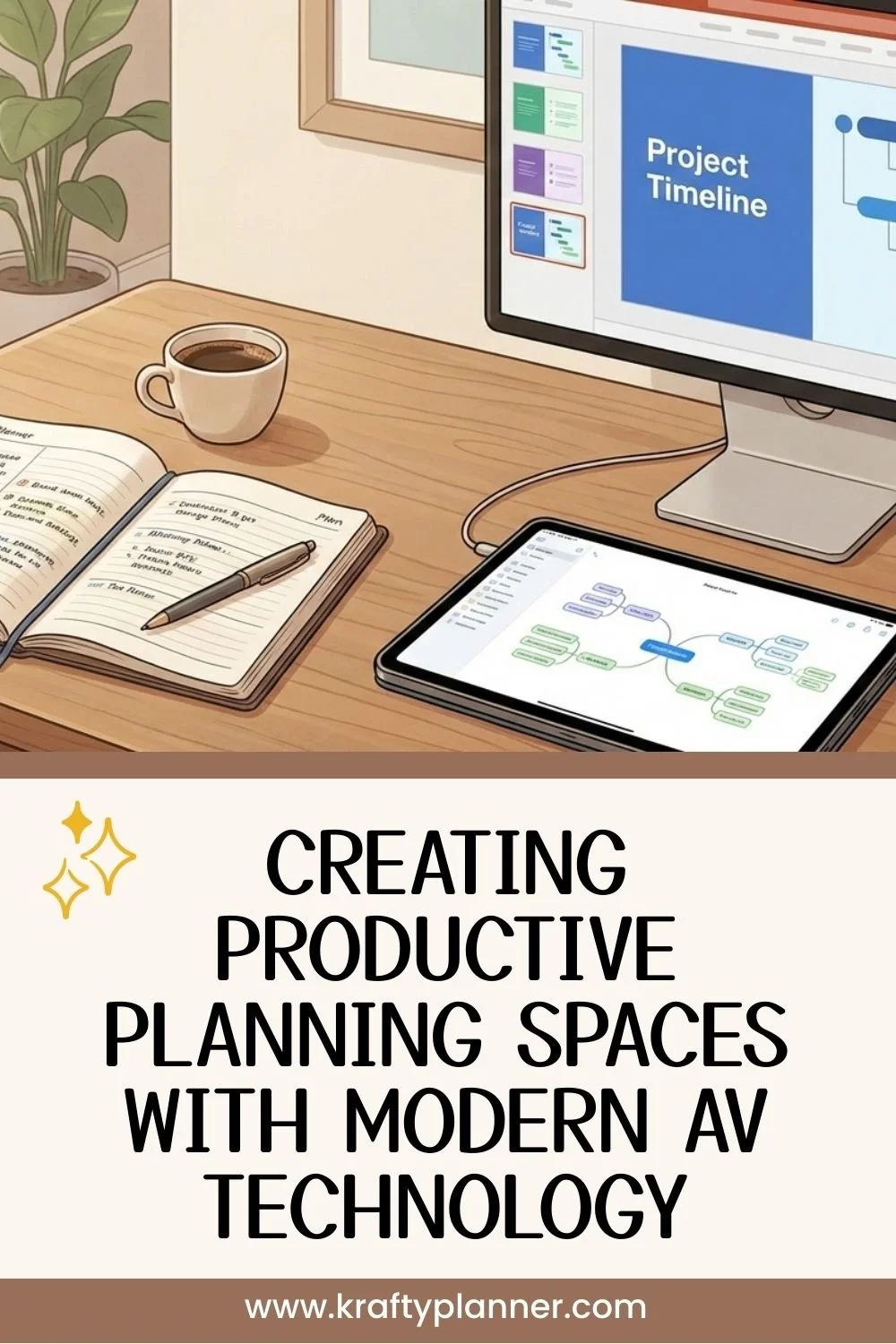
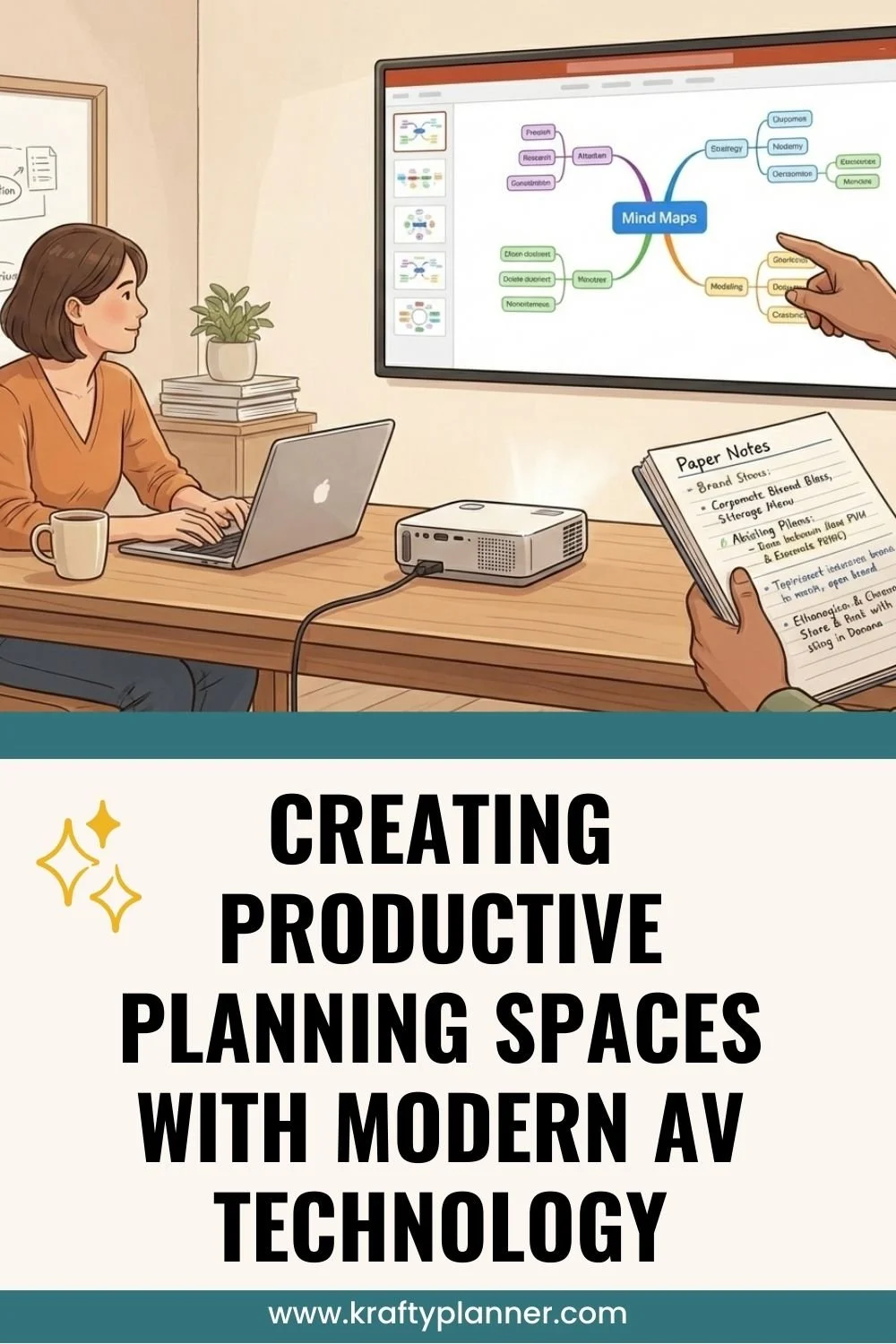
Technology often gets framed as a distraction, but when used intentionally, it can enhance planning rather than disrupt it. Screens can help visualize timelines, mind maps, or mood boards. Audio systems can support guided planning sessions, focus music, or recorded reflections.
The key is choosing tools that serve a purpose instead of demanding attention. Professional-grade AV systems are designed to be stable, consistent, and unobtrusive — qualities that align surprisingly well with the values of effective planning.
Some planners and educators work with professional AV suppliers like https://creationnetworks.net/ to source reliable Extron solutions for studios, classrooms, and workspaces where focus and clarity matter more than flashy features.
In these environments, the technology exists to support thinking, not interrupt it.
Creating A Space That Grows With You
Planning spaces evolve. What starts as a journaling corner may grow into a teaching area, a creative studio, or a collaborative workspace. Designing with flexibility in mind allows your environment to adapt as your goals change.
Modular AV setups, scalable systems, and simple interfaces help future-proof your space. Instead of constantly reworking your setup, you can adjust how you use it. This reduces stress and keeps your planning practice sustainable over time.
It also reinforces a powerful mindset shift: your environment isn't static. It grows alongside your ideas.
Balancing Analog And Digital Planning
One of the most productive approaches to planning blends analog and digital tools. Writing by hand encourages reflection and memory, while digital systems support organization, sharing, and presentation.
Modern AV technology sits at the intersection of these worlds. It allows you to honor the slow, thoughtful pace of journaling while making it easier to bring those ideas into action.
Whether you're reviewing notes on a screen or presenting a carefully planned concept, the transition feels natural rather than jarring.
This balance helps prevent burnout. You're not abandoning the grounding aspects of paper planning, nor are you limiting yourself when it's time to communicate or collaborate.
Productivity Without Overstimulation
A common fear around adding technology to planning spaces is overstimulation. Notifications, noise, and visual clutter can quickly undo the benefits of a well-structured plan.
The solution isn't avoiding technology entirely — it's choosing systems designed for professional environments that prioritize stability and clarity. Thoughtful AV design emphasizes calm functionality over constant engagement.
When technology fades into the background, your mind stays present. You remain in control of how and when tools are used, instead of reacting to them.
Turning Intentions Into Outcomes
At its core, planning is about turning intentions into outcomes. A supportive environment makes this process feel lighter and more achievable.
By combining paper planning with intentional space design and modern AV tools, you create a workflow that supports every stage of the process — from reflection to execution.
The result isn't just better productivity, but a deeper sense of alignment between what you plan and what you deliver.
Your planner may still be the heart of your system, but when your space works with you, your ideas are far more likely to move confidently from paper to presentation.
Before you go:
You might also be interested in…
FOR PERSONAL USE ONLY – Please Read Freebies Terms of Use
(This post may contain affiliate links. For more information, see my disclosures here.)
~ SHARE THIS POST ~
Did you like this post? Do you know someone else who might enjoy it? Please take a minute to share it on Pinterest, Facebook, or your favorite social media… Thank you!












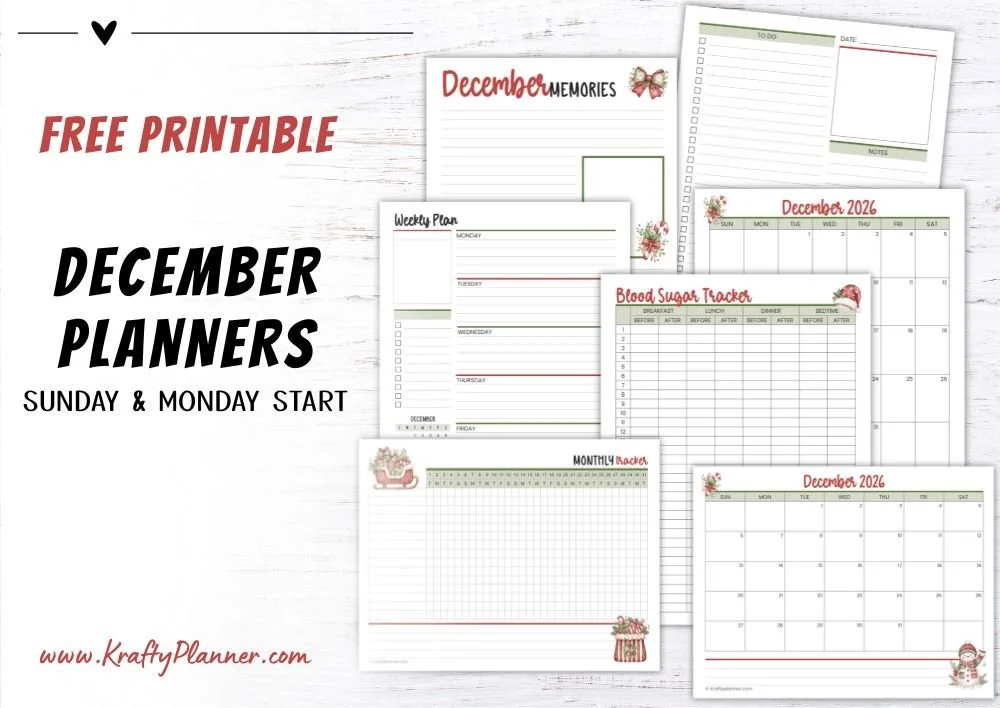


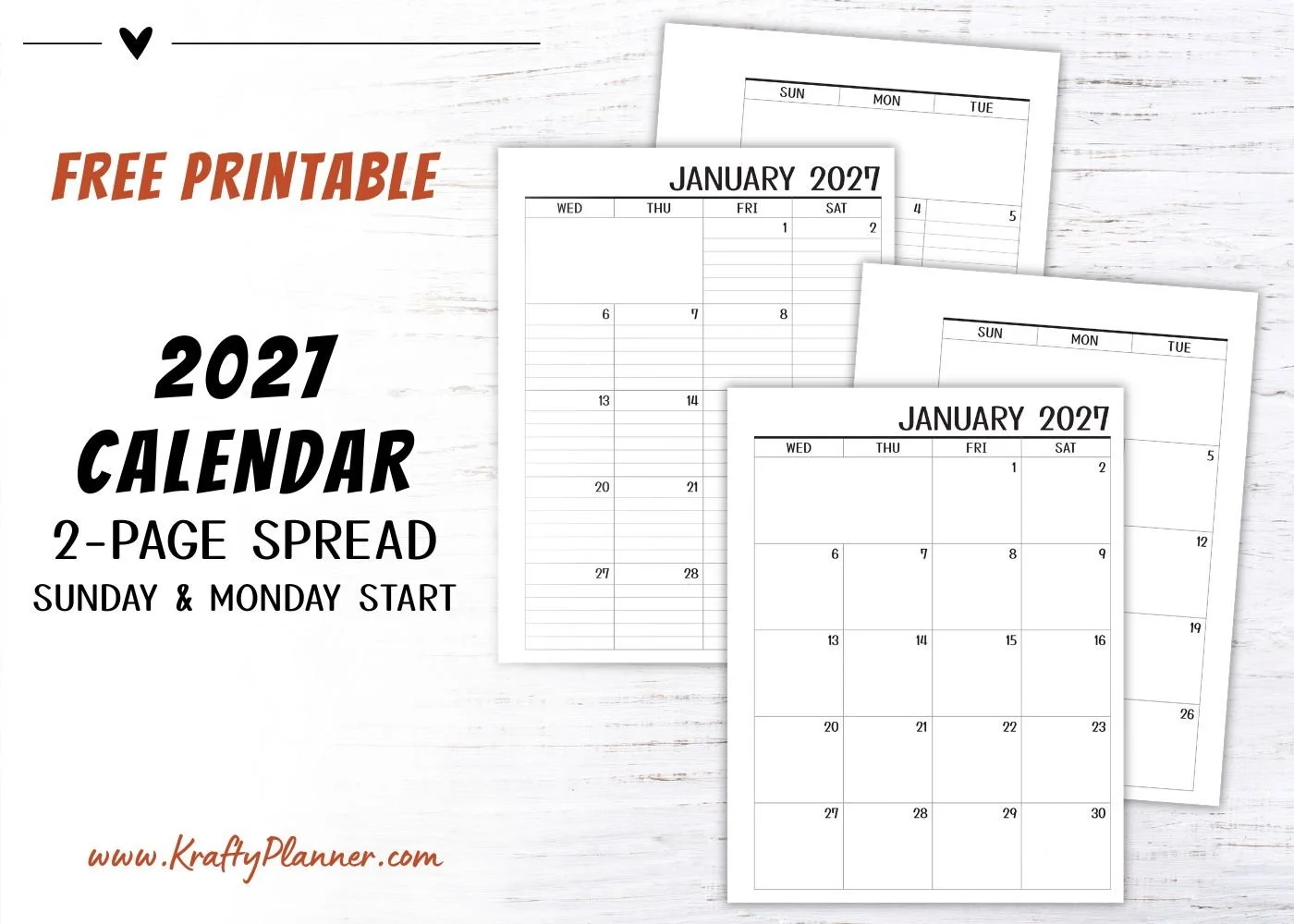



Download free December 2026 planner printables, including calendars, weekly and daily pages, a habit tracker, and more to stay organized all month long.