
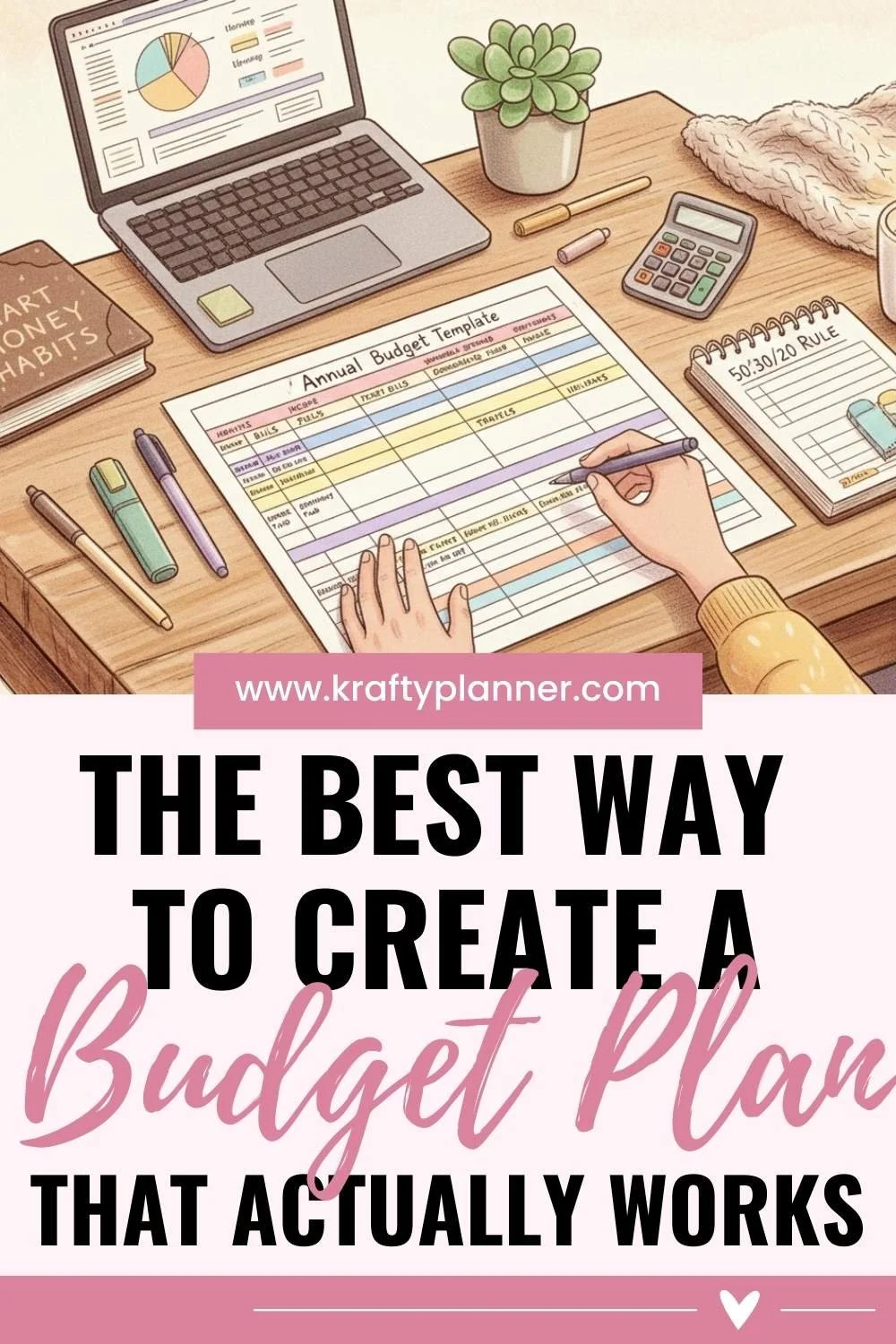
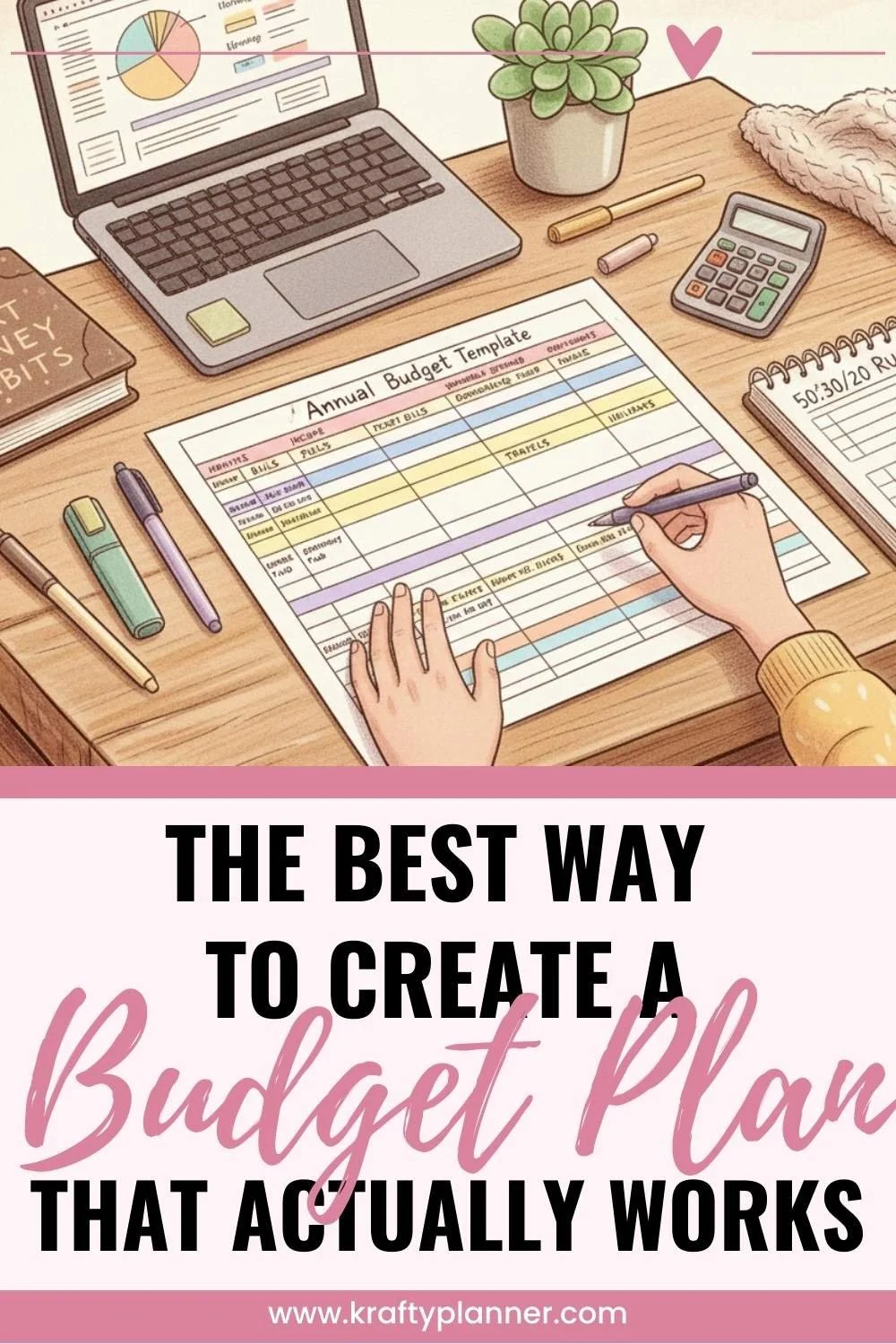
The Best Way to Create a Budget Plan That Actually Works

A yearly budget plan that works is simple, realistic, and a great way to survive emergencies, irregular expenses, and real-life disruptions. By doing so, it should lower your anxiety, not make you feel punished for each of your spending choices. So, let’s see how you can achieve this through a few straightforward steps.
Step 1: Analyze Your Past Expenses
If you’re doing budgeting for beginners, you should always look back before planning ahead. That said, start by analyzing your income sources and spending in the last 12 months. To do this, you can:
Add Up All Income Sources (if more), such as salary, part-time jobs, benefits, etc.
List your fixed bills, like rent, mortgage, insurance, loan payments, subscriptions, and more.
Write down your variable spending, which includes groceries, eating out, gas, hobbies, or shopping.
Note any unexpected spending, like car repairs, medical bills, gifts, vacations, and more.
This will be your foundation of personal finance planning, as it shows where your money already goes. As a result, you can easily see where you can make minor changes and free up some cash.
Step 2: Pick a Budget Template
While you’re still learning how to budget your money, the last thing you need is a confusing system that you’ll ditch within a week. Start by using the 50/30/20 rule that works well for many people:
Plan 50% of your income for necessities, like housing, groceries, utilities, and debt payments.
30% use for your wants, such as meals in restaurants, going out, shopping, etc.
Lastly, save 20% for your future, which may include investments, extra debt payments, or other savings.
You can add more realistic budgeting tips, like setting spending ranges, once you see how this structure works. The only thing is to remain consistent.
Step 3: Don’t Plan Month-by-Month
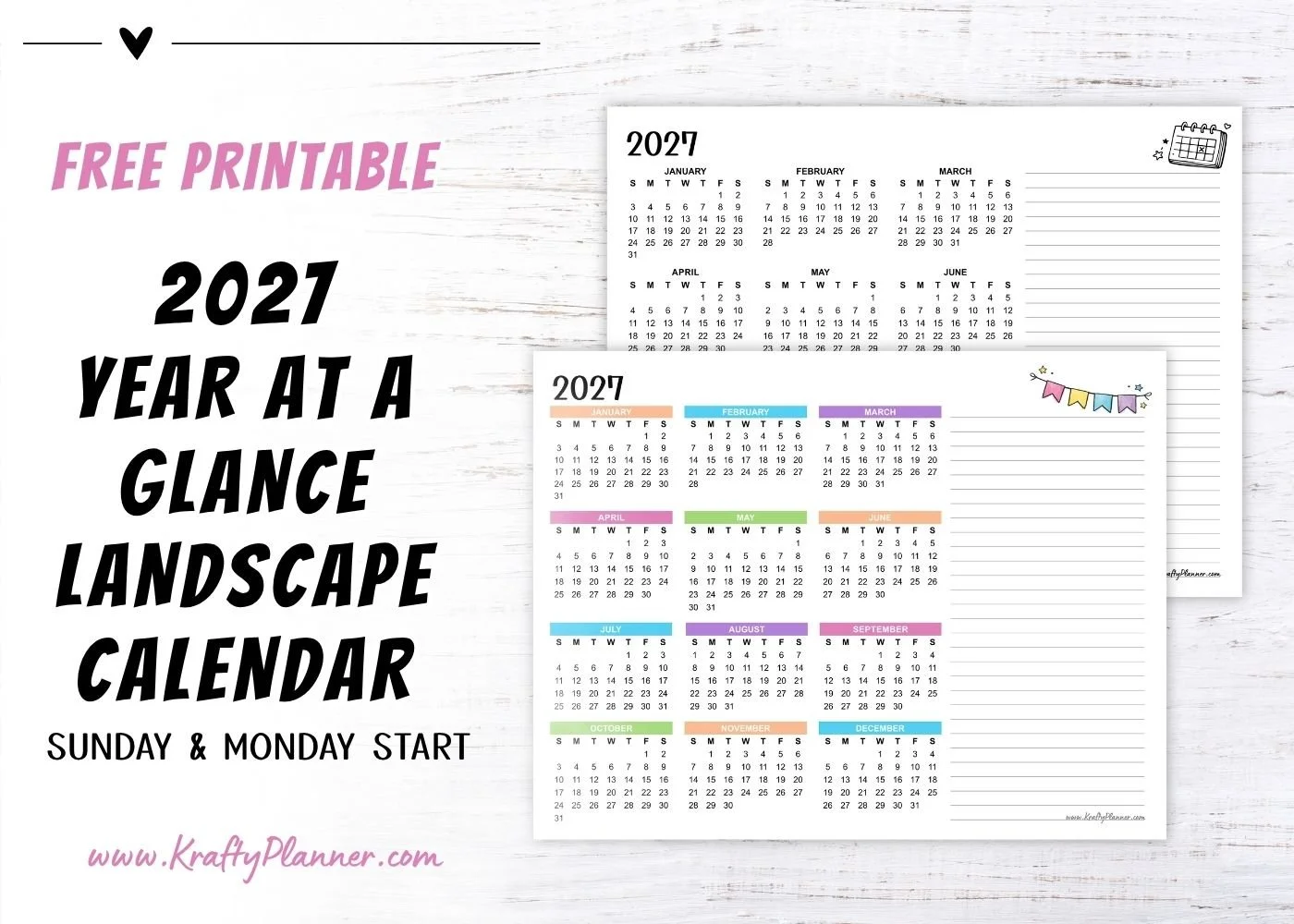
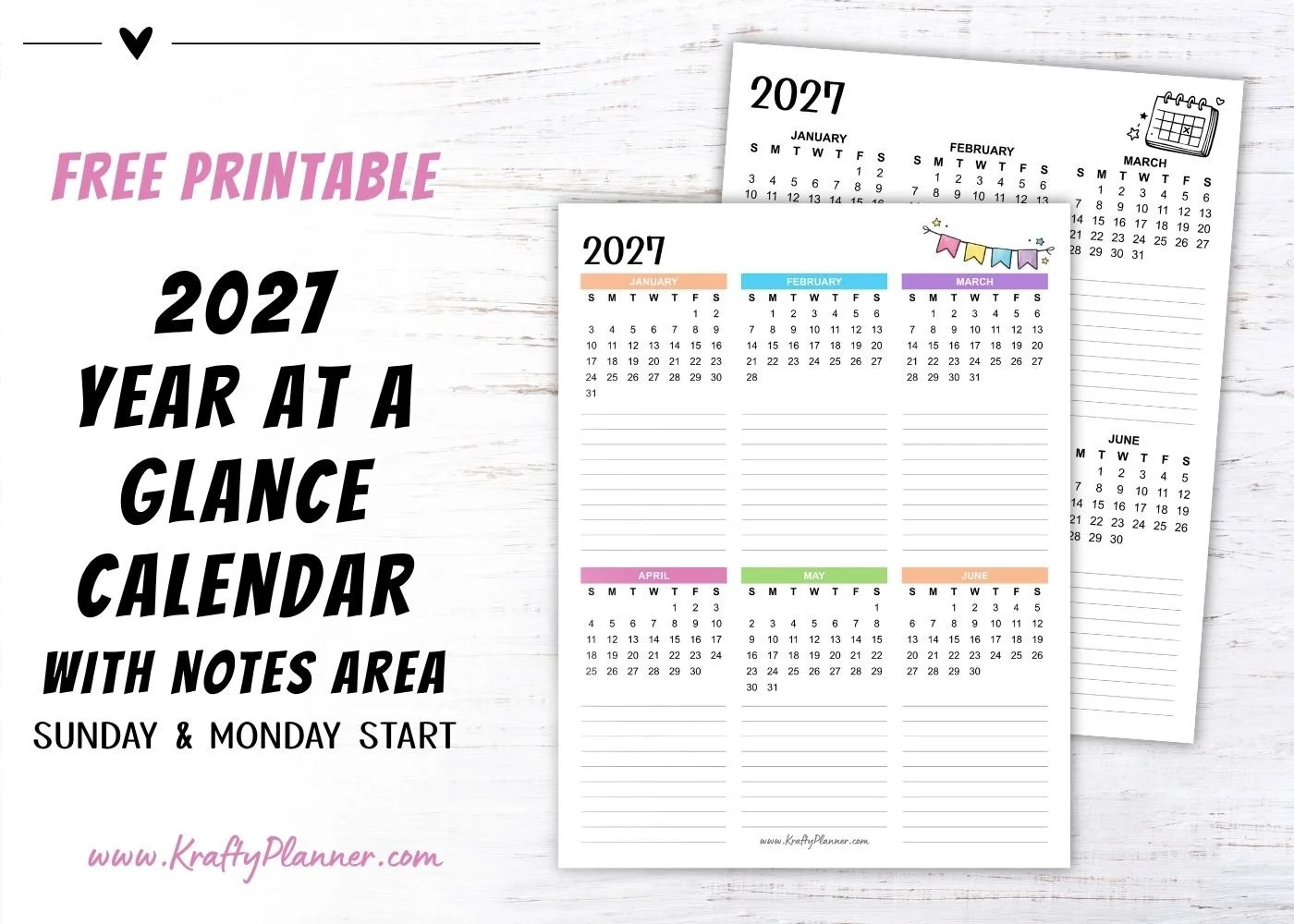
While you need calculations on a monthly level, don’t wait until a certain month arrives for you to make a spending plan. Map the whole year to avoid any surprises.
First of all, highlight your biggest expenses, like:
Insurance renewals
Car service
Holidays
Birthday
Travels
Once you do this, estimate the costs and divide them by 12 to get an approximate monthly amount. Then, you can group your cash in categories like car fund, travel fund, holiday fund, etc.
By utilizing an approach like this, your chaotic and stressful bills will turn into predictable monthly expense tracking targets. So, December, vacation season, or renewal months won’t mess up your plan anymore.

Step 4: Build a Realistic Emergency Safety Net
A strong financial safety net is crucial for keeping one bad month from damaging your whole year of solid habits. Imagine what would happen if medical bills, temporary job loss, emergency travel, or other problems pile up at the same time. In the beginning, it can only be one month of essential expenses, but this can slowly build to longer periods of 3-6 months.
Thus, emergency fund planning will act as your cushion. More precisely, this will prevent you from relying on high-interest credit when timing and cash flow don’t work together. So, you should treat emergency savings like a bill you pay to yourself every month. Still, if there’s a gap despite all the planning, you can check out services like 300 Cash Loans to rebuild your fund and adjust your budget.
Moreover, if you’re dealing with bad credit, it’s even more important to avoid last-minute borrowing that can only push you deeper into debt. In this situation, you may be targeted with online ads about easy and quick loans with no credit check, instant payments, or even guaranteed approval. While they exist, make sure you consider them carefully because interest rates can vary.
Step 5: Adjust Your Plan Regularly
Probably your goal is budgeting without stress. Therefore, you should frequently review your plan to ensure it aligns with your current situation at all times. For example, you can:
Check your spending once a month, upgrade categories, and highlight any progress.
Adjust your income, rent, or goal changes a few times a year (if any).
Celebrate milestones like achieving a savings target, paying off a loan, or getting through a month without going into debt.
Although these are just small steps, they add up over time and contribute to your financial stability, less stress about money, and building a plan that supports the life you desire.
Final Thoughts
One thing you should remember about having an annual budget plan is that it’s not about perfection but consistent progress. When you plan for unexpected costs, build an emergency fund, and set clear goals, money doesn’t feel scary at all. And just like interest rates compound, so do your habits. So, once you see your budget as a supportive tool for your life, the stress will immediately drop.
Before you go:
You might also be interested in…
FOR PERSONAL USE ONLY – Please Read Freebies Terms of Use
(This post may contain affiliate links. For more information, see my disclosures here.)
~ SHARE THIS POST ~

Did you like this post? Do you know someone else who might enjoy it? Please take a minute to share it on Pinterest, Facebook, or your favorite social media… Thank you!










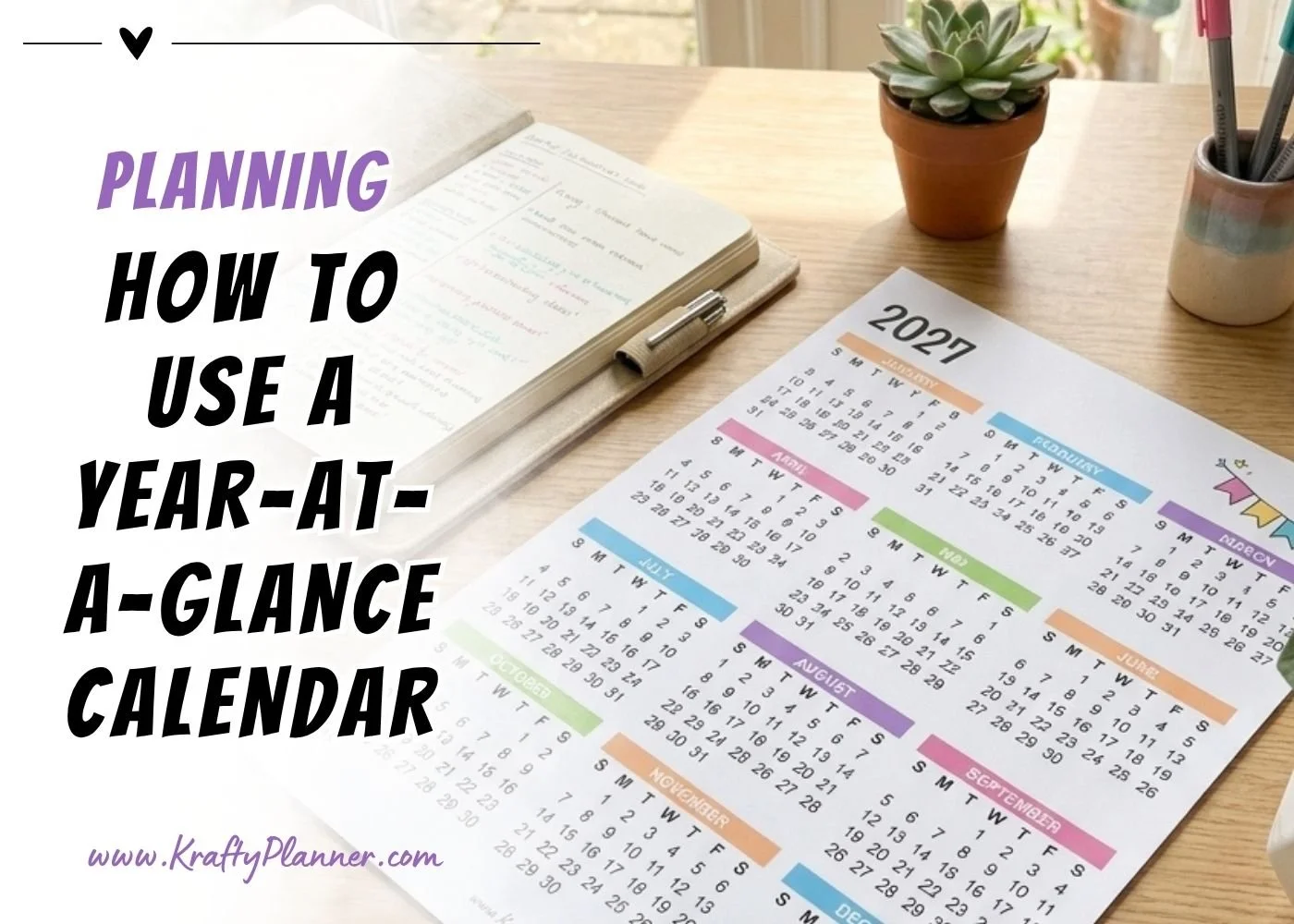


Planning your year as a caregiver? Learn how to organize caregiving expenses, appointments, routines, and respite while protecting your budget and energy.