
How to Clean Outdoor Rugs at Home (2026 Edition)
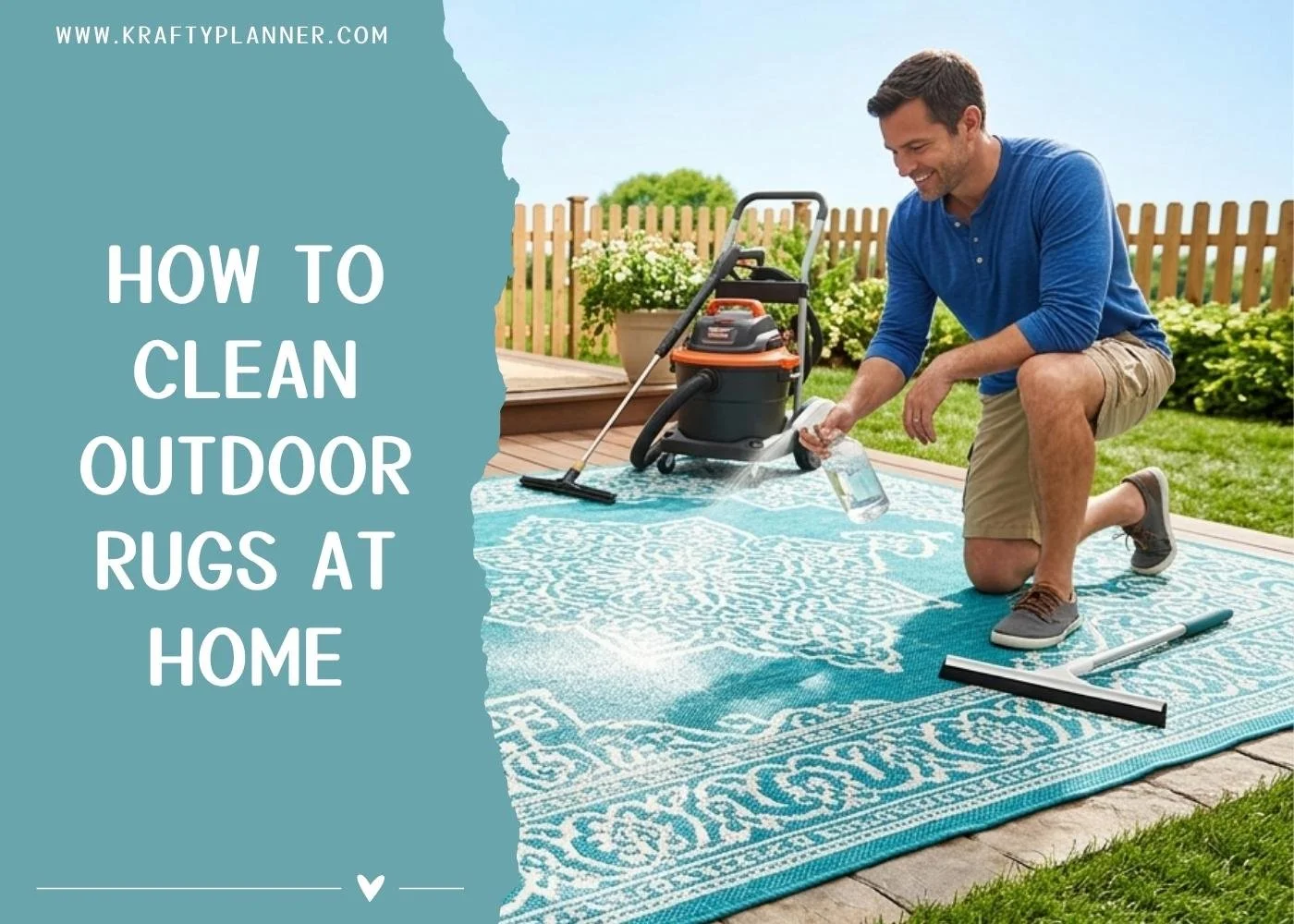
Outdoor rugs get dirty fast. Rain hits them, mud gets in, pets walk on them, drinks spill, and after a few weeks, they start looking and smelling bad. Most people just throw some water on the rug and think that is enough. But it is not. The dirt goes deeper than you think and water alone does not always fix it. Let me tell you what you need to do to actually get your outdoor rug clean and keep it that way.
Check the Back of Your Rug Before You Do Anything
Most people never look at the back of their rug. Flip it over and touch it. If it feels wet or you see dark spots on it, that means mold has already started growing from underneath. Do not clean it yet.
Just leave it in the sun until the back is fully dry. If you clean a rug that is still wet underneath, the mold goes deeper in and gets harder to remove. This takes two minutes and saves you a big headache later.
Start Dry Before You Use Any Water
Most people make the same mistake. They go straight to water and soap without doing anything first. Do not do that.
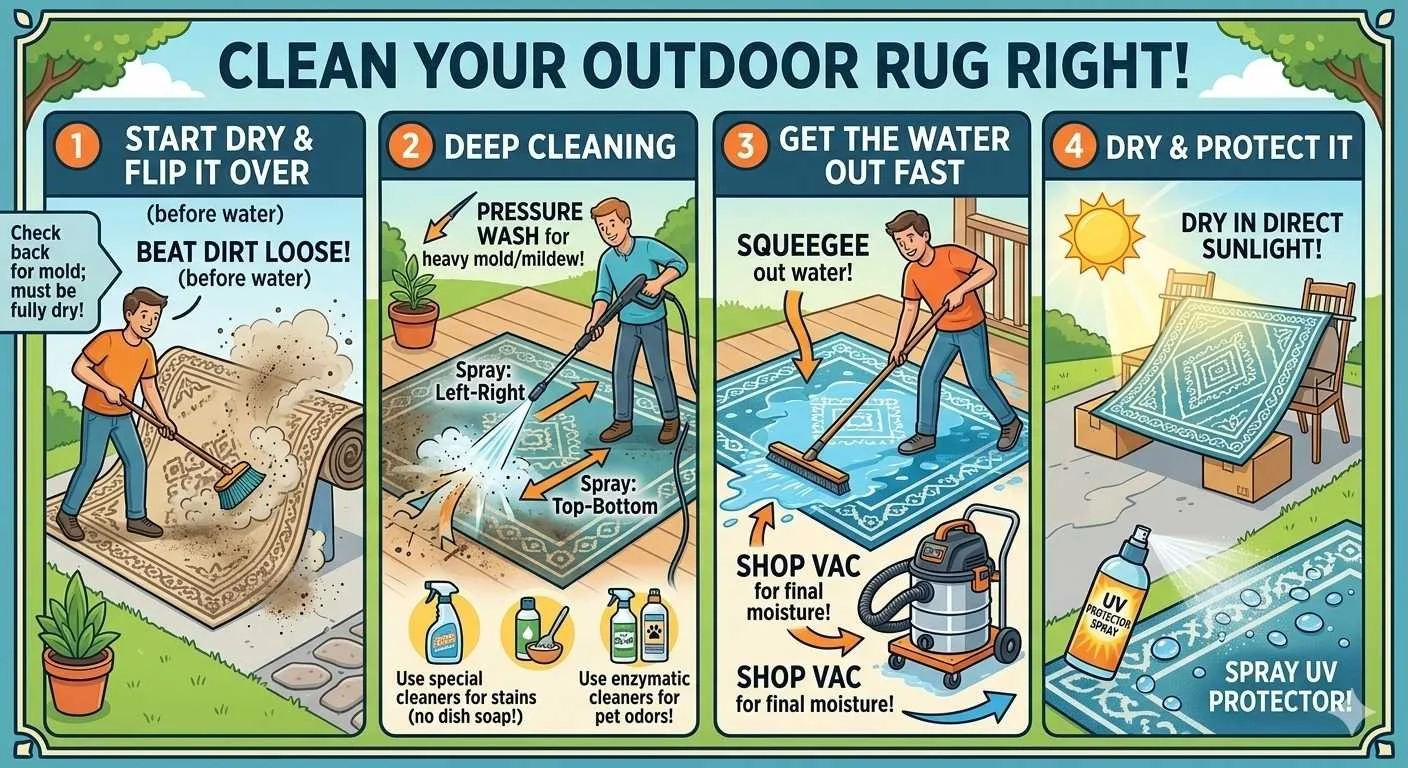
Take the rug and flip it upside down. Then hit the back of it hard with a broom or a stick. Do this several times all over the rug. When you hit the back of the rug, it bends and flexes, and that shakes loose all the dirt and grit that has packed itself deep into the fibers.
A vacuum cannot reach that dirt. Beating the back of the rug is the only way to get it out. After you do this, you will be surprised by how much dust and dirt fall out.
This matters even more if you have a well-made rug with a tight, dense weave. Rugs from brands like Dash and Albert, for example, tend to have thicker fiber construction, which means dirt packs in more deeply and needs this step more than a cheap, thin rug would.
Washing a Rug With Heavy Mold or Mildew
If your rug was outside all winter or it has been sitting in the rain for a long time, it probably has mold or mildew on it. The best tool for this is a pressure washer.
You do not even need soap for mold. The pressure of the water is strong enough to blast it off. Just spray the rug going left to right and then spray it again going top to bottom. Doing it both ways makes sure the water gets into the fibers from every angle and cleans more deeply.
If you do not have a pressure washer at home, take the rug to a self-service car wash. Use the high-pressure wand to spray it, and use the foam brush that is meant for washing car tires to scrub the fibers. It works just as well, and it only costs a little money.
Cleaning Stains Like Wine, Ketchup, or Crayon
For bad stains that do not come out with just water, you need a cleaning solution. But you have to be careful about which one you use.
Do not use normal dish soap or heavy sudsy detergent. This is very important. When soap is not rinsed out completely, it leaves a sticky layer on the rug and that layer pulls in more dirt.
So the rug actually gets dirtier faster after you clean it. That is the opposite of what you want.
For very dirty rugs with greasy buildup, add half a cup of ammonia to your carpet cleaning solution. Ammonia breaks down grease and oil very well. Always do this outside where there is fresh air.
For tough stains, you can also use water mixed with non-chlorine bleach. Put it on the stain with a soft brush or sponge and scrub gently before rinsing.
There is also a product called Spray Nine that professional cleaners use. It is sold in hardware stores. Lay the rug flat and cover it with Spray Nine. Let it sit for a few minutes then scrub it with a stiff broom and rinse it off with a hose. It works very well on outdoor rugs.
Getting Rid of Pet Smells and Bad Odors
Normal soap does not work on pet smells. If your rug has a bad smell from a pet accident or from sitting in damp conditions for a long time, you need something called an enzymatic cleaner.
Products like Nature's Miracle or Urine B Gone are enzymatic cleaners. They do not just cover the smell. They break down the thing that is causing the smell.
Pour the enzymatic cleaner on the rug without mixing it with water. Let it sit for 15 to 30 minutes. Do not rush this part. The time it sits is what actually does the work. Then rinse it off.
If the rug still smells after that, spray it with an acid-based deodorizer. Some smells, especially from pet oils, are alkaline, which means an acid spray cancels them out. This is the step most people never try, and it is often what finally removes the last bit of smell.
Cleaning Jute or Natural Fiber Rugs
Jute rugs and other natural fiber rugs need to be treated differently. Do not soak them in a lot of water. Too much water breaks down the fibers and causes mold to grow very quickly.
For these rugs, sprinkle baking soda on the surface and leave it for 20 minutes. Baking soda soaks up oils and bad smells without using any liquid. Then vacuum it up.
If you have to use liquid, use as little as possible and dry it immediately with a hairdryer on a low setting. Do not let the air dry on its own, especially in humid weather. Natural fiber rugs can start growing mold faster than you would expect.
Getting the Water Out After Washing
This part is very important, and most people do not pay enough attention to it.
If a rug stays too wet for too long, something called wicking happens. Wicking is when water moves upward through the bottom of the rug as it dries and brings all the dissolved dirt with it. The dirt gets deposited back on the surface of the rug. So the rug looks dirty again, even though you just cleaned it.
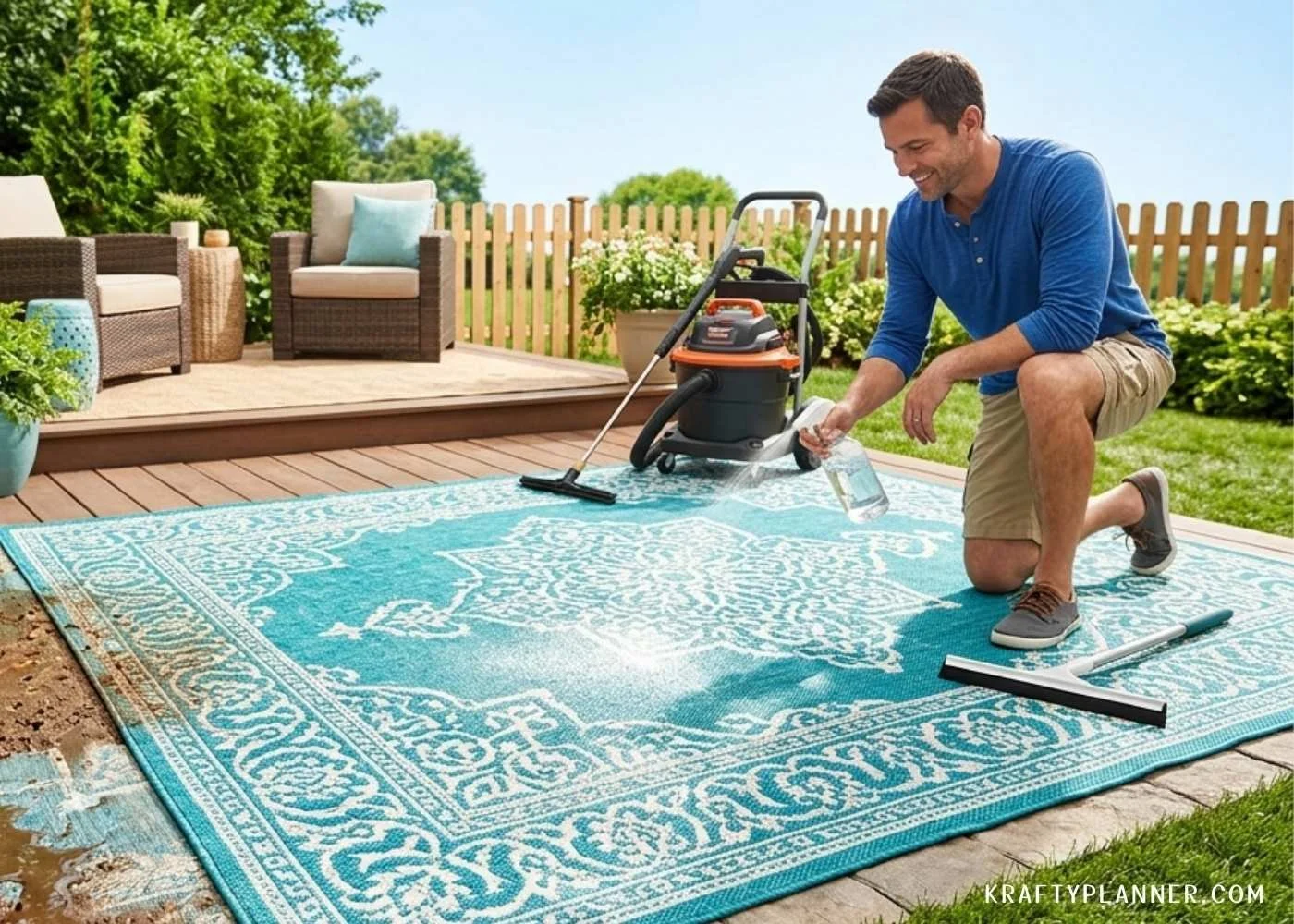
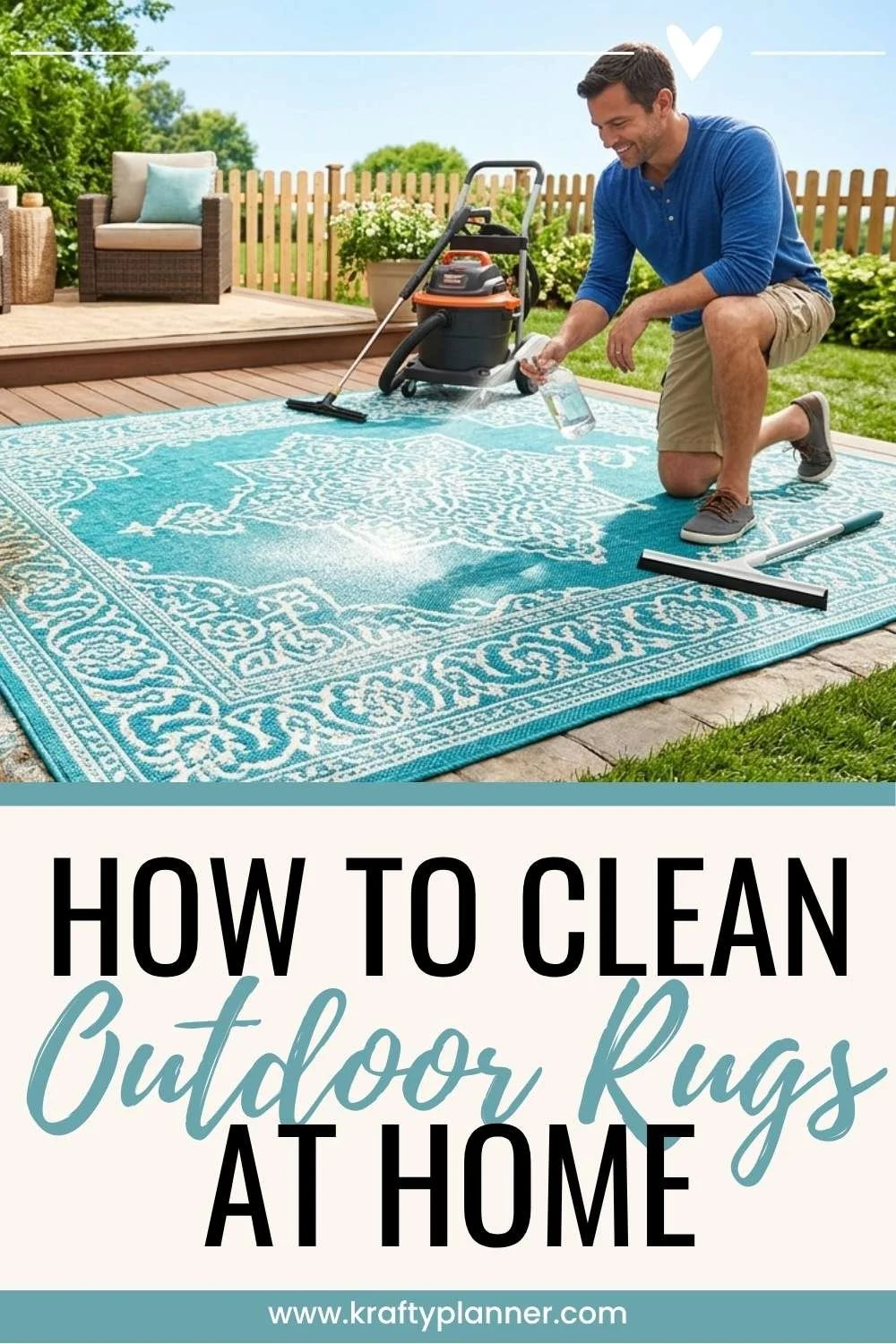
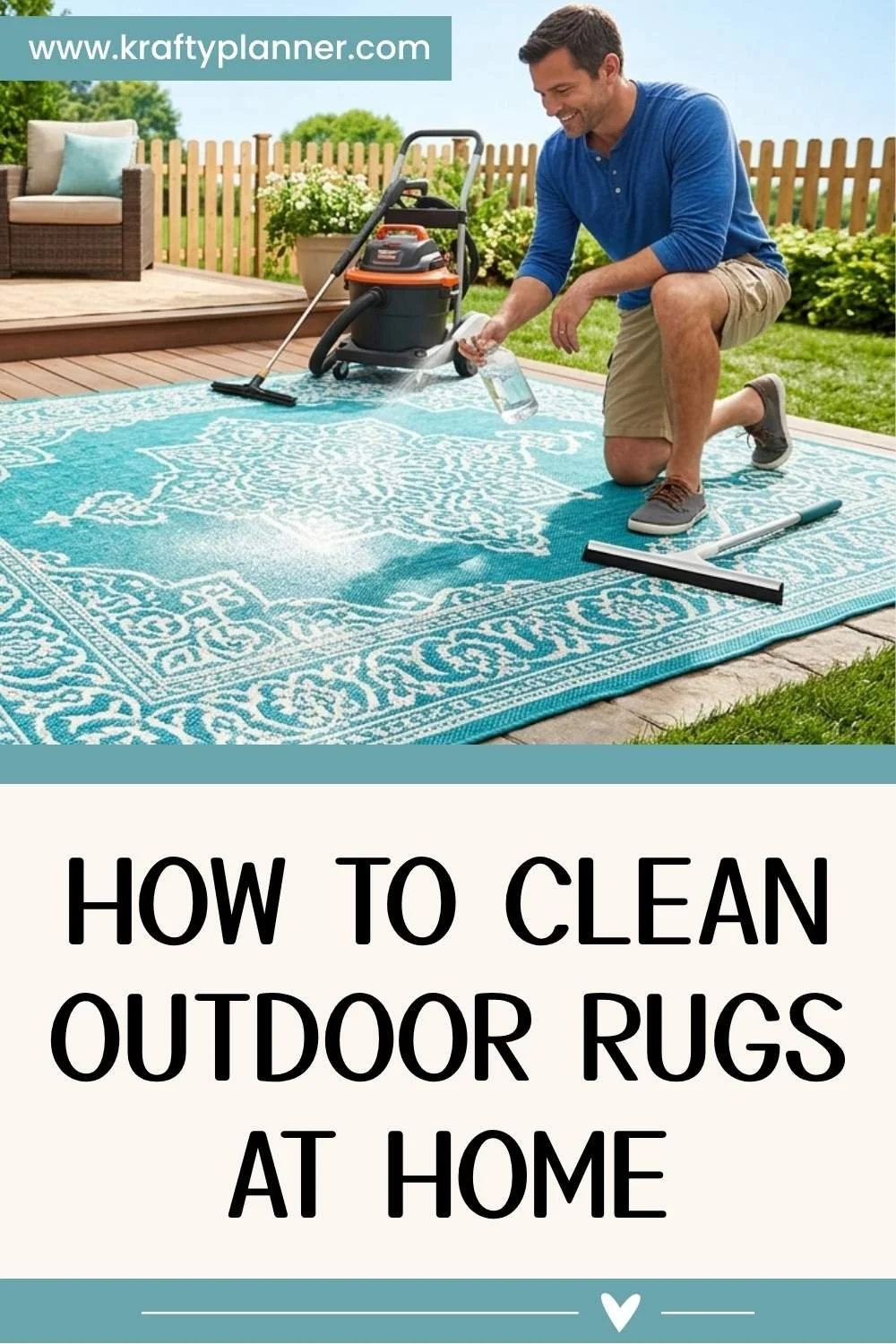
To stop this from happening, use a floor squeegee after you rinse the rug. Push it across the rug in firm, straight lines. This pushes out a large amount of water very quickly and cuts drying time by a lot.
After the squeegee, use a shop vac with a flat attachment to suck out the rest of the moisture. A shop vac is much more powerful than a regular vacuum, and it pulls water out of the fibers properly.
If you are using a carpet cleaning machine, spray the solution on and let it sit, then do several passes with the machine on suction only. Keep doing passes until the water coming out of the rug looks clear. If the water still looks dirty, the rug is not clean yet.
Drying the Rug Properly
Lay the rug on a driveway or flat hard surface where sunlight hits it directly. In warm weather, around 80 degrees Fahrenheit, a rug can dry in about one hour. A surface that faces south gets the most sun during the day, so that is the best spot to use if you have one.
If you cannot hang the rug up, prop it on boxes or chairs so air can move underneath it. Never leave a wet rug flat on a wooden deck. The moisture gets trapped between the rug and the wood, and over time, it rots the wood.
Also, keep in mind that dark colored rugs fade quickly in the strong summer sun. If you are buying a new outdoor rug, light colors like cream or beige show fading much less than dark colors do.
A Simple Trick for Humid and Rainy Seasons
In very humid weather or during the rainy season, outdoor rugs can grow bacteria and mold even when they do not look dirty. Mix one part white vinegar with four parts water and spray it lightly over the rug.
Vinegar kills bacteria and stops mold spores from spreading. It is much gentler on the fibers than bleach, and it works well.
Protecting the Rug After You Clean It
Once the rug is fully clean and completely dry, spray it with a UV-resistant fabric protector. This puts a thin & invisible layer over the fibers.
When something spills on the rug in the future, it beads up on top instead of soaking in. Your next clean will be much easier because of this one step.
Storing the Rug When You Do Not Need It
When you want to put the rug away for a few months, do not wrap it in plastic. Plastic traps moisture inside and that causes mildew to grow.
Roll the rug instead of folding it. Folding creates creases that are hard to remove later. Put a few silica gel packets or charcoal pouches inside the roll.
These absorb any moisture or smell that builds up. Then wrap the rolled rug in a breathable cotton sheet and store it somewhere dry.
FAQs
Can I use dish soap on my outdoor rug?
It is better not to. Dish soap leaves residue behind and that residue attracts more dirt, so the rug gets dirty again very quickly.
How often should I clean my outdoor rug?
A light rinse every few weeks is enough to maintain it. A deeper clean once or twice a season, or whenever there is a bad stain or smell, is usually all you need.
My rug still smells even after I cleaned it. Why?
The smell is coming from deep inside the rug, probably from pet oils or organic residue. Use an enzymatic cleaner and let it sit for the full 15 to 30 minutes. If the smell remains after rinsing, follow up with an acid-based deodorizer.
Can I put my outdoor rug in a washing machine?
Small rugs might be okay in a machine on a gentle cycle. But large outdoor rugs are too heavy and can damage the machine. Cleaning by hand or with a pressure washer is safer and usually more effective.
Is bleach safe to use on outdoor rugs?
Non-chlorine bleach is fine for synthetic outdoor rugs when used for tough stains. Regular chlorine bleach should be avoided because it weakens the fibers and can damage the color of the rug over time.
Final Note
Cleaning an outdoor rug is not complicated, but the order in which you do things matters. Start dry, beat out the deep dirt, then wash with the right product for the kind of rug you have then get the water out fast and dry it in the sun.
Do that every season, and your rug will last a long time and keep looking decent even with heavy use. One tube of fabric protector and a bag of silica packets are all you need to store it properly and start the next season fresh.
Before you go:
You might also be interested in…
FOR PERSONAL USE ONLY – Please Read Freebies Terms of Use
(This post may contain affiliate links. For more information, see my disclosures here.)
~ SHARE THIS POST ~
Did you like this post? Do you know someone else who might enjoy it? Please take a minute to share it on Pinterest, Facebook, or your favorite social media… Thank you!



















Create a custom cabinet look in a small living room with modular storage that adds a built-in feel without renovation, DIY work, or hiring a contractor.