
Budgeting for Big Fixes: How to Plan for a New Roof

A solid roof keeps your home dry and safe from the elements. It represents your first line of defense against changing seasons. Most homeowners avoid thinking about their shingles until a leak appears in the ceiling. Regular inspections and professional roofing services can help identify problems early and keep minor damage from turning into a costly repair.
Thinking about a replacement feels stressful for many property owners. Proper planning makes the entire process much busier for your wallet. You can avoid financial panic by looking ahead at the life of your home.
Monitoring Your Current Roof Health
Walk around your yard and look for missing shingles or granules in the gutters. These signs suggest that your protection is starting to fail. High winds and ice dams cause damage that you might not see from the ground.
Take photos of any damage you see in your lawn. This documentation helps when you talk to experts later. It assists if you need to file an insurance claim for storm damage.
Climbing a high ladder is dangerous for owners without training. You should look for sagging areas or moss growth on the surface. These small details indicate the structure is absorbing too much water every single season.
Considering Professional Help
Getting a second opinion provides clarity when you face a large project. Experts find small cracks that most homeowners miss on their own. They provide a detailed report on the health of your home.
Homeowners need reliable advice when planning a major renovation. Working with experts like First American Roofing helps property owners maintain their structures before small issues turn into expensive disasters.
This regular care keeps your attic dry and prevents wood rot in the rafters.
Hire someone to walk the surface once a year for safety. They can spot issues before they cause a leak in your living room. Small repairs are much cheaper than a full replacement of the entire system.
Setting Your Financial Goals
Knowing the price of a full replacement helps you save correctly. Every neighborhood has different costs for labor and local permits. You should get a few estimates to understand the local market prices.
One legal journal explained that standard home upkeep should account for unexpected costs. A single major repair can exceed $5,000 - making it a heavy burden for many budgets. Setting aside a small amount each month creates a safety net for these situations.
Start a dedicated savings account for your property projects. This keeps the money separate from your daily spending needs. You will feel more prepared when the time for construction arrives at your door.
Researching Different Roofing Materials
Prices vary based on what you choose to put on your home. Heavy materials require extra support for the structure to remain stable. Your choice should balance cost with how long the product lasts.
Asphalt shingles are affordable and common for residential houses.
Metal panels resist fire and high winds in stormy areas.
Clay tiles work well in hot climates and provide a unique look.
Ask your contractor about the lifespan of each material option. Some materials last 20 years, and others last for 50 or more. Thinking about the long term helps you pick the right fit for your budget.
Local weather plays a big role in your material selection. Heavy snow requires a steep pitch and slippery surfaces. High heat demands materials that reflect sunlight to keep your cooling bills low.

Using Federal Assistance Programs
Lower-income families sometimes qualify for local grants. These funds help keep housing stock in good condition for the community. You can check with your city office for available home improvement programs.
A document on housing finance mentioned that FHA 203(k) loans cover upgrades that bring a home up to code. This often includes a full roof replacement for the property owner. Talk to a mortgage lender about these specific financial options.
Lenders can explain the requirements for your specific property. This path makes big fixes possible for many buyers without huge savings. It provides a way to manage the high cost of renovation.
Understanding The Installation Process
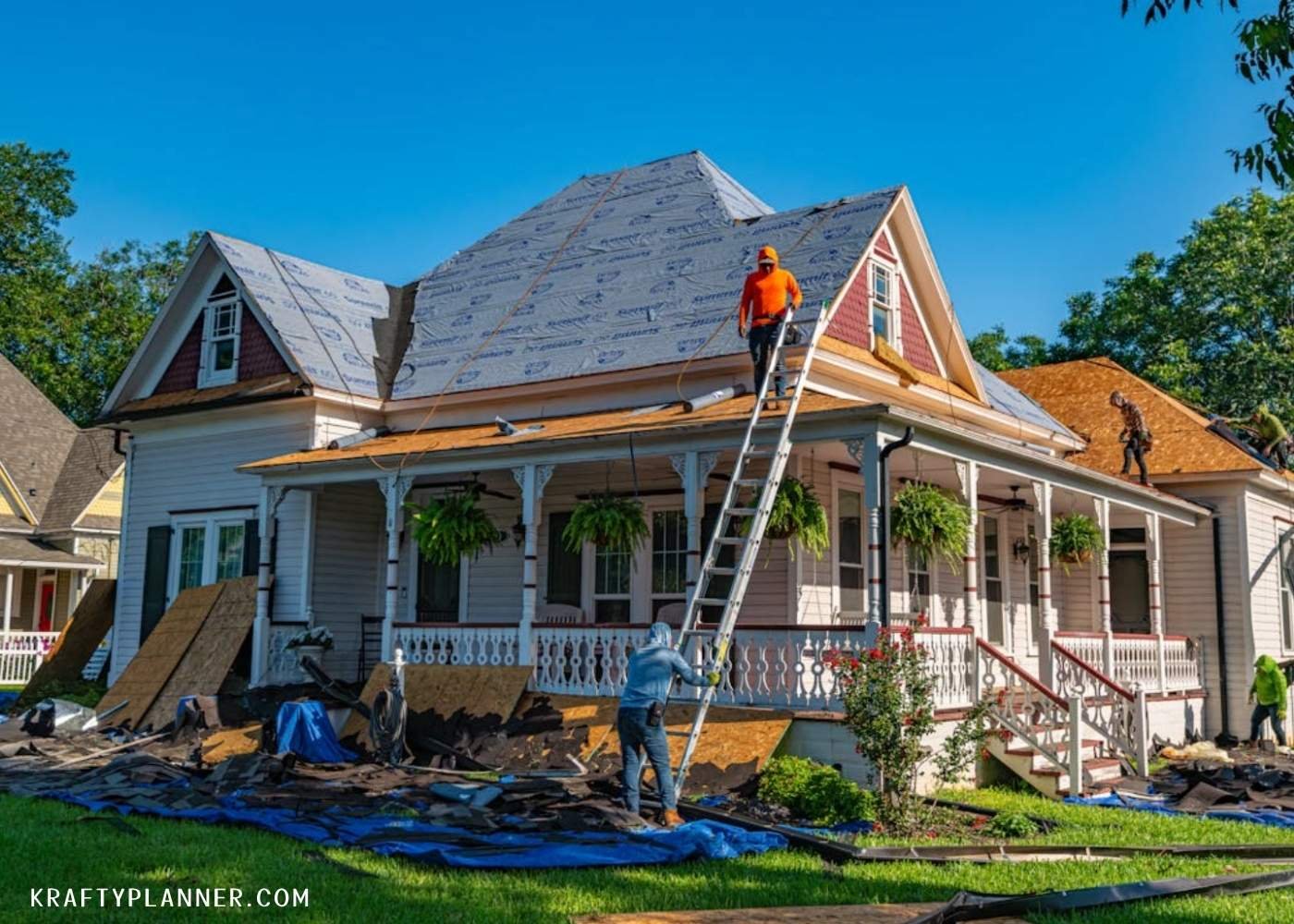
A full replacement takes several days of noisy work around the house. Your yard will likely be a construction zone during this time. Crews move quickly to remove old layers and install new ones.
Workers need space to move materials and park their trucks. Clearing your driveway makes the job go much faster for the crew. It protects your vehicles from falling nails or debris during the tear-off phase.
Protect your landscaping with tarps or temporary covers. This prevents falling debris from damaging your favorite plants. A good contractor will help you prepare the site before they start the actual work.
Budgeting for a new roof is a big step for any homeowner. It gives you peace of mind when the next storm rolls through town. You can rest easy knowing your family is safe and dry inside.
Start your savings plan today and research your options early. Your house will stay dry and secure for many years to come. Preparation turns a major fix into a manageable home improvement project.
Before you go:
You might also be interested in…
FOR PERSONAL USE ONLY – Please Read Freebies Terms of Use
(This post may contain affiliate links. For more information, see my disclosures here.)
~ SHARE THIS POST ~

Did you like this post? Do you know someone else who might enjoy it? Please take a minute to share it on Pinterest, Facebook, or your favorite social media… Thank you!




















Download a free printable 2027 Princess-themed calendar with fun character illustrations. Choose Sunday or Monday start & add some personality to your planning