
How to Deep Clean Your Home to Help Prevent Mice and Rats

Finding a rat in your house is an experience that tends to bring with it an immediate feeling of dread. These rodents are inconvenient and unpleasant to look at, but they also pose serious health risks and cause extensive structural damage.
Mice and rats chew through electrical wires, ruin drywall, and spread harmful bacteria across the very floors where your kids play.
You might think a quick weekend sweep keeps pests away, but rats are cunning. They look for hidden spaces and forgotten messes. One of the absolute best ways to prevent an infestation requires consistent upkeep and thorough deep cleaning.
We put together this practical guide to help you clean smarter and protect your space. Here are ten detailed steps you need to take to deep-clean your home and keep rats outside where they belong.
1. Start With a Whole-Home Declutter
Rats absolutely love clutter, and an uncontrolled pile of old magazines or a mountain of winter coats gives them the perfect hidden spot to build a nest. Storage-heavy spaces like basements, garages, and guest room closets are highly vulnerable to rodent activity.
Take a weekend to sort through your unused items and discard unnecessary clutter. Donate old clothes, recycle stacks of junk mail, and clear the floor space in your storage rooms.
You also need to replace all your old cardboard boxes with heavy-duty plastic bins. Rats easily chew right through cardboard to build cozy nests out of your old tax returns and childhood sweaters. Sealed plastic bins create a tough physical barrier that rodents simply cannot bypass.
2. Deep Clean the Kitchen Thoroughly
Kitchens provide an endless buffet for hungry rodents. Even if your kitchen appears spotless at first glance, rats will find the hidden grease spills and stray crumbs hiding in the shadows.
Pull your heavy appliances away from the wall to clean underneath them. Grab a flashlight and look under the stove and refrigerator. You’ll likely find dropped noodles, pet hair, and greasy dust bunnies that rats consider a gourmet meal.
Sweep up the debris and mop the floor underneath your appliances with hot, soapy water. Wipe down your cabinet fronts, scrub your backsplashes, and sanitize your countertops to remove any lingering food smells.
3. Focus on Food Storage Areas
Your pantry serves as a prime target for a hungry rat. A tiny tear in a bag of flour or an open box of crackers practically rolls out the red carpet for pests. Dry goods like grains, cereals, and pet food are especially vulnerable to rodent attacks.
Transfer all your vulnerable pantry staples into thick, airtight containers. Glass jars and heavy plastic tubs keep the smell of food trapped inside and stop rats from chewing their way to a meal.
Empty your shelves completely and wipe them down with a multi-surface cleaner. Check the back corners for any tiny, dark droppings or signs of gnawing on the baseboards.

4. Eliminate Moisture and Water Sources
Rats need a reliable water source to survive, and naturally gravitate toward leaky pipes, standing water, and damp corners in your house. Bathrooms, kitchens, and basement laundry rooms are constant attractants for thirsty rodents.
Check under your sinks for any slow drips and fix those plumbing leaks promptly, and dry out your kitchen and bathroom sinks completely before going to bed.
Make sure your moisture-prone areas have proper ventilation. Run the exhaust fan during your showers to remove humidity from the room.
5. Clean and Disinfect Hidden Spaces
Rats rarely walk right through the middle of your living room. Instead, they prefer to travel and nest in dark, less visible areas like behind walls, under heavy furniture, and inside rarely used cabinets.
These forgotten zones accumulate dust, dead bugs, and stray food particles over time. Grab your vacuum and use the hose attachment to reach far under your couches and heavy bookshelves.
Disinfect the interior floors of your bottom kitchen cabinets and bathroom vanities. Pay special attention to the dark corners where plumbing pipes enter the wall, as these spots often hide early signs of rodent activity.
6. Manage Trash and Waste Properly
Your household garbage acts like a mega-magnet for neighborhood rats. Rotting food waste and lingering odors from your trash bins will draw pests straight to your back door.
Always use heavy-duty, sealed trash cans for your kitchen waste. Take your garbage out to the exterior bins regularly, especially after throwing away meat scraps or fruit peels.
Take the time to clean the actual bins themselves, too. Grab a hose and some dish soap to scrub out the sticky residue and foul smells hiding at the bottom of your outdoor garbage cans.
7. Pay Attention to Soft Surfaces and Fabrics
Rats are constantly on the lookout for soft, warm materials to build their nests. They gladly shred loose fabric, paper, and exposed insulation to create a comfortable home for their babies.
Upholstery, plush rugs, and stored linens easily collect dust and food debris that attract exploring pests. Vacuum your living room rugs thoroughly and use an upholstery attachment on your couches to remove hidden crumbs.
Store your spare blankets, seasonal clothing, and guest linens inside sealed plastic containers. Leaving soft fabrics in an open basket in the basement practically guarantees a rodent will use them for nesting material.
8. Inspect and Clean Entry Points
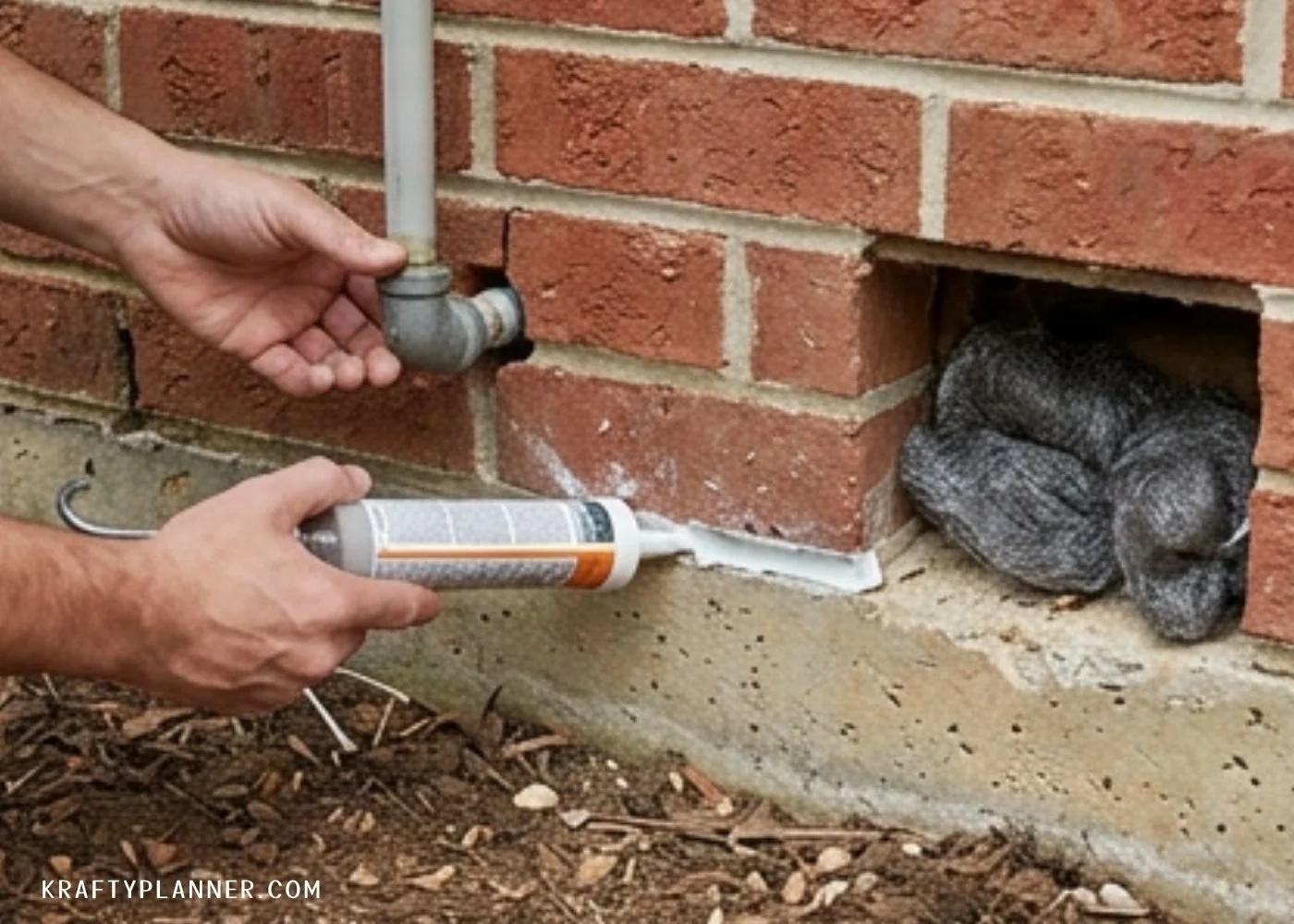
Rats possess a remarkable ability to squeeze through incredibly small openings. They can enter your home through tiny gaps around exterior doors, utility pipes, and foundation vents.
Walk around the perimeter of your house and look closely at these potential entry points. A buildup of dirt, grease smears, or chew marks often signals active rodent traffic.
Clean away the debris so you can clearly see the structural gaps. Use high-quality silicone caulk to seal small cracks, and stuff copper mesh or steel wool into the larger holes around your plumbing pipes.
9. Maintain Outdoor Cleanliness
Preventing indoor rats requires you to maintain a clean outdoor space as well. Piles of yard waste, scattered debris, and overgrown bushes attract rodents to your foundation.
Once rats set up camp in your yard, finding a way inside your house becomes their next logical step. Rake up dead leaves, remove rotting tree stumps, and clear away any trash blown into your yard.
Store your firewood elevated off the ground and at least twenty feet away from your exterior walls. Keep your bushes and tree branches trimmed neatly so they never touch your roof or siding.
10. Reinforce With Professional Prevention
Deep cleaning provides an incredibly powerful defense against pests. But a mop and a vacuum cannot completely eliminate a severe rodent problem if a family of rats already lives inside your walls.
Partnering with professional pest control experts means your home remains entirely safe and sanitary. A trained technician spots the subtle warning signs that most homeowners completely overlook.
Tidy Up Today to Prevent Pests Tomorrow
Deep cleaning is one of the most powerful, proactive tools you have for preventing rat infestations. Removing food sources, eliminating hidden nesting spots, and maintaining cleanliness inside and outside your property drastically reduces your risk of a rodent invasion.
Rome wasn’t built in a day, but consistent habits make the biggest difference. Taking a few extra minutes to dry your sinks, sweep your floors, and organize your storage bins creates a fortress against unwanted pests.
Keep up the great work with your daily chores and home maintenance. If you ever suspect a rodent has breached your defenses, call professional pest control immediately to secure your home and protect your family.
Before you go
Here are a few more posts you might like:
SUPPLIES I RECOMMEND FOR PRINTING
A PRINTER
If you’re going to be printing in color, I really recommend investing in a Canon Mega Tank Printer. The quality of the finished product is amazing! If you don’t need a color printer, I highly recommend a laser printer like the Brother L23 Series. You will save hundreds on ink. You can also get a color laser printer, which I would LOVE to have!
PAPER
For everyday printables, planners, and coloring pages for the kiddos, I normally use Hammermill Printer Paper, 20 Lb. I love that you can get a small box of 3 reams instead of having to buy one at a time or a whole case of 10.
If I want something a little nicer, I use this laser paper, which is incredibly smooth and has very little to no ghosting on the other side. This is perfect if you like to use pens/markers that are prone to bleeding through to the other side.
For printing on A5 paper, I use this Blank 6-Hole Punched A5 Paper. You can also get it without the holes, but it’s $6-7 more. Which I think is odd because it’s usually the other way around, and you have to pay more for the hole punching.
See my Link Party Directory for a current list of blog parties I attend each week.
FOR PERSONAL USE ONLY – Please Read Freebies Terms of Use.
(This post may contain affiliate links. For more information, see my disclosures here.)
~ SHARE THIS POST ~

Did you like this post? Do you know someone else who might enjoy it? Please take a minute to share it on Pinterest, Facebook, or your favorite social media… Thank you!





















Download free October 2026 planner printables, including calendars, weekly and daily pages, a habit tracker, and more to stay organized all month long.