
A Simple System for Organizing Tax Records and Handling IRS Notices

The best time to organize a tax issue is before there is one. Keep filed returns and supporting records in a consistent annual archive, then use a separate “active notice” workflow whenever an IRS letter arrives. The system should make four facts immediately visible: what the IRS sent, what it concerns, whether action is required, and the exact response date shown on the notice.
Organization can reduce delay, preserve a clear history, and help a qualified professional understand the matter. It cannot guarantee that penalties, collection activity, disputes, or notices will be avoided or resolved. The substance of any outcome depends on the law, the taxpayer’s facts, agency procedures, and timely action.
Key Takeaways
Maintain a permanent index of filed returns, payments, and supporting folders by tax year.
Open IRS mail promptly and read every page before taking action.
Preserve the envelope, scan the notice, and record the notice number, tax period, response date, and requested action.
Verify suspicious communications through official channels rather than using unverified contact information.
Build a response packet with copies, an evidence index, proof of delivery, and a call log.
Escalate early when the deadline is close, the facts are disputed, several years are involved, or collection or appeal rights may be affected.
Start With a Tax Archive That Can Answer Basic Questions
Create one secure folder for each tax year. Use the same layout every year:
Filed federal and state returns
Income documents
Deductions and credits
Business schedules and books
Property and investments
Payments and refunds
Notices and responses
Professional correspondence
Save the final signed return, all schedules and attachments, e-file acceptance or mailing proof, payment confirmations, refund records, and any amended returns. A draft is not a substitute for the filed version.
Maintain an annual index with filing date, method, confirmation, payment or refund, jurisdictions, related entities or property, preparer, and later corrections. This is a map to the facts.
Use a Two-Layer System: Archive and Active Matters
Annual folders hold completed records. Active matters need a separate dashboard because they involve actions and dates.
Create an Active Tax Matters folder. Name each matter with the tax period, notice number, topic, and received date. Use the notice’s actual period and identifier. Inside each matter, create numbered folders for the notice, timeline, related return, evidence, draft, submitted response and delivery proof, later IRS replies, and outcome. Keep original paper in a labeled physical file; work from copies when possible.
What to Do the Day an IRS Notice Arrives
1. Open it and read every page
An IRS letter may concern a balance, a changed refund, a question, identity verification, a correction, or processing delay. Some notices require no reply; others have time-sensitive instructions. Do not assume every letter is a bill, and do not assume it can wait.
The IRS advises taxpayers to review a notice carefully, keep it, and act by the due date if a response is requested. Its notice-and-letter guidance also explains that the CP or LTR number generally appears on the right corner of the letter.
2. Preserve the original context
Scan the entire notice, including blank-looking backs that contain instructions, inserts, payment vouchers, and the envelope. The envelope can help document when and how the notice was sent. Save a clean PDF and keep the original paper flat and secure.
3. Enter the matter on a notice log
Record:
Date received
Agency and sending address
CP or LTR number
Notice date
Taxpayer or entity named
Tax form and tax period
Amount shown, if any
What changed or is being requested
Response or payment date printed on the letter
Response method allowed
Assigned owner and next action
Copy the date exactly as shown; do not calculate your own deadline from memory. If wording is unclear, seek prompt guidance.
4. Verify before sharing information or paying
Compare the notice with IRS.gov and the taxpayer’s IRS Online Account when appropriate. If it looks suspicious, use contact information independently obtained from IRS.gov—not an unsolicited link, QR code, or number. Send sensitive documents only through an approved secure method.

Triage the Notice Without Jumping to Conclusions
Summarize what the notice says: the related return line, schedule, or payment; records available; missing evidence; requested action; and printed date. A notice does not automatically prove either side correct. It may reflect a mismatch, timing issue, missing form, math change, uncredited payment, or substantive disagreement. Compare the explanation, return, and source records line by line.
When to escalate promptly
Seek qualified help early when:
The response date is close or has passed.
Appeal or petition rights may be involved.
The notice mentions levy, lien, summons, examination, or collection.
Several tax years, businesses, owners, or states are involved.
Returns are unfiled or records are incomplete.
Identity theft or fraud is suspected.
The proposed adjustment is not understood.
You cannot pay the amount shown.
You disagree and need to assemble a factual or legal response.
Build a Response Packet Another Person Can Follow
There is no universal format; follow the notice. When a written response is appropriate, include the requested notice page, a concise cover letter, a clear statement of agreement or disagreement if required, and an indexed set of legible supporting copies. Include requested forms and signatures. Do not send originals unless specifically required and advised, and keep an exact copy.
Before submission, confirm the taxpayer, tax period, response destination and method, signatures, and attachments. Retain reliable proof of submission. Methods and acceptable proof differ, so use the specific notice instructions and professional guidance.
Maintain a Timeline and Communication Log
Log every action by date, person or office, reference number, and next step. For calls, add the number, department, representative and ID when provided, and discussion. Save later letters in the same folder. Calendar an internal target and the actual printed date; a buffer does not change the deadline.
Keep Payments and Disputes Organized Separately
For a payment, save its amount, date, method, applied tax period, confirmation, and bank evidence. If disputing the notice, preserve drafts, evidence, and delivery proof. The IRS says to follow notice instructions, provide supporting copies, and reply by the due date to guarantee appeal rights.
If you agree but cannot pay in full, do not ignore the letter. The IRS advises paying by the due date even if not in full because this can reduce interest and penalty charges. Review official IRS payment options and seek guidance before choosing an arrangement.
Close the Matter Without Losing the History
Do not close a matter merely because a response was sent. Wait for reliable evidence of its current status. Save the agency acknowledgment or final letter, payment or refund confirmation, signed agreement, professional summary, and future monitoring dates. Move the complete folder to the tax-year archive and calendar ongoing requirements.
The IRS states that record-retention periods vary. Its guidance on how long to keep records gives a general three-year rule for many situations and longer periods for others. Do not destroy records connected to an open notice, payment issue, appeal, amended return, property basis, or unresolved filing question without appropriate advice.
Choosing Professional Support
Some matters call for return preparation or planning; others involve representation or tax-resolution work. Haigler CPA Group describes tax preparation, planning, bookkeeping, and tax-controversy services, including IRS representation. Global Gate Tax Relief describes help with IRS notices, unfiled returns, and resolution options, and expressly notes that results depend on individual circumstances. Neither firm is affiliated with Krafty Planner.
Ask who will handle the case, credentials, written scope, security, realistic options, fees, updates, and what happens if the IRS disagrees. Be wary of guaranteed settlements, penalty removal, or outcomes.

IRS Notice Organization Checklist
Within the first day
[ ] Read every page and preserve the envelope.
[ ] Scan the notice into a new active-matter folder.
[ ] Record notice number, tax period, amount, requested action, and printed date.
[ ] Verify suspicious communications through official sources.
[ ] Assign an owner and internal review date.
During review
[ ] Compare the notice with the filed return.
[ ] Gather source documents and payment confirmations.
[ ] Write a factual summary and list missing items.
[ ] Decide whether qualified help is needed.
[ ] Follow only the instructions applicable to this notice.
Before sending anything
[ ] Confirm taxpayer, period, destination, method, and signatures.
[ ] Send copies unless originals are specifically required.
[ ] Keep an exact copy of the response packet.
[ ] Save proof of submission and delivery.
[ ] Calendar follow-up and the actual response date.
Frequently Asked Questions
Does every IRS notice require a response?
No. The IRS says taxpayers generally need to act when the notice asks for information, shows a balance due, or presents a change they dispute. Read the specific instructions; some letters are informational.
Should I call the number on the letter immediately?
First read and verify the letter. Many issues can be handled by following written instructions. If the communication seems suspicious, use contact information independently obtained from IRS.gov.
What if the response date has already passed?
Do not discard the notice or assume nothing can be done. Organize the file and seek prompt guidance. Available steps and rights depend on the type of notice and current status.
Can a tax professional guarantee that a penalty will be removed or a dispute resolved?
No reputable professional can guarantee an IRS outcome. They can evaluate facts, explain options, prepare submissions, and represent an authorized taxpayer when qualified, but the agency and applicable law control the result.
Will this system prevent future notices?
No. Good organization may reduce missing information and make responses easier, but it cannot ensure that the IRS will not issue a notice or that penalties, collection activity, or disputes will be avoided or resolved.
This article provides general organizational information, not individualized tax or legal advice. IRS procedures, rights, and deadlines depend on the specific notice and facts.
Before you go:
You might also be interested in…
(This post may contain affiliate links. For more information, see my disclosures here.)
~ SHARE THIS POST ~

Did you like this post? Do you know someone else who might enjoy it? Please take a minute to share it on Pinterest, Facebook, or your favorite social media… Thank you!






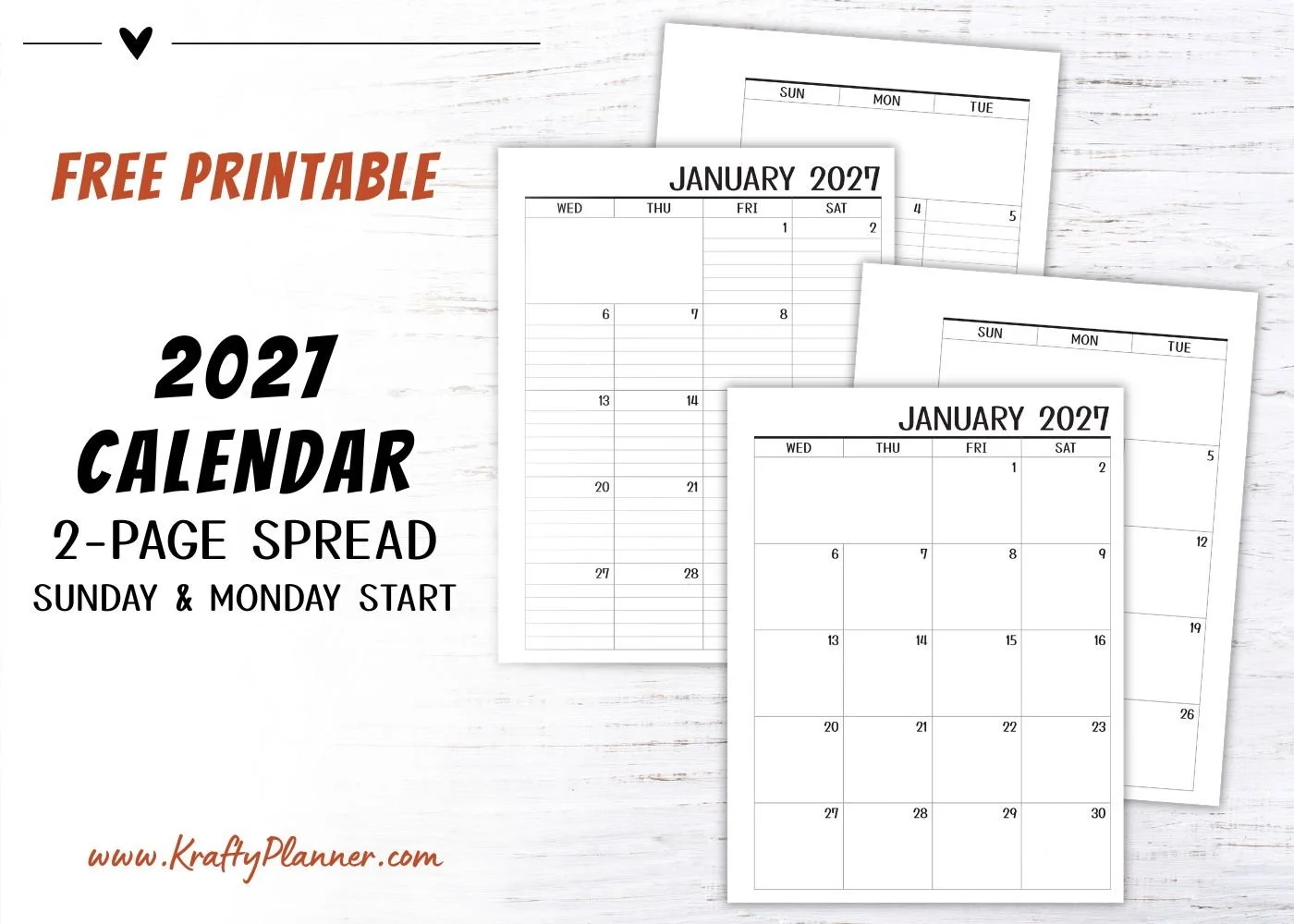







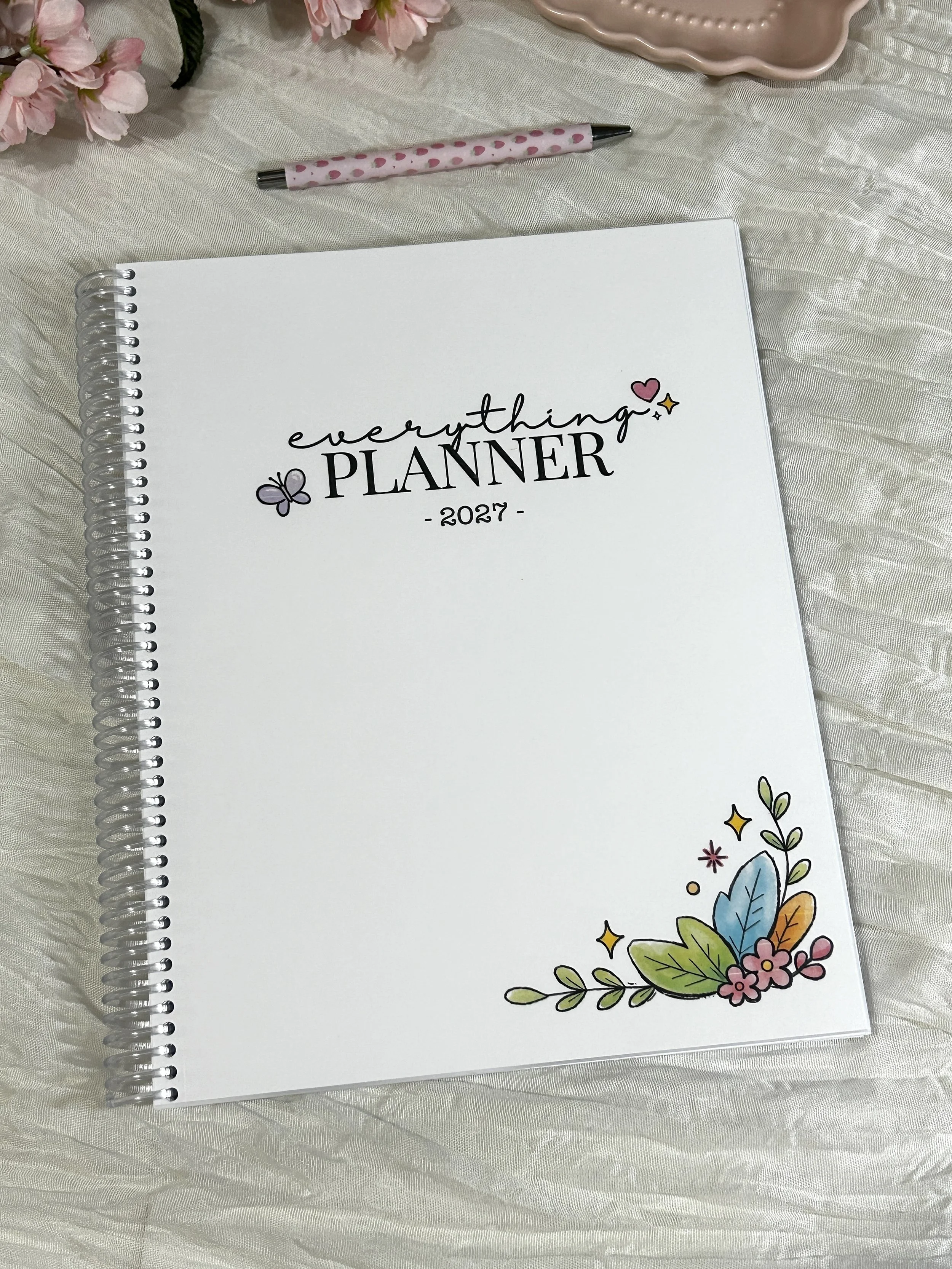
Bring structure and a little joy to your everyday planning with the 2027 Everything Planner.
Dated from January through December 2027, this full-size planner (8.5" × 11") is designed to help you organize your schedule, set meaningful goals, and keep track of the things that matter most—all while making planning something you’ll actually enjoy.
Thoughtfully designed and handmade in my studio in Seneca Falls, New York, every planner is printed on premium paper, bound with a durable, clear coil, and finished with a soft-touch matte floral cover. It lays flat for easy writing and is ready to use right out of the package.
What's Inside
2027 & 2028 Year-at-a-Glance Calendars
Yearly Goal Planning Pages
Books to Read List
My Dreams List
Level 10 Life Worksheets
Yearly Reflection Pages
Monthly Cover Pages
Two-Page Monthly Calendars
Monthly Planning & Goal Pages
Monthly Tasks & Habit Tracker
Dated Weekly Planning Pages
Monthly Review & Notes Pages
End-of-Year Review
Product Details
Size: 8.5" × 11"
256 premium printed pages
Soft-touch matte laminated cover
Durable clear coil binding
Lays flat while writing
Handmade in Seneca Falls, New York
Why You'll Love It
The Everything Planner was created to be more than just a calendar. It's a place to organize your schedule, capture ideas, work toward your goals, and create routines that help you build an intentional life.
The thoughtfully designed layouts give you plenty of room to plan in a way that works for you.
Whether you're organizing work, school, family life, or personal goals, this planner is designed to help you P.L.A.N. Everything:
Productivity • Lifestyle • Accountability • New Beginnings
Each planner is carefully printed, assembled, and packaged by hand before being shipped directly to you.



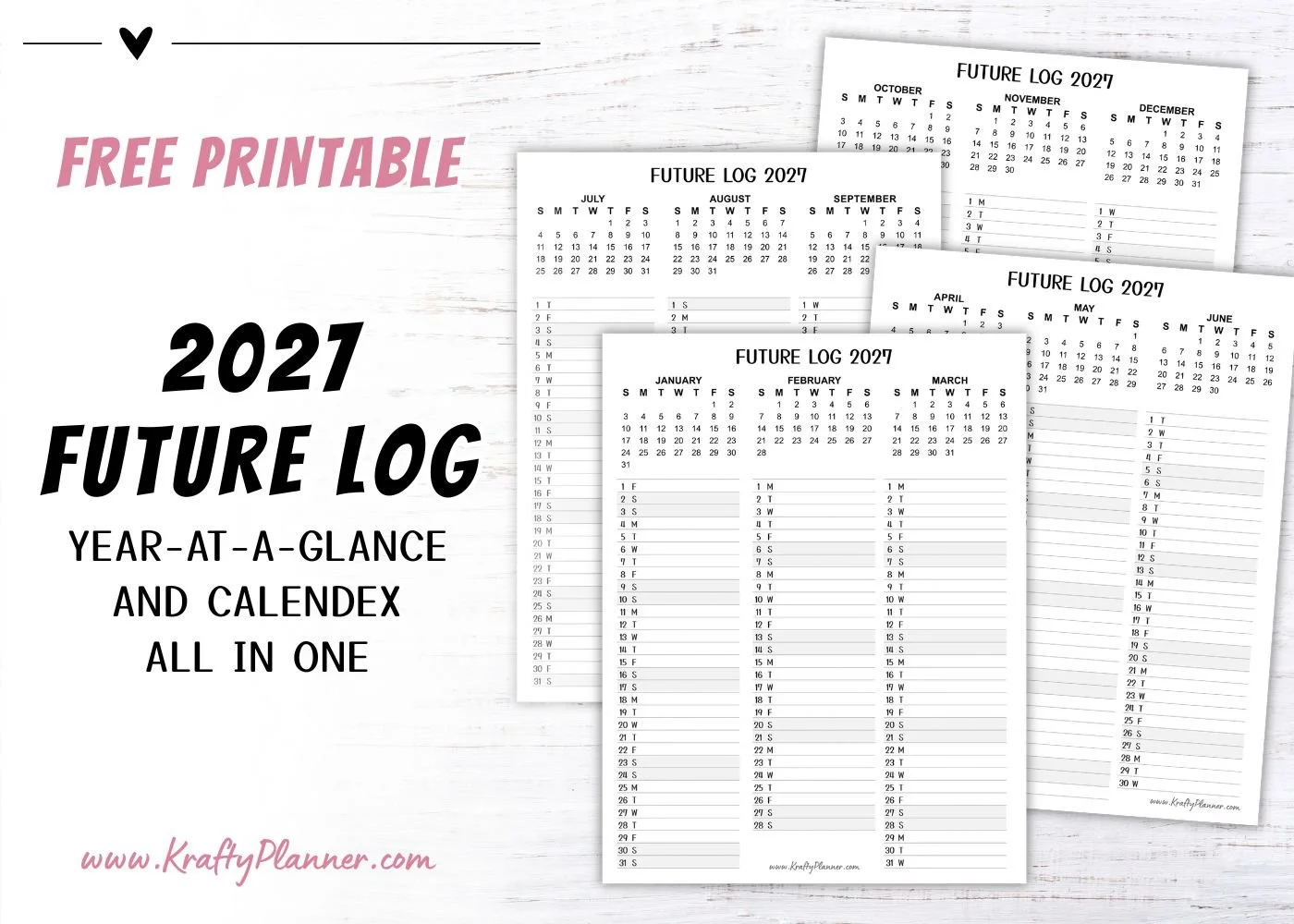
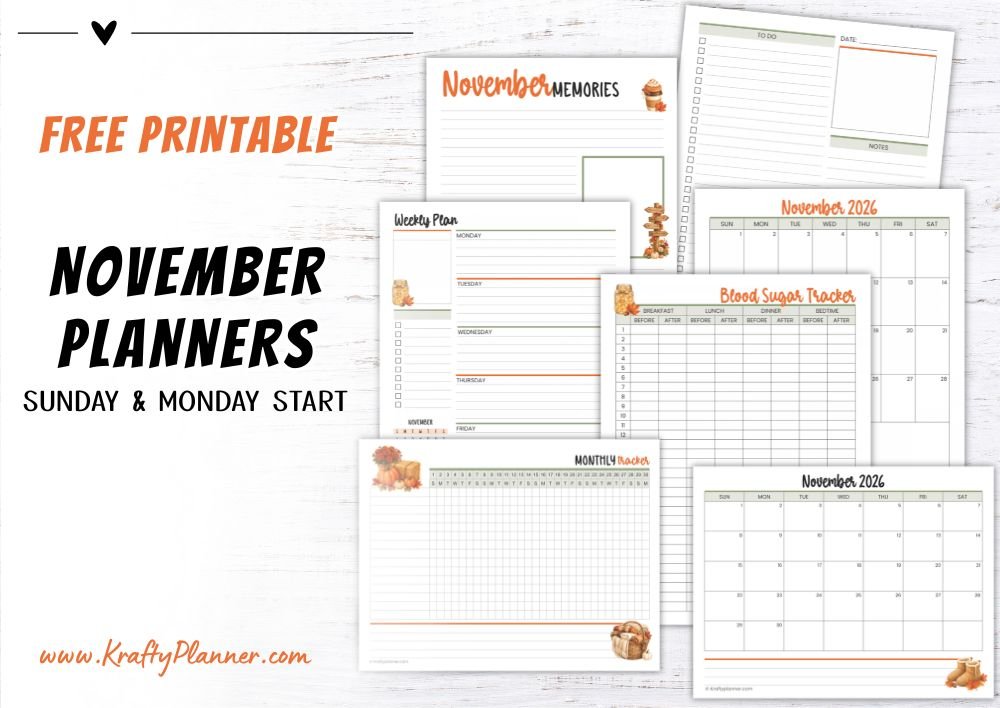


Simplify your finances with a year-round tax-document organizer! Learn what to save, how to name files, and a simple review routine to stay organized.