
Organized Home Spaces That Encourage a More Relaxed Lifestyle

Walking into a cluttered room instantly changes your mood. The pile of shoes by the door or the scattered papers on the counter create a constant weight. A home should be a sanctuary where stress fades away.
When physical items clog up your living areas, your mind struggles to rest completely. Simple adjustments to the way you manage your space can transform a chaotic house into a peaceful retreat.
Shifting the Energy of Your Home
Finding the right system for storage makes a massive difference in how your household functions daily. Many homeowners turn to online resources like garagecabinets.com to discover new ways to organize tools, seasonal gear, and outdoor equipment.
Keeping these bulky items hidden away creates an immediate sense of openness throughout the rest of the property. When every possession has a designated spot, cleaning becomes faster and less tedious.
Visual harmony allows your brain to stop scanning for tasks that need finishing. You can sit down and enjoy a book without staring at a mess that requires your attention.
The Physical Cost of Household Friction
Living in a chaotic environment affects more than just your mood. An international health publication revealed that long-term exposure to home-based stressors is directly linked to higher biological wear-and-tear. This physical toll can disrupt your immune system and cardiovascular health.
When your living space stays messy, your body remains in a low-level state of alert. Reducing the number of items in your hallways and rooms can lower this unseen biological pressure. You deserve a space that protects your physical well-being.
Structuring Common Areas for Better Flow
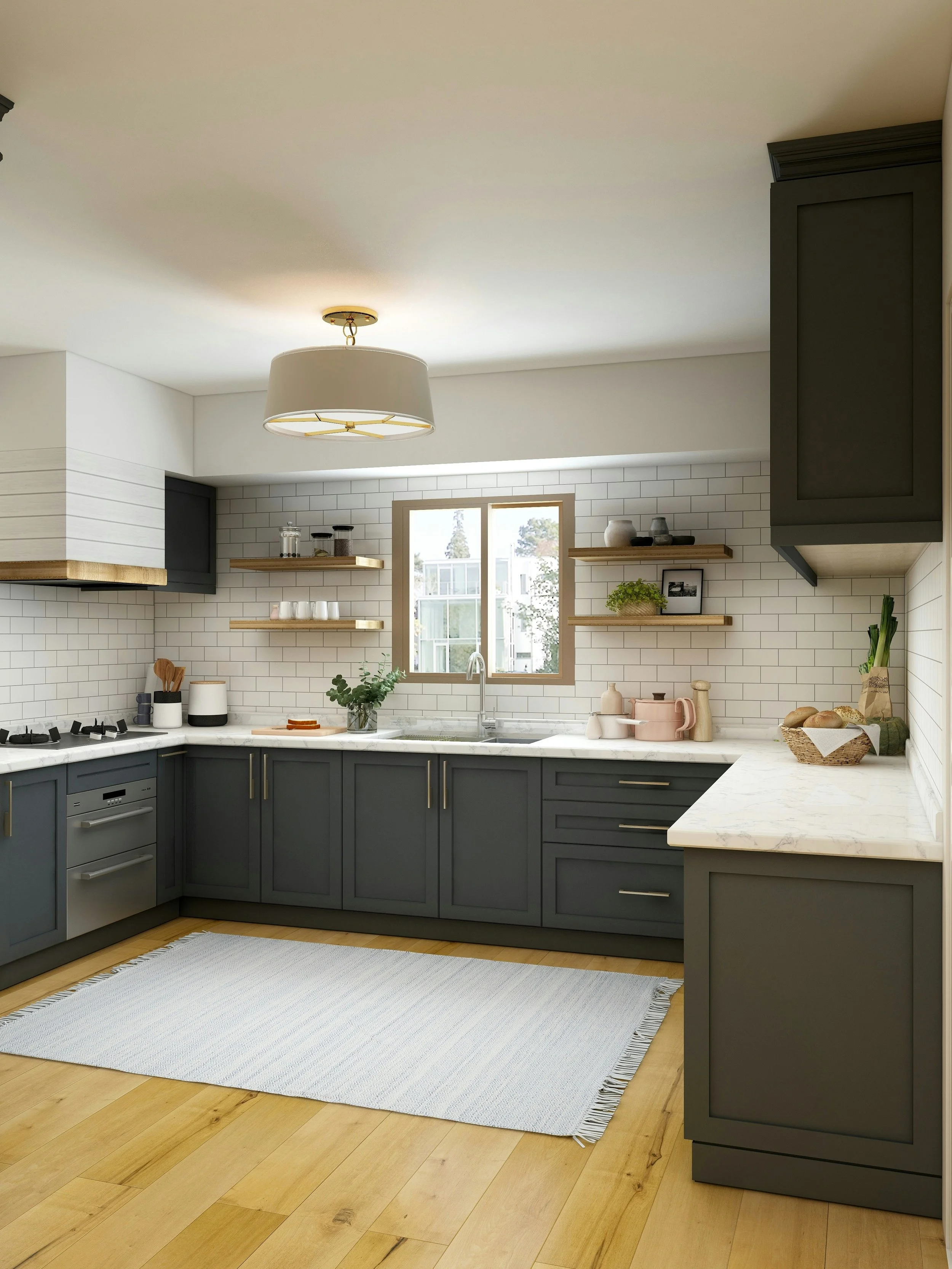
Shared spaces like kitchens and living rooms gather clutter quickly. A childhood development report noted that chaotic, crowded, and loud homes can negatively impact a child's growth and learning abilities.
Creating specific zones for activities helps prevent this buildup of domestic noise.
Simple organization methods can keep these shared areas functional for everyone. Spending $0 on new bins is possible if you repurpose old cardboard boxes.
Assign low bins for children's toys so they can clean up independently.
Store kitchen appliances inside cabinets to keep counter spaces open.
Set up a specific tray near the entrance for mail and keys.
These small boundaries protect younger family members from feeling overwhelmed. Clear surfaces give everyone room to breathe and think.
Establishing Order in Personal Workspaces
Remote work means professional tasks often spill into your personal relaxation zones. A public health archive study explained that having the freedom to organize your own work setup serves as an excellent resource for mental health.
Arranging your desk mindfully allows you to separate business hours from family time.
Smart Desk Management
Using small drawer dividers keeps supplies out of sight. Keep only 2 or 3 items on the actual desktop to maintain focus.
When your workspace stays tidy, transitions at the end of the day become much easier. Closing a laptop or sliding a keyboard away signals to your brain that it is time to unwind.
Cognitive Rewards of Clean Environments
Physical surroundings play a massive role in mental clarity. An academic paper focused on aging found that environments with fewer signs of physical disorder correlate with better cognitive outcomes.
Minimizing clutter lowers your mental stress levels and leaves more energy for social engagement.
When a room is clear, your brain spends less power processing background distractions. This newfound mental space makes it easier to focus on hobbies or enjoy conversations with friends. A tidy room acts like a quiet backdrop for your mind.
Daily Habits That Maintain Calm
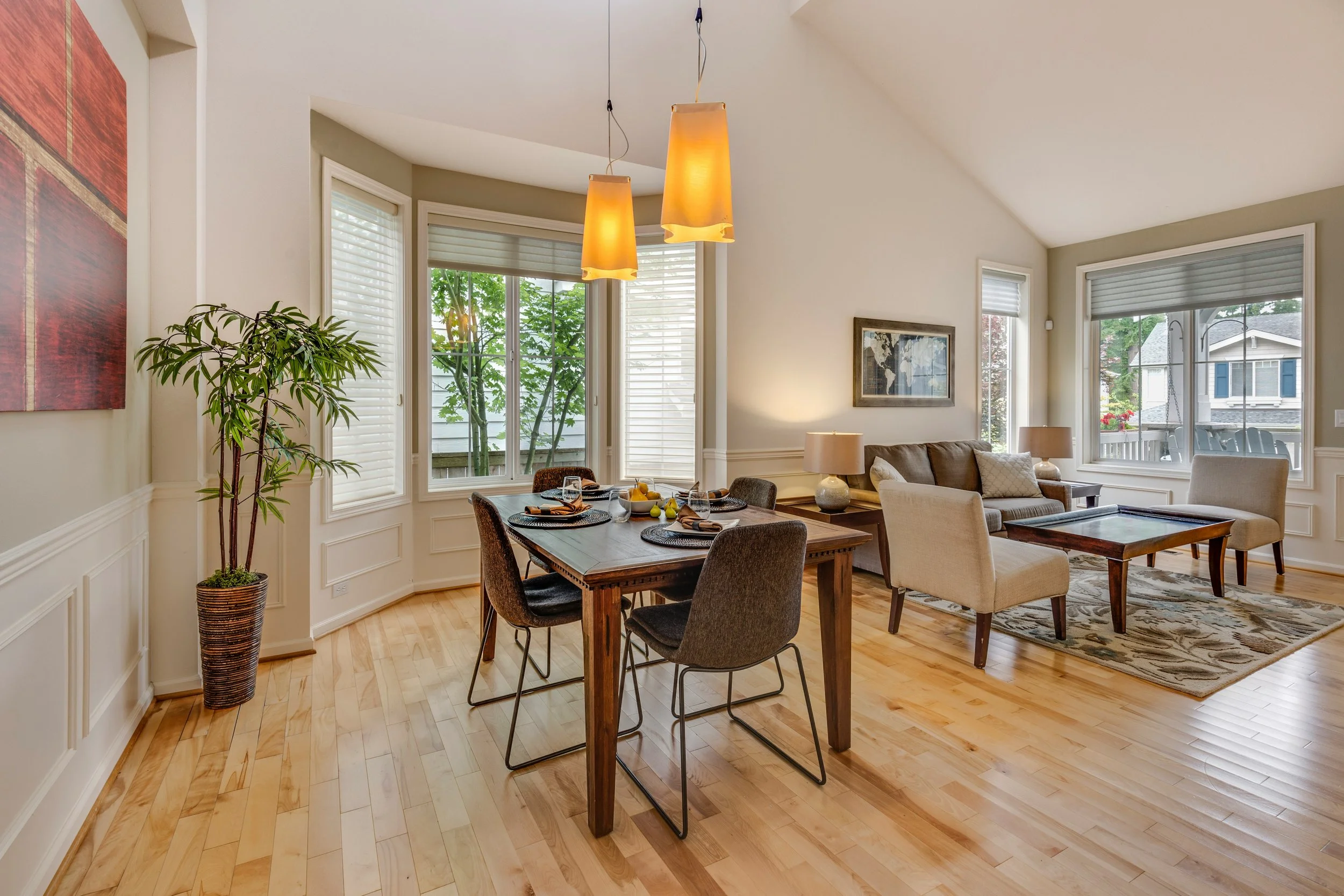
Managing a home requires consistent, simple routines to prevent chaos from returning. A behavioral science journal highlighted how a person's perception of time influences their cognitive and social well-being when working in flexible environments.
Setting regular times to tidy up helps establish a predictable rhythm for your day.
Spending just 10 minutes every evening resetting your main rooms can preserve your hard work. You can wake up to a fresh start rather than a list of chores. This practice helps separate your resting hours from your active hours.
Easing the Pressure on Families
Cluttered homes often increase the daily friction felt by parents and children. A family psychology study demonstrated that elevated levels of parental stress share a direct connection with lower personal well-being. Misplaced keys or crowded entryways add unnecessary irritation to busy mornings.
Investing time into streamlining your storage reduces these small moments of panic. When the physical environment supports your routine, family interactions become calmer.
A peaceful home environment directly supports happier relationships.
Your home transforms from a source of chores into a true sanctuary. Small, intentional steps toward organization provide a clear path to a calmer mind. Enjoy the quiet comfort of a balanced, orderly space.
Before you go:
You might also be interested in…
FOR PERSONAL USE ONLY – Please Read Freebies Terms of Use
(This post may contain affiliate links. For more information, see my disclosures here.)
~ SHARE THIS POST ~

Did you like this post? Do you know someone else who might enjoy it? Please take a minute to share it on Pinterest, Facebook, or your favorite social media… Thank you!















Planning your year as a caregiver? Learn how to organize caregiving expenses, appointments, routines, and respite while protecting your budget and energy.