
Stress and Emotional Strain After a Serious Injury
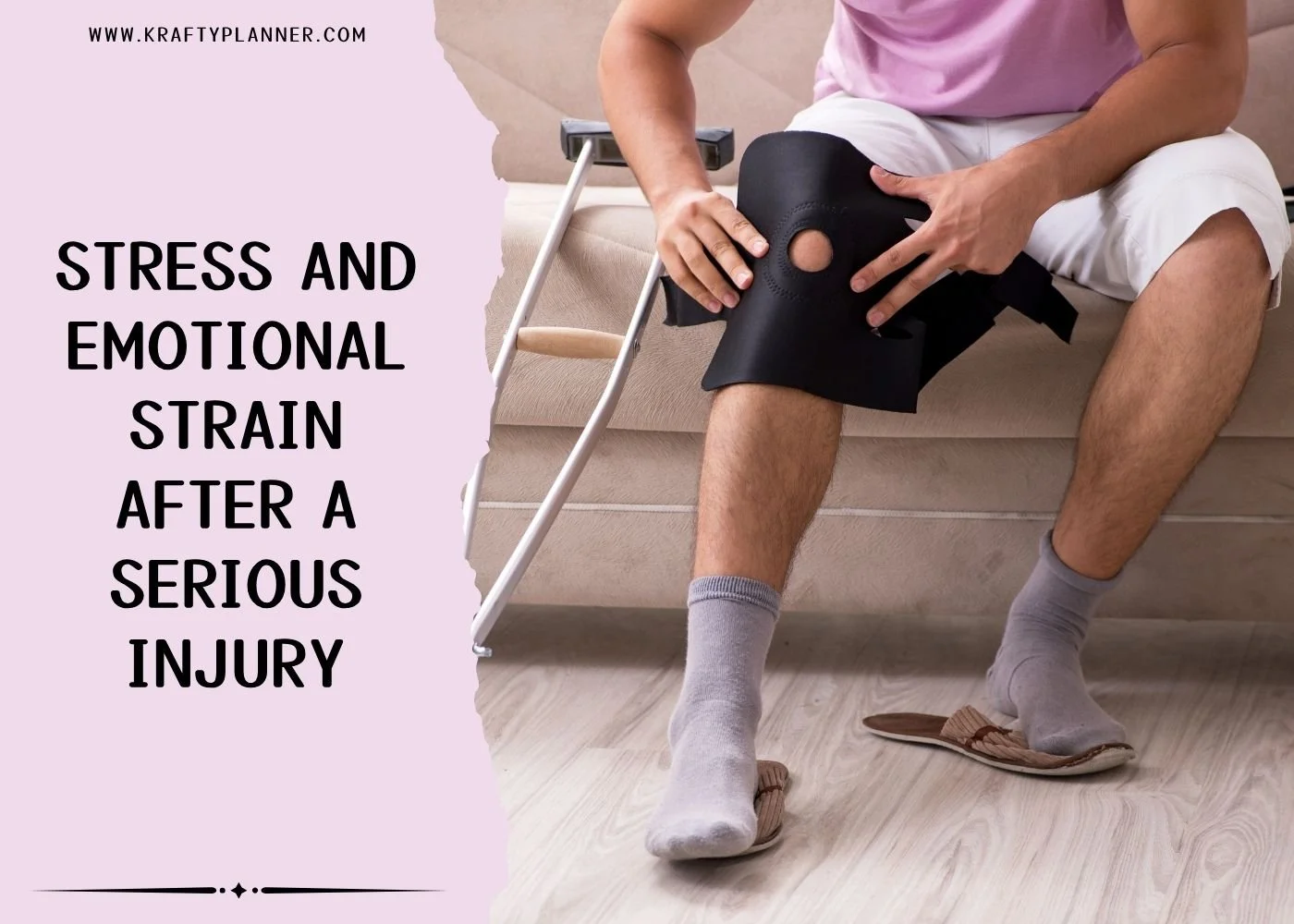
Suffering a serious injury can have a profound impact on both your physical health and your emotional well-being. The recovery process may be long and challenging, and the emotional strain that accompanies a physical injury can sometimes be just as debilitating as the injury itself.
In this article, we’ll explore the psychological toll that serious injuries can take on individuals and discuss strategies for managing stress, anxiety, and emotional strain during recovery.
Understanding the Emotional Impact of Injury
A serious injury can disrupt your life in many ways, and the emotional consequences are often underestimated. When faced with an injury, individuals may experience feelings of frustration, helplessness, or sadness.
The inability to engage in normal activities can lead to isolation, a lack of independence, and emotional distress.
It is important to recognize that emotional responses to injury are normal. These feelings, although challenging, are part of the healing process.
Seeking support from friends, family, or personal injury lawyers who specialize in injury cases can help you navigate both the legal and emotional aspects of recovery. Addressing the emotional side of recovery can improve well-being and contribute to a more positive healing experience.
Coping with Stress During Recovery
Stress is a natural reaction to the challenges that come with recovering from a serious injury. Physical pain, medical appointments, and the uncertainty of the recovery timeline can create a significant amount of anxiety.
It’s crucial to develop effective coping strategies to manage stress and prevent it from negatively affecting your emotional health.
Relaxation techniques, such as deep breathing exercises, meditation, or progressive muscle relaxation, can help reduce stress.
Dealing with Anxiety and Fear of the Future
One of the most common emotional responses to a serious injury is anxiety, especially about the future.
Concerns about not fully recovering, returning to work, or managing daily activities can cause significant worry. The uncertainty about the long-term effects of the injury can lead to a constant state of fear, which can exacerbate the emotional toll.
To address anxiety, it’s important to focus on what is within your control. Setting small, achievable goals each day and celebrating small victories can help manage overwhelming feelings about the future.
The Importance of Social Support
During recovery, it’s crucial to maintain a strong support network of family, friends, and loved ones. Isolation can exacerbate emotional strain and make the recovery process more difficult. Social support provides comfort, encouragement, and a sense of connection during a challenging time.
Family and friends can help with day-to-day tasks, attend medical appointments with you, or simply offer emotional support. If you don’t feel comfortable sharing your feelings with friends or family, consider joining a support group for individuals recovering from similar injuries.
Having a support network can help alleviate feelings of loneliness and provide reassurance during difficult moments.
Physical Limitations and Frustration
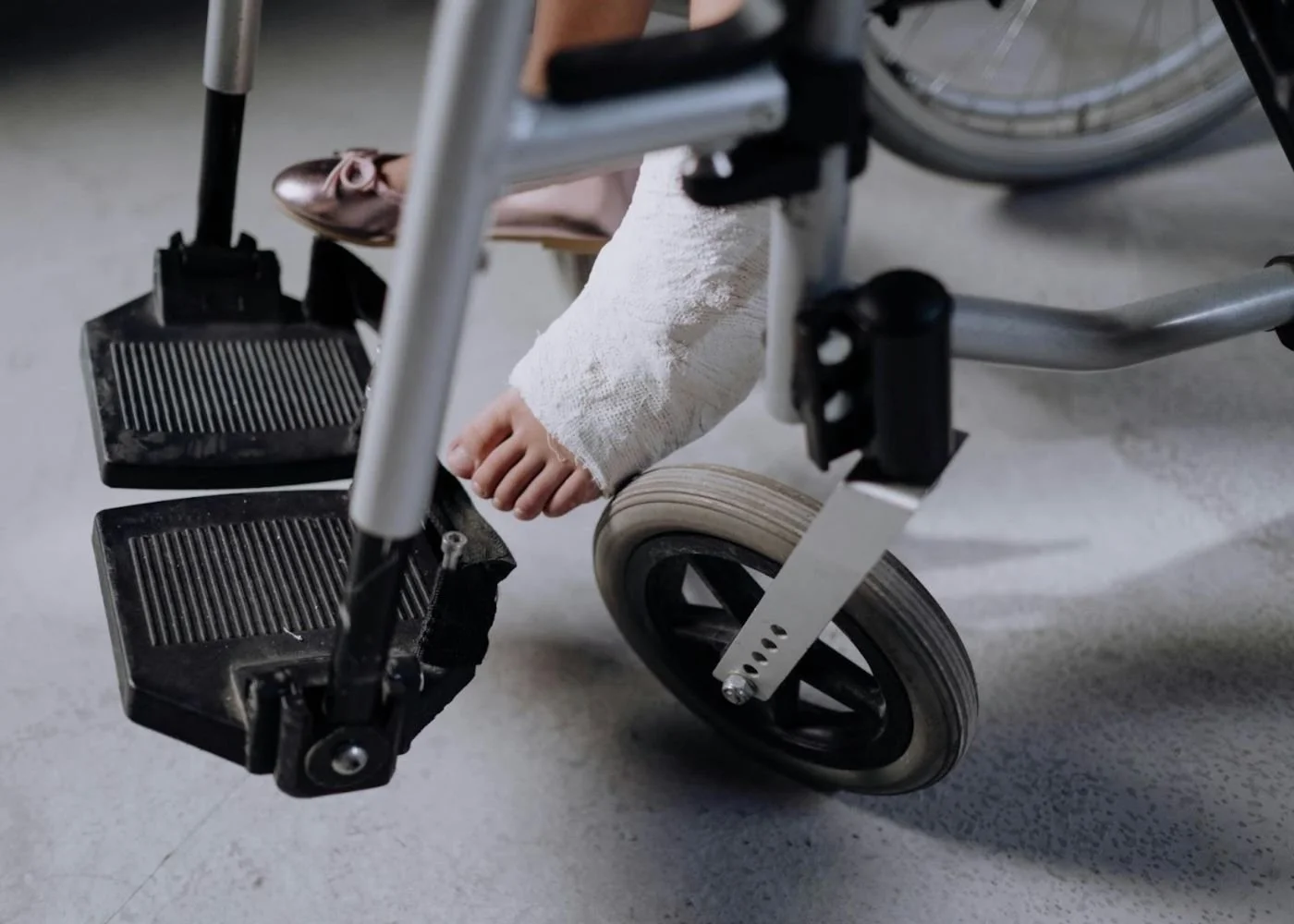
Dealing with physical limitations after a serious injury can be incredibly frustrating. Many individuals struggle with the inability to perform simple tasks they once took for granted.
This loss of independence can lead to feelings of anger, frustration, and low self-esteem. The emotional strain caused by physical limitations can hinder recovery, as frustration and stress can exacerbate physical symptoms.
To manage frustration, it’s important to focus on what you can do, rather than what you cannot. Set realistic expectations for your physical recovery and understand that healing takes time.
The Role of Professional Support
If emotional strain becomes overwhelming, seeking professional help is a crucial step in managing stress and anxiety.
A therapist or counselor can provide valuable support, helping you process your emotions and develop strategies for dealing with the psychological aspects of recovery. Therapy can help you address any trauma or negative thoughts that may arise as a result of the injury.
Lawyers may be able to recommend therapists or mental health professionals who specialize in helping individuals who have experienced serious injuries.
These professionals can work alongside your legal team to ensure that both your physical and emotional needs are addressed during the recovery process.
Legal and Financial Stress
Beyond the physical and emotional strain of recovery, serious injuries often bring financial and legal challenges. Medical bills, lost wages, and the potential need for long-term care can create additional stress during an already difficult time. Legal issues related to the injury, such as filing a claim or pursuing compensation, can contribute to feelings of overwhelm.
Working with an injury lawyer can help alleviate some of the financial and legal stress. A lawyer can assist with navigating the claims process, negotiating with insurance companies, and ensuring that you receive the compensation you deserve.
Recovering from a serious injury involves much more than just physical healing; it requires emotional and psychological recovery as well.
By addressing the emotional strain and stress that come with an injury, individuals can improve their chances of a full and holistic recovery.
Seeking support, developing effective coping strategies, and working with healthcare professionals and legal experts can help you navigate the complex challenges of recovery.
Before you go:
You might also be interested in…
How Truck Drivers Can File for Workers’ Compensation Benefits
Unlock Your Best Self: Strategies for Prioritizing Mental Health
FOR PERSONAL USE ONLY – Please Read Freebies Terms of Use
(This post may contain affiliate links. For more information, see mydisclosures here.)
~ SHARE THIS POST ~
Did you like this post? Do you know someone else who might enjoy it? Please take a minute to share it on Pinterest, Facebook, or your favorite social media… Thank you!














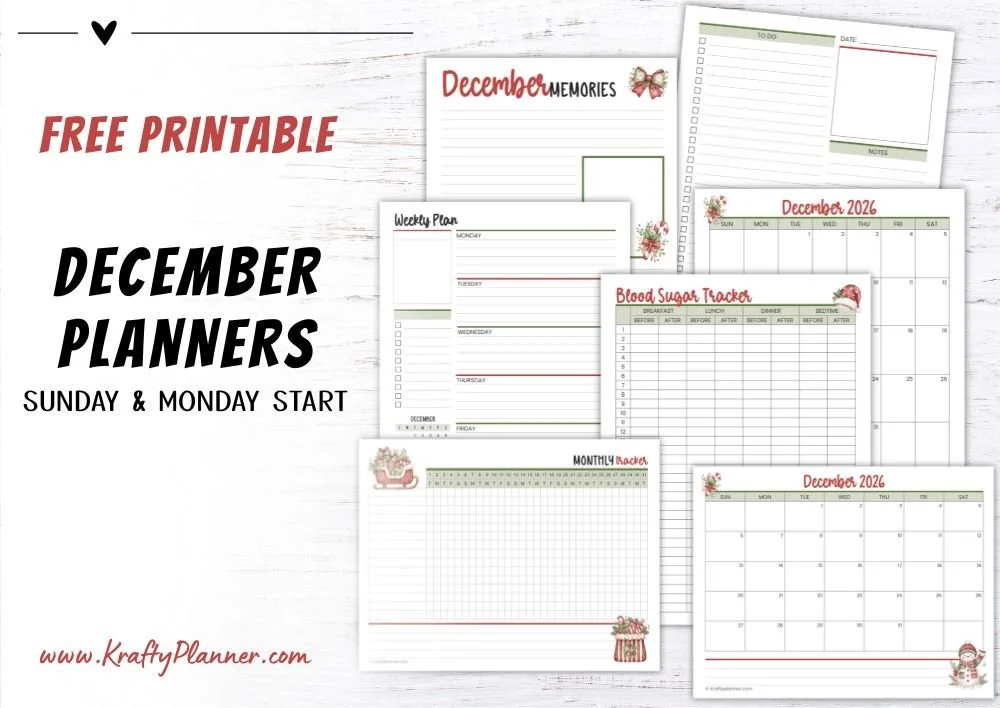




Download free December 2026 planner printables, including calendars, weekly and daily pages, a habit tracker, and more to stay organized all month long.