
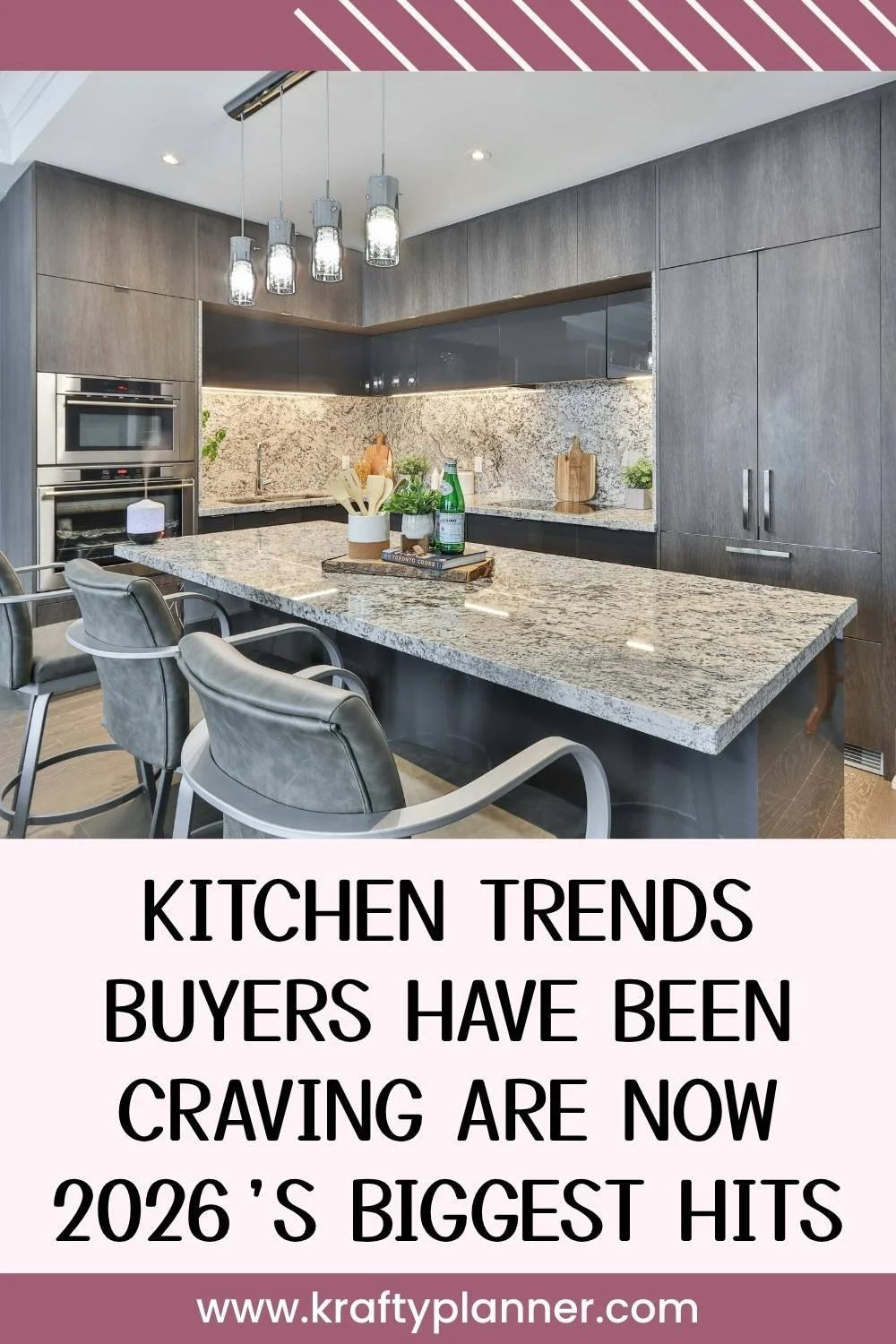
Kitchen Trends Buyers Have Been Craving Are 2026’s Biggest Hits

The kitchens that homeowners are craving right now look nothing like they used to, putting each and every member of the household first – even before the sole purpose of the room.
If you’re a passionate cook, the kitchens of the future will pamper you with ultra-functional spaces that can make any recipe cookable and enjoyable, from the seasoned Asian cuisine to the fresh Greek menus. And if you’re a dedicated host who wants to assure guests that not even the manager of a five-star hotel cares as much about their well-being and comfort as you do, you’re spoiled for choice with red-hot styles like the Japandi that we’re going to break down below (late spoiler alert).
The following kitchens have started to ride a wave of unwavering popularity, so familiarizing with them feels like just the very normal thing to do before starting to look them up online on Pinterest and kitchen design outlets.
Earthy finishes, a plenitude of colors, the beauty in the wear and tear of items, and more are about to reshape today’s kitchens into an oasis of contentment and fulfilment – a journey to meaning.

Japandi & Wabi-Sabi: When you thought interior design couldn’t get more mindful
You don’t have to be into puffed Japanese things like matcha and/or anime to get the essence of the Japandi and Wabi-Sabi styles or appreciate why they’re so hot in 2026, even beyond the east-Asian country’s borders.
These two styles, comparable on the surface but strikingly different at the core, have fundamentals we’re comfortably familiar with and remind of the Scandinavian minimalism and hygge concept.
The former rose to popularity during the 2010s thanks to its focus on bright, carefree design that put the individual’s comfort and contentment first. Now, the rather clinical, white, and once-beloved kitchen started to feel unwelcoming and cold starting with the pandemic, creating the perfect foundation for Japandi and Wabi-Sabi to make their entrance.
These two styles prioritize warmth, meaningfulness, connection, and everything craic, all through mindful planning and natural materials. Kitchens that embrace these styles are so authentically unique that they’re worth a quick breakdown:
Japandi is about items included to serve a purpose and create a breathable, light space where all things work in sync. It embraces the “less is more” dogma and invites you to reflect upon the value that each item brings to your space. Think neutrals like wood, beige, white, black, and gray as colors, soft textiles like cotton and wool, and materials like ceramics and stone.
Wabi-Sabi praises the transitoriness of happiness and life, the human flaw, and genuineness. It encourages you to see the splendor of the natural passage of time and wear in everything from the old teaspoon to the pottery that serves as an heirloom. Wabi alludes to the silent, modest charm that lies in plainness, intimating the beauty of imperfections and maturing. The preferred colors include beige, sage green, cream, and gray, surrounded by rough textures with visible cracks and flows that add meaningfulness and character.
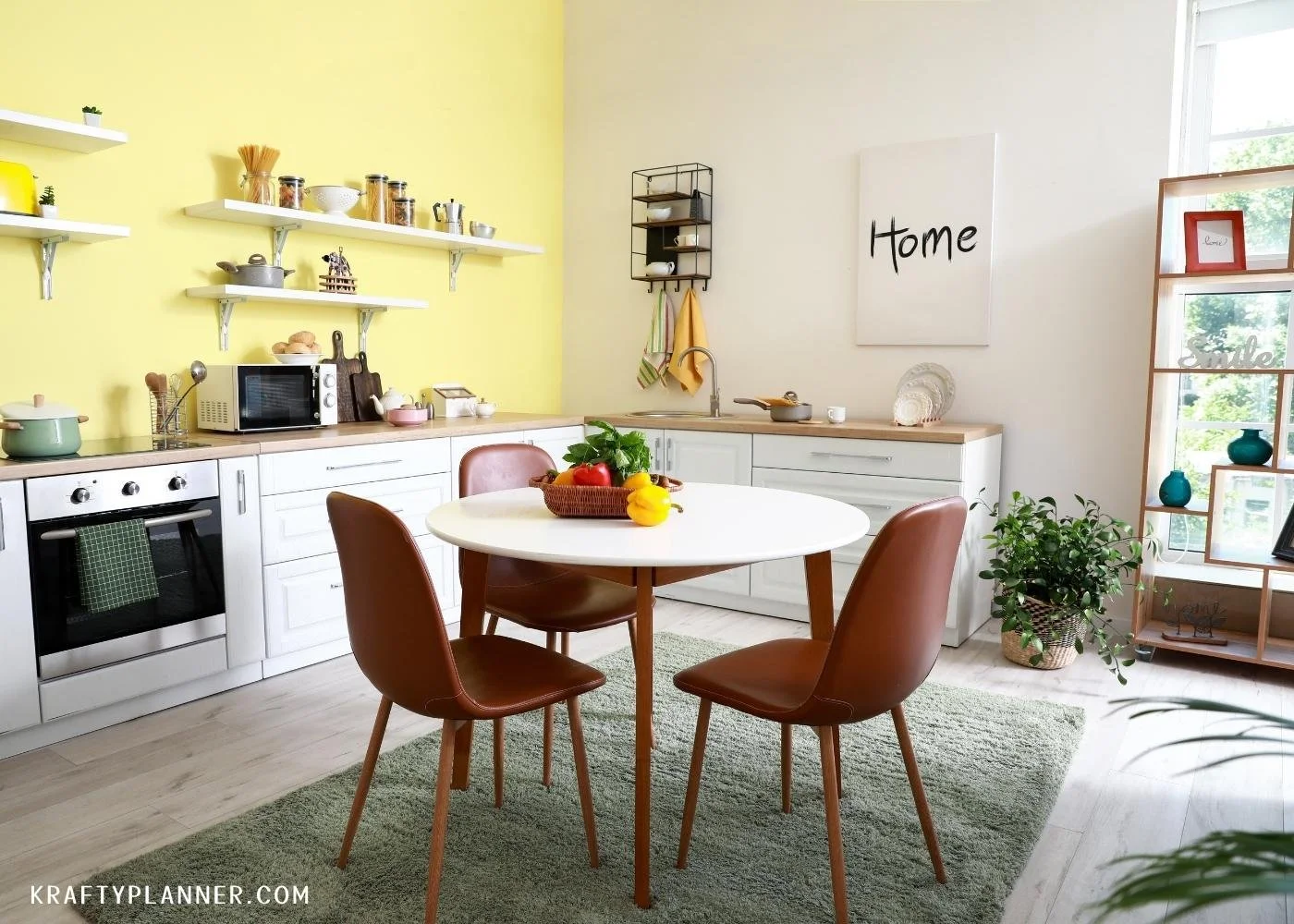
More colors, all over the place
Over the last few months, there’s been a rise in the desire to combine more finishes and colors in a single space to make it lively, and the confidence in their application has grown accordingly.
Homeowners are bolder and more determined to transform the kitchens of their dreams into a reality, shedding unnecessary prejudices where they existed and focusing on what really matters: the kitchen as a holistic safe space.
White is experiencing a quiet but well-deserved break, at least for the two upcoming years, more experts say. For those redoing their kitchens from scratch, stark white is barely even the tertiary color. Instead, warmer or colder combinations of these, such as soft beige, pure ivory, cream, coconut, and chiffon, are finding their way into kitchens, in smaller, less significant parts such as accessories, tiles, chair legs, and the list goes on.
The bulk of kitchens now have a minimum of two colors or finishes, with many more starting to integrate three, four, or even more of these.
Warm woods and earthy finishes
One of the most evident changes in kitchen design these days is the move from sterile, white spaces toward warmer, more natural hues and textures – and this tendency will persist, if not escalate, in the months to come.
White cabinets were once a staple, seen as elegant and timeless, but their fame has started to fade. Many homeowners are starting to opt for the timeless appeal of shaker kitchen cabinets that use different types of wood as materials and feature light or mid-tone finishes.
Warm woods like white oak will keep being a favorite, but sustainable alternatives like beige, brown, red, or black oak are expected to win the race by the end of 2026.
These options are more eco-conscious and accessible, and manage to replicate the oak’s grain quite successfully. Layered tones – imagine a light-stained cabinetry set with darker floors or accent units – make for a welcoming, grounded atmosphere.
In essence, this growing trend reflects a growing desire for kitchens that feel welcoming and cozy rather than clinical, like a patient waiting room.
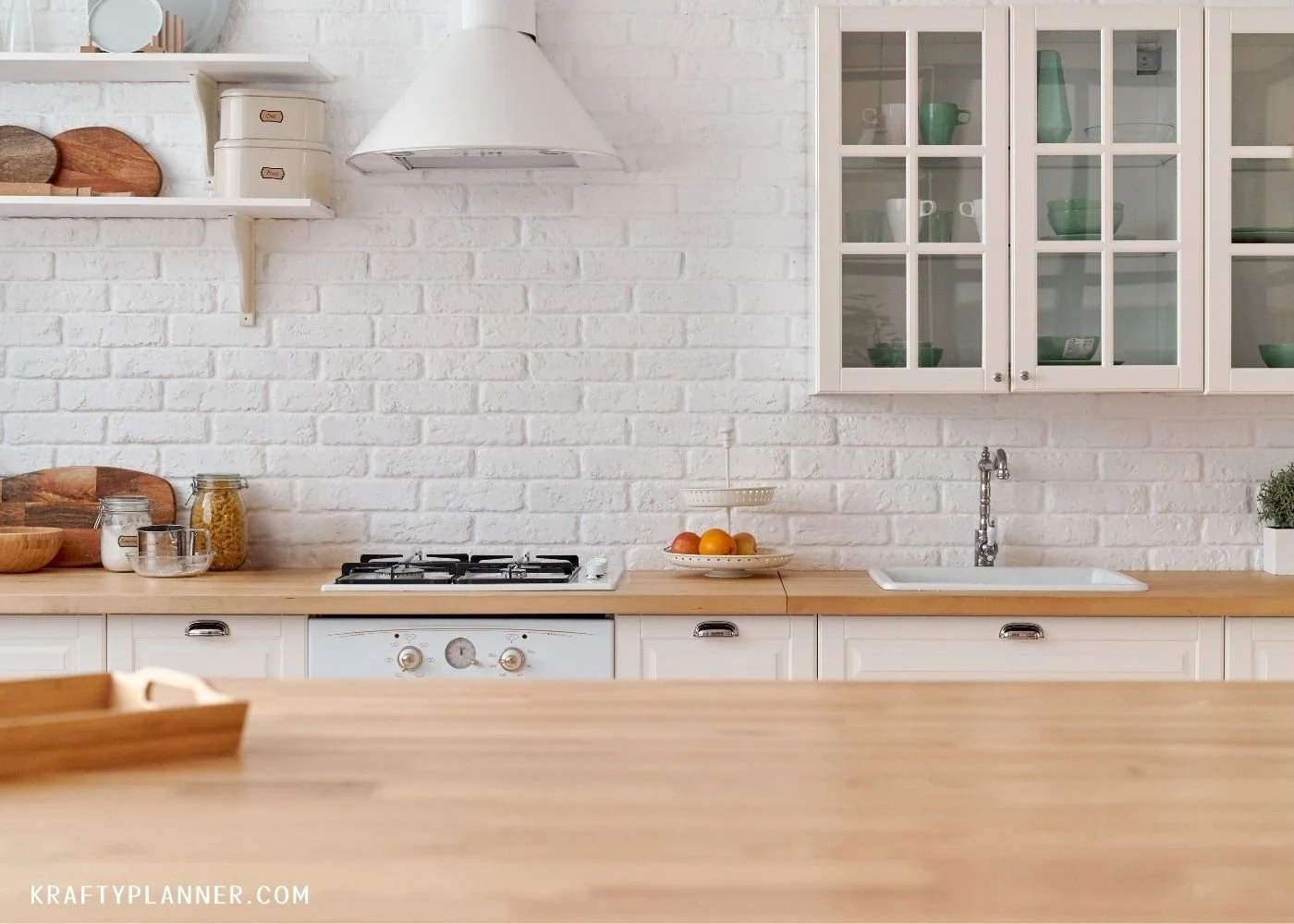
Where humble luxury and material contrast meet
The rise (and naturally consequent fall) of quiet luxury, a design philosophy focused on understated elegance, has made its way into the kitchen and brought to light the importance of boasting seamless craftsmanship, high-quality materials, and restrained palettes, rather than flashy details.
2026 kitchens aren’t minimal to the point of monotony; for right now, designers are introducing bold material contrasts to add visual richness. Imagine recycled composites paired with polished cherry wood, or veined marble integrated into steel frameworks, to name a few hotshots.
Homeowners are increasingly mindful of sustainability and durability, prioritizing quality over quantity and thus choosing fewer but better materials. Quiet luxury makes kitchens feel timeless, while contrasting textures prevent them from becoming flat or boring – a match made for those championing understated but extravagant elegance.
Bottom line
Kitchens in 2026 strike a balance between tradition and innovation, honoring craftsmanship and authenticity while embracing technology and sustainability.
Whether you’re planning a renovation or simply daydreaming, the trends ahead suggest that the kitchen will remain your home’s true heart – more functional, beautiful, and meaningful than ever before.
Before you go:
You might also be interested in…
How Wholesale Cabinets Help Contractors Cut Costs Without Cutting Corners
FOR PERSONAL USE ONLY – Please Read Freebies Terms of Use
(This post may contain affiliate links. For more information, see my disclosures here.)
~ SHARE THIS POST ~

Did you like this post? Do you know someone else who might enjoy it? Please take a minute to share it on Pinterest, Facebook, or your favorite social media… Thank you!


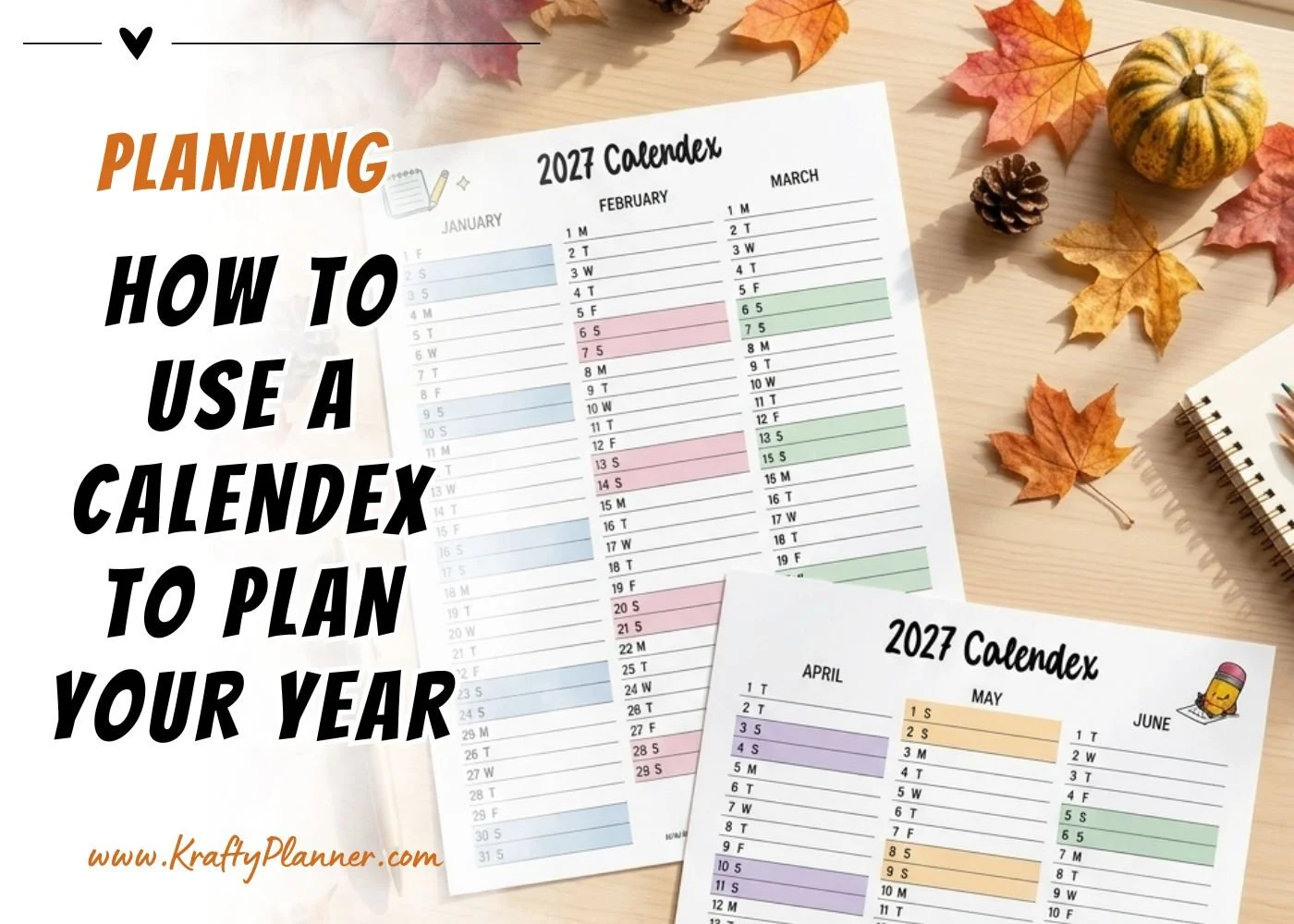













Planning your year as a caregiver? Learn how to organize caregiving expenses, appointments, routines, and respite while protecting your budget and energy.