

Flip back through last year's planner and you will probably find the same note copied forward three or four times: "clean gutters." It moves from April to May, then to a sticky note in July, and by October it has quietly disappeared. Home maintenance never feels urgent until something drips, smells or crawls.
A seasonal home-maintenance tracker fixes that better than almost any other printable you can tuck into a planner. It turns vague chores into dated, repeatable tasks, and it catches the small jobs that keep insects, rodents and moisture out of your house. You need only one page: four seasonal columns, a supply list and a service log.
Where you live shapes what goes on that page. In humid central Florida lake towns, subterranean termites swarm in spring and ants push indoors after summer downpours, so many households schedule a quarterly visit from a Mount Dora pest control provider and write that appointment into the tracker alongside their own checks. In any climate, the aim is to plan prevention rather than react to damage. These are the mistakes that most often get in the way.
Saving every chore for one big weekend
The most common planning mistake is treating home maintenance as an annual project. You block off a Saturday in spring, try to do everything, run out of daylight by 3 p.m., and push the rest to "later." Pests keep their own calendar. Wasps build nests in late spring. Mice hunt for warm entry points in fall. Gutters fill with leaves right after you clean them.
Spread the work across the year instead. Divide your printable into four columns, one per season, and put each task in the month it matters. Spring gets screen repairs and a foundation walk; summer, drainage and yard checks; fall, gutters and door sweeps; winter, attic and basement inspections. Then copy each month's two or three tasks into your monthly spread, next to birthdays and bill dates, where you will actually see them.
Small batches get finished.

Overlooking the gaps that let pests in
Most infestations start with an opening you could have closed in ten minutes. A mouse can squeeze through a gap about the width of a pencil, and many insects need far less. Clogged gutters hold standing water that breeds mosquitoes, and they soak fascia boards until the wood softens, which is exactly what carpenter ants and termites look for.
Give these checks their own row on your tracker so they never get lumped into "general cleaning." A simple printable checklist might include:
Run a finger along window and door seals and recaulk any cracked or shrinking spots.
Slide a sheet of paper under each door sweep; if it passes easily, replace the sweep.
Clear gutters and make sure downspouts empty at least three feet from the foundation.
Pull mulch and stored firewood several inches back from the siding.
Look under sinks and around the water heater for slow leaks or damp cabinet floors.
Add a checkbox and a date line next to each item. Once you can see that the last seal check was eighteen months ago, the task stops feeling optional.
Recording problems only after the damage appears
Many planners have a "house issues" page that stays blank until something goes wrong: droppings in the pantry, a sagging baseboard, wings on the windowsill. By then, the problem has usually been growing for weeks or months. Use the tracker as an early-warning log instead of a damage report.
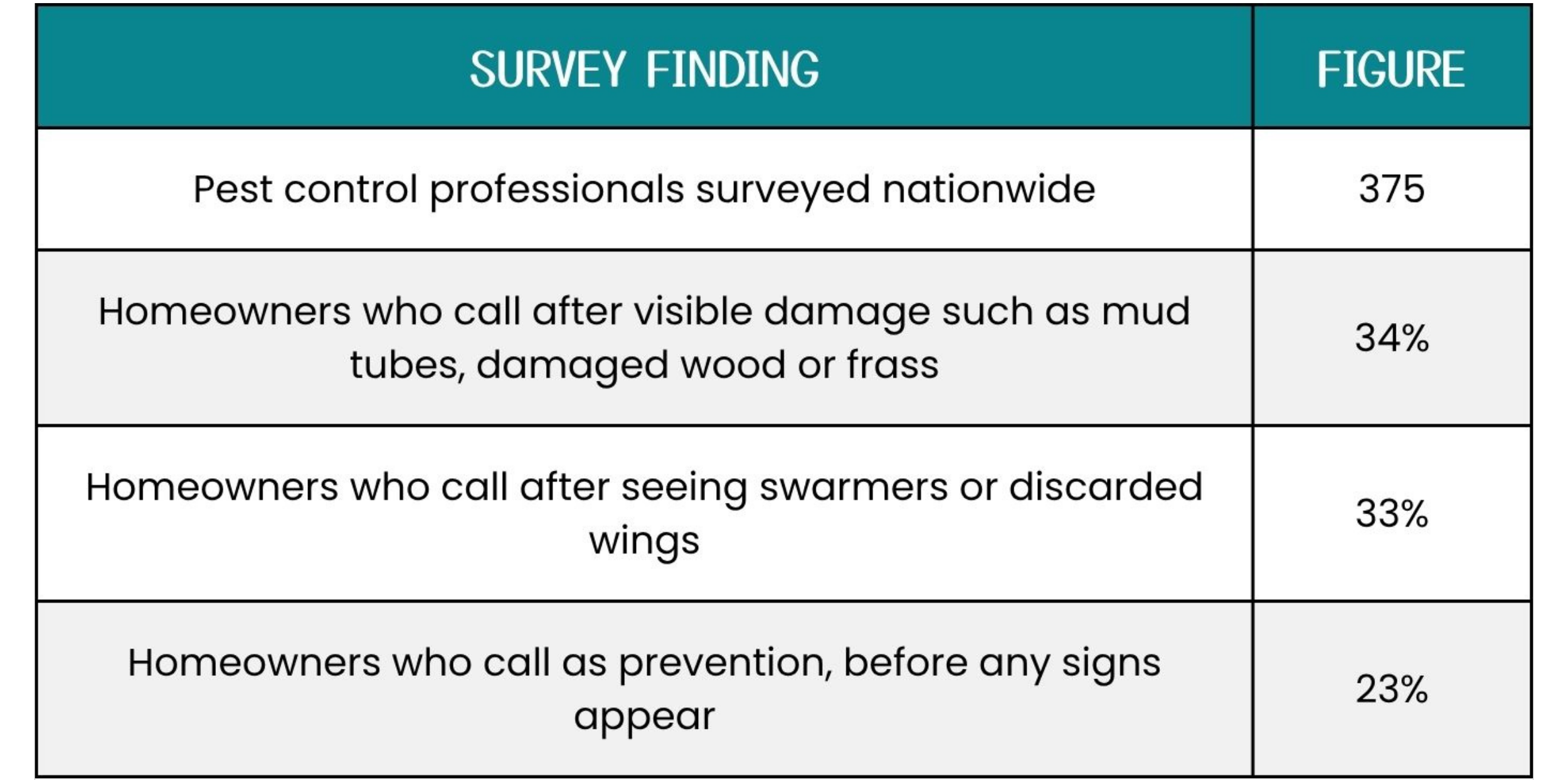
Most homeowners take the reactive route. According to Pestworld, only about 23% of homeowners bring in a termite professional as a preventative measure, while most wait until they see damaged wood, mud tubes, swarmers, or discarded wings, based on a spring 2025 survey run with the University of Florida.
To join that smaller, preventive group, add an "observations" box to each seasonal column and write down anything slightly off: a few ants near the dishwasher, sawdust-like specks under a window frame, a musty smell in a closet. One note means little. Three notes about ants in the same corner over two months is a pattern worth acting on, and your planner is the only place that pattern will show up.
Keeping supplies and service dates in your head
The last mistake is trusting memory with the details. You know you bought caulk at some point, but not whether it is still usable. You remember someone treated the house, but not whether it was last spring or two years ago. When everyone in the household holds a different piece of the story, nothing gets done on time.
Build a shared log on the back of your tracker with three sections. First, a supply list with reorder notes: caulk, weatherstripping, door sweeps, ant bait stations, filters and gutter scoops, plus a line for where each item is stored. Second, a service log recording the date, the company or person, what was done, and when the next visit is due. Third, a short "call a professional when" list: mud tubes on the foundation, swarmers indoors, droppings in more than one room.
Keep the page where everyone can reach it, like a clipboard inside the pantry door, not buried in one person's bag. If your partner spots damp drywall while you are away, they can check the log, see when the last inspection happened, and make the call without waiting for you.
This week, print a blank seasonal tracker and fill in only the next three months. Put your first seal check on a specific Saturday morning, and list the caulk, sweeps, or weatherstripping you need to buy before then. When October comes, "clean gutters" should be a dated box with a check in it, not a note you copied forward again.
Before you go:
You might also be interested in…
Hidden Pest Problems That Sabotage Your Home Organization Plans
Warm Weather Ant Problems: Easy Prevention Tips for Homeowners
Organized Home Spaces That Encourage a More Relaxed Lifestyle
(This post may contain affiliate links. For more information, see my disclosures here.)
~ SHARE THIS POST ~

Did you like this post? Do you know someone else who might enjoy it? Please take a minute to share it on Pinterest, Facebook, or your favorite social media… Thank you!
















Bring structure and a little joy to your everyday planning with the 2027 Everything Planner.
Dated from January through December 2027, this full-size planner (8.5" × 11") is designed to help you organize your schedule, set meaningful goals, and keep track of the things that matter most—all while making planning something you’ll actually enjoy.
Thoughtfully designed and handmade in my studio in Seneca Falls, New York, every planner is printed on premium paper, bound with a durable, clear coil, and finished with a soft-touch matte floral cover. It lays flat for easy writing and is ready to use right out of the package.
What's Inside
2027 & 2028 Year-at-a-Glance Calendars
Yearly Goal Planning Pages
Books to Read List
My Dreams List
Level 10 Life Worksheets
Yearly Reflection Pages
Monthly Cover Pages
Two-Page Monthly Calendars
Monthly Planning & Goal Pages
Monthly Tasks & Habit Tracker
Dated Weekly Planning Pages
Monthly Review & Notes Pages
End-of-Year Review
Product Details
Size: 8.5" × 11"
256 premium printed pages
Soft-touch matte laminated cover
Durable clear coil binding
Lays flat while writing
Handmade in Seneca Falls, New York
Why You'll Love It
The Everything Planner was created to be more than just a calendar. It's a place to organize your schedule, capture ideas, work toward your goals, and create routines that help you build an intentional life.
The thoughtfully designed layouts give you plenty of room to plan in a way that works for you.
Whether you're organizing work, school, family life, or personal goals, this planner is designed to help you P.L.A.N. Everything:
Productivity • Lifestyle • Accountability • New Beginnings
Each planner is carefully printed, assembled, and packaged by hand before being shipped directly to you.




Avoid costly home repairs with a simple seasonal maintenance planner. Catch hidden gaps, schedule pest prevention, and keep your home protected all year!