
Warm Weather Ant Problems: Easy Prevention Tips for Homeowners
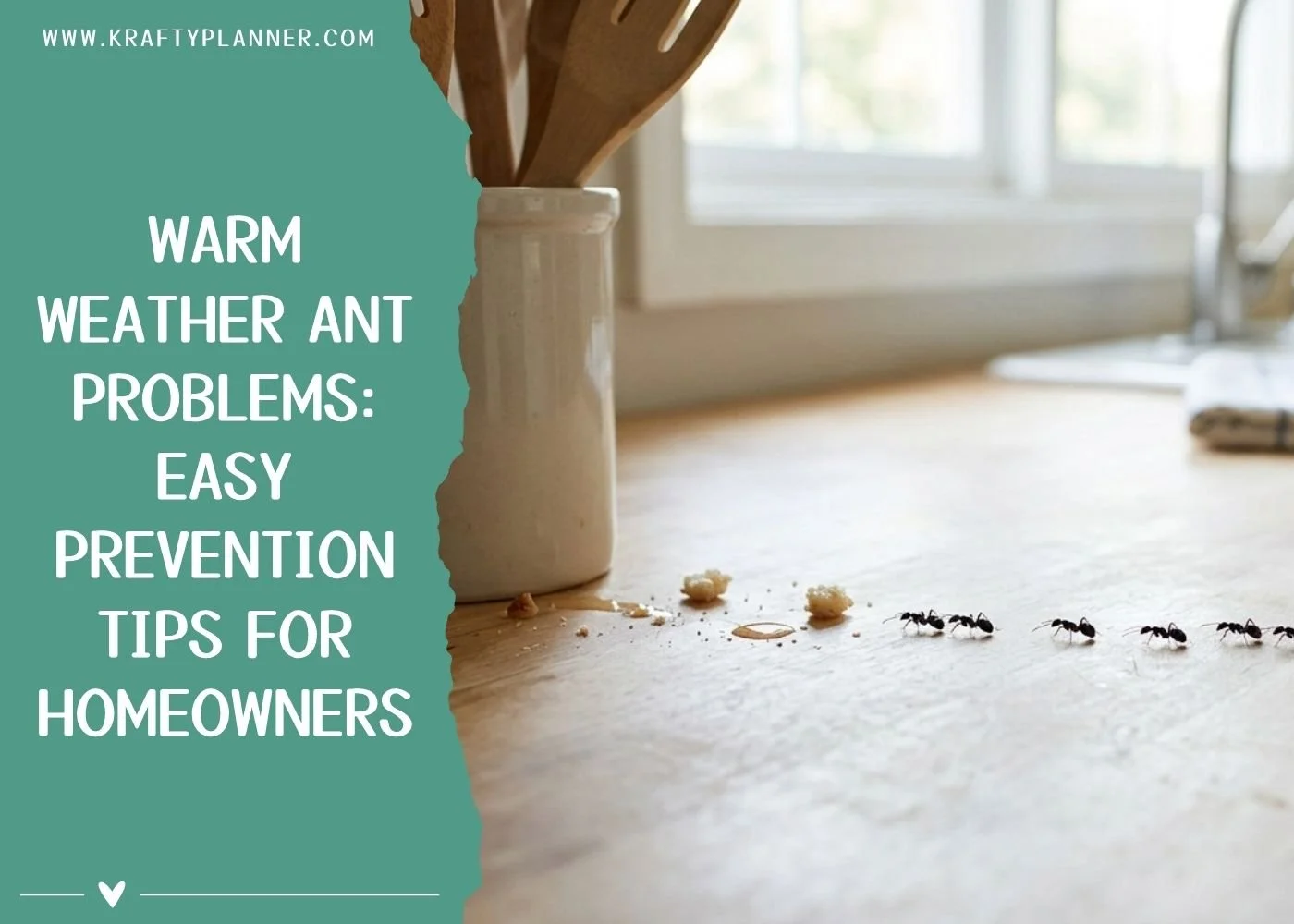
As temperatures rise, ant activity tends to rise right along with them. One day, everything seems normal, and the next, you're spotting a trail of ants marching across your kitchen counter or gathering near a window.
Spring and summer create ideal conditions for ants to search for food, water, and shelter. While seeing a few ants may not seem like a big deal, those early visitors can quickly lead to a larger infestation if they find what they're looking for inside your home.
Luckily, a few simple prevention habits can help you avoid bigger problems later. Here's how to keep ants out of your home and reduce the risk of infestations during peak ant season.
Why Ant Problems Increase in Warm Weather
Warm weather naturally increases ant activity. As temperatures rise, colonies become more active, expand their nesting areas, and send workers out to search for resources.
Dry conditions can drive ants indoors in search of water, while periods of heavy rain may force outdoor colonies to relocate. Summer activities can also contribute to the problem: open doors, outdoor gatherings, and increased food preparation create more opportunities for ants to find their way inside.
And even if you only notice a few ants, it's worth paying attention. Once ants discover a reliable food source, they leave scent trails that guide the rest of the colony directly to it.

Kitchens Are One of the Biggest Ant Hotspots
Your kitchen contains many of the things ants need to survive: crumbs, sugary spills, grease residue, pet food, and overflowing trash cans can attract ants quickly. Sugar ants and grease ants are especially common in kitchens because food sources are readily available.
Pay close attention to:
Countertops
Pantries
Sinks
Pet feeding areas
Trash and recycling bins
Even tiny food particles left behind overnight can encourage ant activity, so wiping down surfaces daily, storing food properly, and cleaning dishes promptly can help prevent recurring pest infestations before they begin.
Moisture Around the Home Attracts Ants
Food attracts ants, but water is just as important. During hot weather, ants actively seek reliable moisture sources. Leaky faucets, damp sinks, condensation, standing water, and plumbing leaks can all make your home more appealing.
Areas that commonly attract ants include bathrooms, kitchens, laundry rooms, basements, and crawl spaces. Take some time to fix leaks quickly and reduce indoor humidity, both of which can help prevent ants naturally while making your home less attractive to a variety of pests.
Small Entry Points Make It Easy for Ants to Get Inside
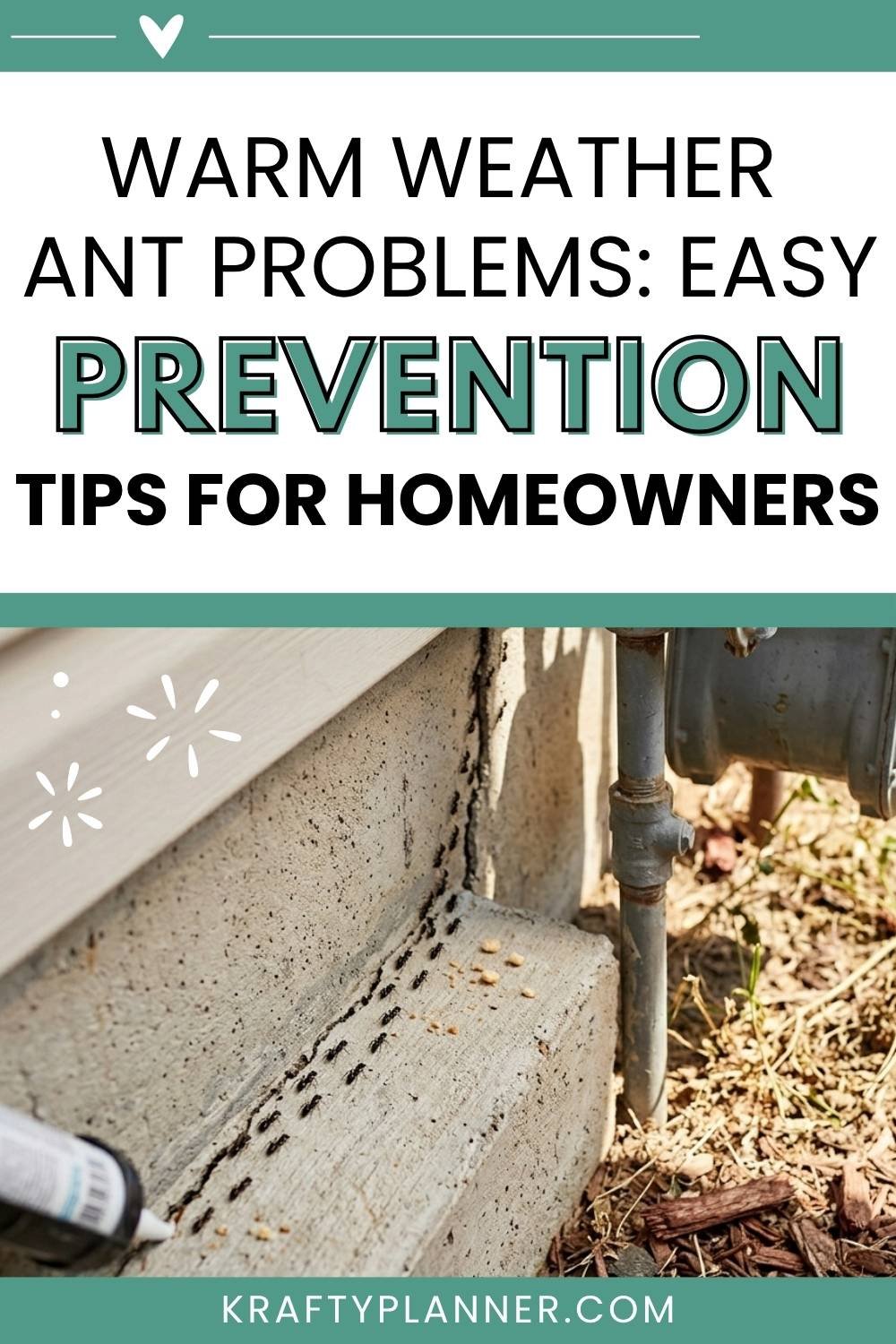
Ants don't need much space to enter your home. Tiny cracks around windows, doors, foundations, and utility lines can provide them with easy access. Once a scout ant finds food indoors, it leaves behind a scent trail that other ants can follow.
Many entry points go unnoticed until you start seeing ant trails regularly, so be proactive and inspect your home's exterior periodically, sealing gaps with caulk where appropriate. Replacing worn weather stripping around doors and windows can also help limit their access.
Outdoor Conditions Can Increase Indoor Ant Activity
What's happening outside your home often affects what happens inside. Mulch beds, standing water, wood piles, overgrown landscaping, and outdoor food sources can all attract ants close to your property. Pet bowls, grills, bird feeders, and garbage containers may contribute as well.
During heat waves or heavy rain, ants frequently move indoors searching for more favorable conditions. To reduce risk:
Trim vegetation away from exterior walls
Eliminate standing water
Store firewood away from the foundation
Keep outdoor trash containers sealed

Store Food Properly During Summer Months
If you leave snacks, cereal boxes, pet food, or sugary drinks unsealed, ants may quickly discover them. Once they find an easy food source, they'll continue returning. Unfortunately, warm temperatures can increase food odors and make pantry items more attractive to pests.
Using airtight containers helps protect your food while reducing opportunities for ants to feed. It's also a good idea to regularly clean pantry shelves and cabinets where crumbs may accumulate over time.
Watch for Early Warning Signs of Ant Infestations
Catching ant activity early can save you from dealing with a larger infestation later. Be on the lookout for common warning signs such as:
Ant trails along countertops or baseboards
Increased activity after rain
Ants gathering near doors and windows
Small piles of dirt or debris near entry points
While ants may be the first thing you notice, the same conditions can attract carpenter ants, rodents, and other pests. Moisture issues and food availability often contribute to multiple pest problems at the same time. And remember: addressing ant activity early is usually much easier than eliminating a large colony.
Reduce Indoor and Outdoor Clutter
Clutter gives pests places to hide. Storage rooms, basements, garages, and crawl spaces can become ideal nesting areas when they are crowded with boxes, supplies, or unused items. Outdoor clutter near your foundation can create similar problems.
Keeping your storage areas organized makes it easier to spot pest activity before it grows into a larger issue, and regularly removing unnecessary debris can help reduce potential shelter for ants and other insects, too.
Prevention Is Easier Than Eliminating an Infestation
Once ants establish themselves inside your home, they become much harder to remove. That's why seasonal pest prevention is often the most effective strategy. Consistent habits like cleaning up food, reducing moisture, sealing entry points, and maintaining your property can dramatically lower your risk of infestation. The TL;DR is this: a little attention now can help you avoid a much bigger pest problem later.
Professional Pest Prevention Helps With Recurring Problems
Sometimes ant problems continue returning, no matter how careful you are. If you're dealing with recurring infestations, there may be hidden colonies, unnoticed moisture issues, or entry points that aren't immediately obvious. Professional pest control specialists can identify the root cause of the problem and recommend long-term solutions.
If ant activity keeps coming back despite your prevention efforts, it may be time to hire experts who can help protect your home and reduce future infestations.
Warm-weather ant problems are common, but they don't have to take over your home. By staying proactive, controlling moisture, storing food properly, and responding quickly to early warning signs, you can enjoy a cleaner, more comfortable, and more pest-free summer.
Before you go:
You might also be interested in…
FOR PERSONAL USE ONLY – Please Read Freebies Terms of Use
(This post may contain affiliate links. For more information, see my disclosures here.)
~ SHARE THIS POST ~

Did you like this post? Do you know someone else who might enjoy it? Please take a minute to share it on Pinterest, Facebook, or your favorite social media… Thank you!



















Download a free printable 2027 half-size calendar in 5.5 × 8.5 inches. Choose Sunday or Monday start, with options for half-size or letter-size printing.