
How to Sell Something Valuable Without the Stress

Letting go of a valuable item can feel like a big decision. You want a fair price, a smooth process, and no headaches later.
With a little planning, you can protect yourself and get results. Use this guide to move from “I should sell this” to money in the bank.
Decide What You’re Really Selling
Start by naming the exact item and its defining traits. Note brand, model, year, size, and condition, plus serial numbers or upgrades. Add provenance, service history, and warranties. Gather receipts, manuals, and appraisals so the facts are easy to confirm.
Then make two lists: what makes it special and what might worry a buyer. Be candid about flaws or wear. Fix simple issues, clean thoroughly, and group accessories and boxes. Small prep steps can raise value, speed decisions, and reduce haggling.
Take clear, well-lit photos from multiple angles and distances. Include close-ups of labels, imperfections, and extras. Use a neutral background and steady framing. Pair images with concise notes. Honest visuals and details build trust and cut back and forth.
Pick The Path That Fits Your Timeline
Clarify what matters most: speed, price, or convenience. If speed leads, pick a sale route with minimal steps and paperwork, like local cash buyers or immediate purchase programs. If top dollar is the goal, plan for broader marketing and a longer runway.
Sometimes you need to move fast. That’s when you might sell a mobile home quickly in Palatka as part of a larger plan. If you can wait, open the field to more buyers, compare offers, and negotiate terms. Match the method to your priority so you don’t stall halfway through the process or accept avoidable tradeoffs.
Create a simple timeline with checkpoints. Put dates on cleaning, photos, listing, showings, and closing. Add buffers for inspections, title work, and funding. Set decision rules in advance, like your minimum price or the date you pivot strategies, to keep momentum.
Choose The Right Marketplace
Different platforms serve different buyers. Map where your buyer shops. Rare or niche items do best on specialty forums or auction sites that attract collectors. Everyday goods often move faster on local apps and local groups.
Check rules and costs before you list. A business guide noted that a major auction site offers some free listings each month, then a small per-listing fee, which is helpful when testing demand without upfront spend.
For bulky or fragile pieces, local listing apps can beat shipping. Meet in a safe place, bring a friend, and use cash or verified payments. For titled items, hand off at a bank or tag office to finish paperwork.

Price With A Plan
Start with sale prices, not asking prices. Pull comps that match condition, age, and extras, and note any regional differences. Adjust for defects or upgrades with simple math, so your number isn’t wishful. Add in platform fees, shipping, packing, and possible taxes to see your true net.
Set a simple pricing strategy. Pick a list price, a firm floor, and a couple of concessions you can use in negotiation. Establish a reduction cadence if interest is slow, like small cuts every 7 to 10 days. Track buyer messages, views, and saves to learn if price or presentation is the issue.
When offers arrive, reply quickly and keep it courteous. Counter with facts from your comps and add value with clean pickup or bundled extras. Limit contingencies, ask for a small deposit, and set clear payment and handoff steps. Put every term in writing before you mark it sold.
Prepare The Paper Trail
Gather receipts, manuals, appraisals, and any certificates. Put them in a single folder so you can share copies quickly. Paperwork builds trust, proves condition and ownership, and speeds payment when a buyer is ready.
For titled property in Florida, know your deadlines. You must apply for title transfer within a set window, and missing it can trigger a small fee. Plan your steps before you accept funds so signatures, IDs, and any lien releases are ready at hand.
Use a simple bill of sale that lists the item, price, date, names, and contact details. Add the serial or VIN if it exists. All parties should sign and keep a copy for their records.
If you’re planning to keep everything online via a storage folder or the cloud, ensure you use a free VPN for Android or iPhone. This will reduce the risk when entering your personal details while using these services in public.
Time The Sale To Your Market
Markets move, so timing matters. Watch local trends, seasonal swings, and buyer activity before you list. Track comparable sales, average days on market, and price reductions to gauge momentum. Holidays and weather can shift demand, so plan around them.
A Putnam County update showed higher median home prices paired with longer time on market, which suggests pricing discipline and patience matter locally. Use that context to set expectations, choose a realistic window, and avoid chasing the market down. If indicators cool, consider listing earlier rather than waiting for a perfect weekend.
If demand is soft, sweeten the deal. Polish presentation, offer flexible pickup or closing, and bundle useful extras. Small conveniences can tip a cautious buyer into yes.
Selling something valuable can feel stressful, but a steady plan makes it manageable. Clarify your goal, set your price, and choose the market that matches your timeline.
Do the small steps right, and the rest follows. With clean photos, clear terms, and complete paperwork, you’ll turn a valuable item into money with less friction.
Before you go:
You might also be interested in…
FOR PERSONAL USE ONLY – Please Read Freebies Terms of Use
(This post may contain affiliate links. For more information, see mydisclosures here.)
~ SHARE THIS POST ~
Did you like this post? Do you know someone else who might enjoy it? Please take a minute to share it on Pinterest, Facebook, or your favorite social media… Thank you!










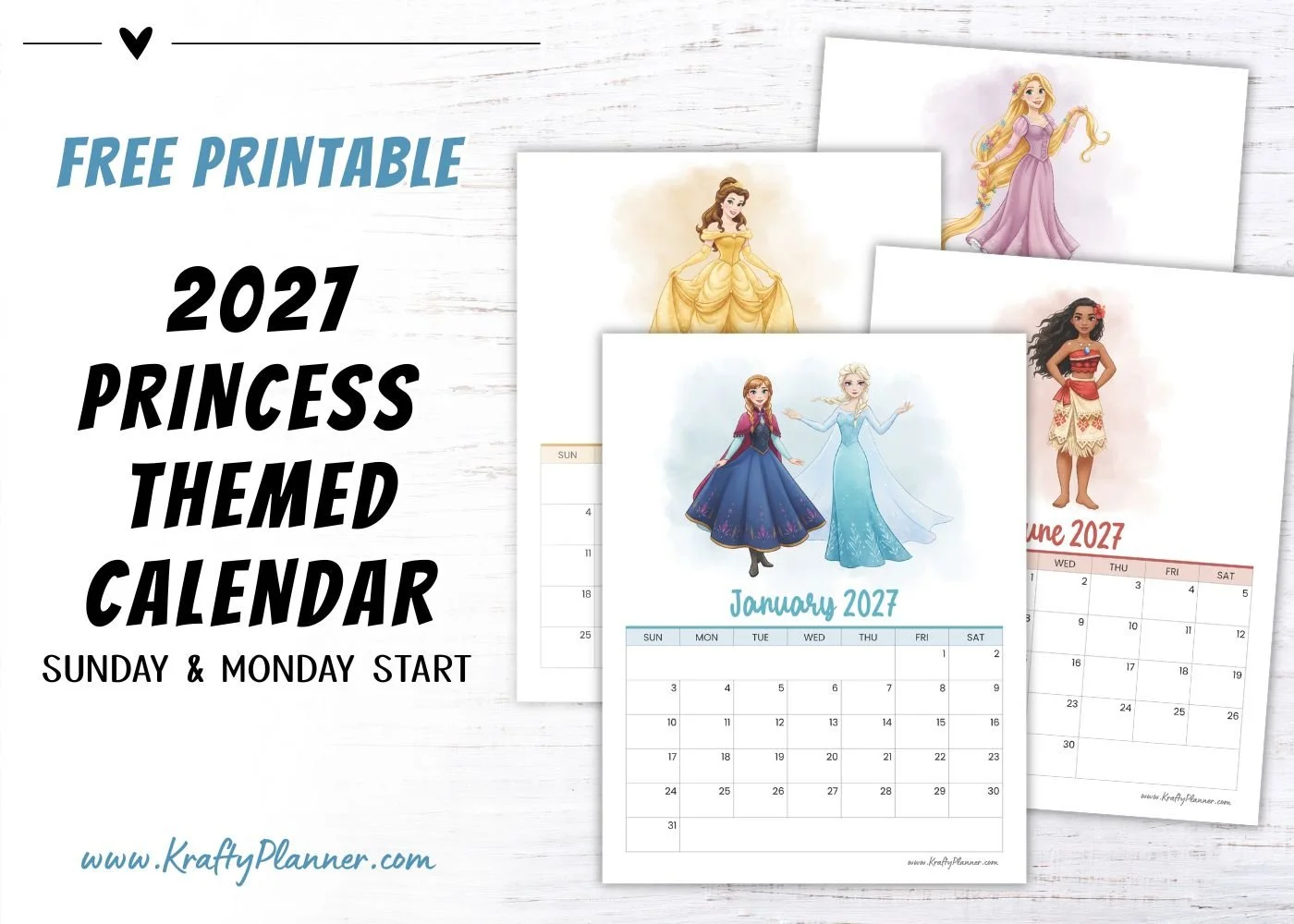


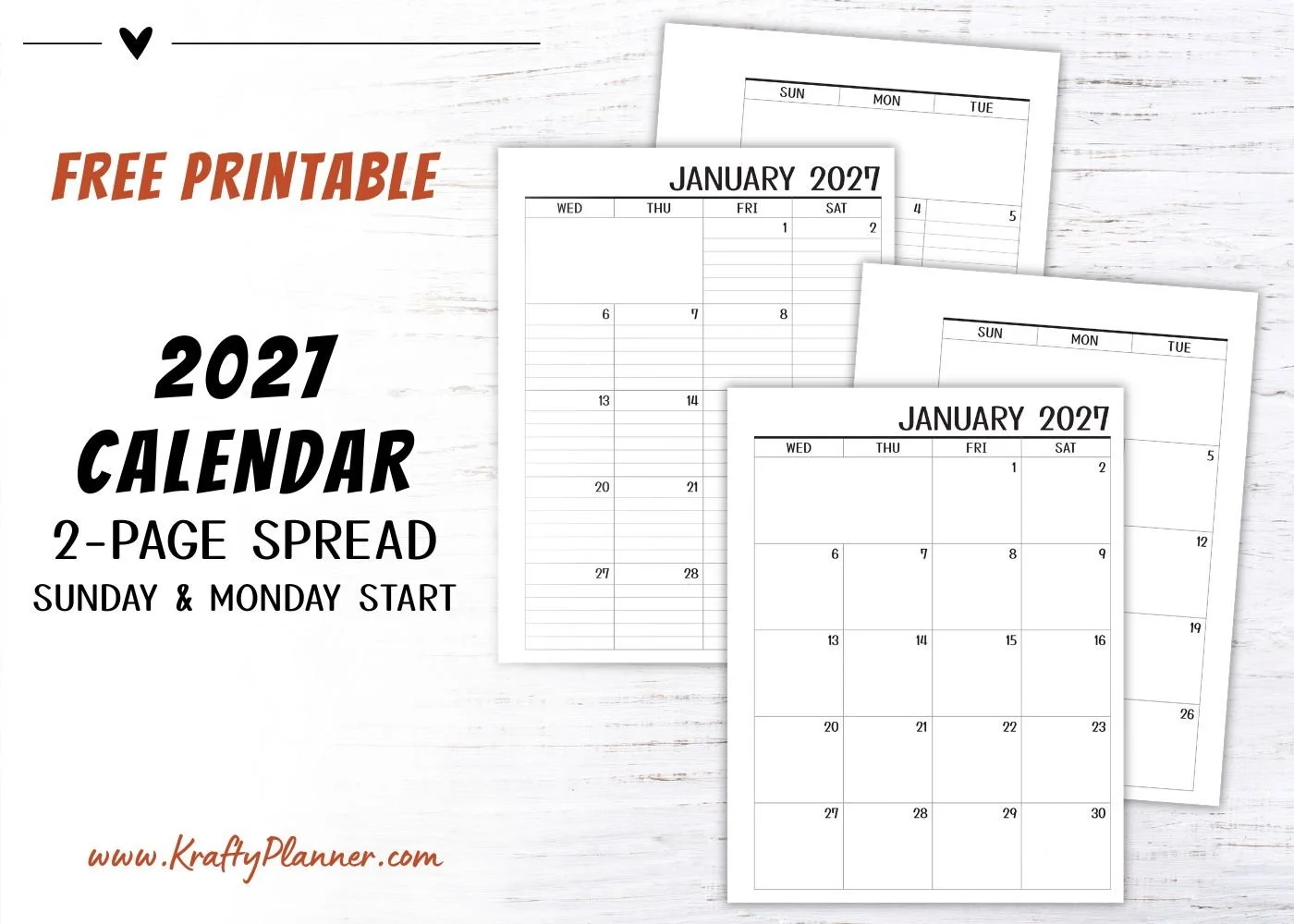


Download a free printable 2027 Princess-themed calendar with fun character illustrations. Choose Sunday or Monday start & add some personality to your planning