
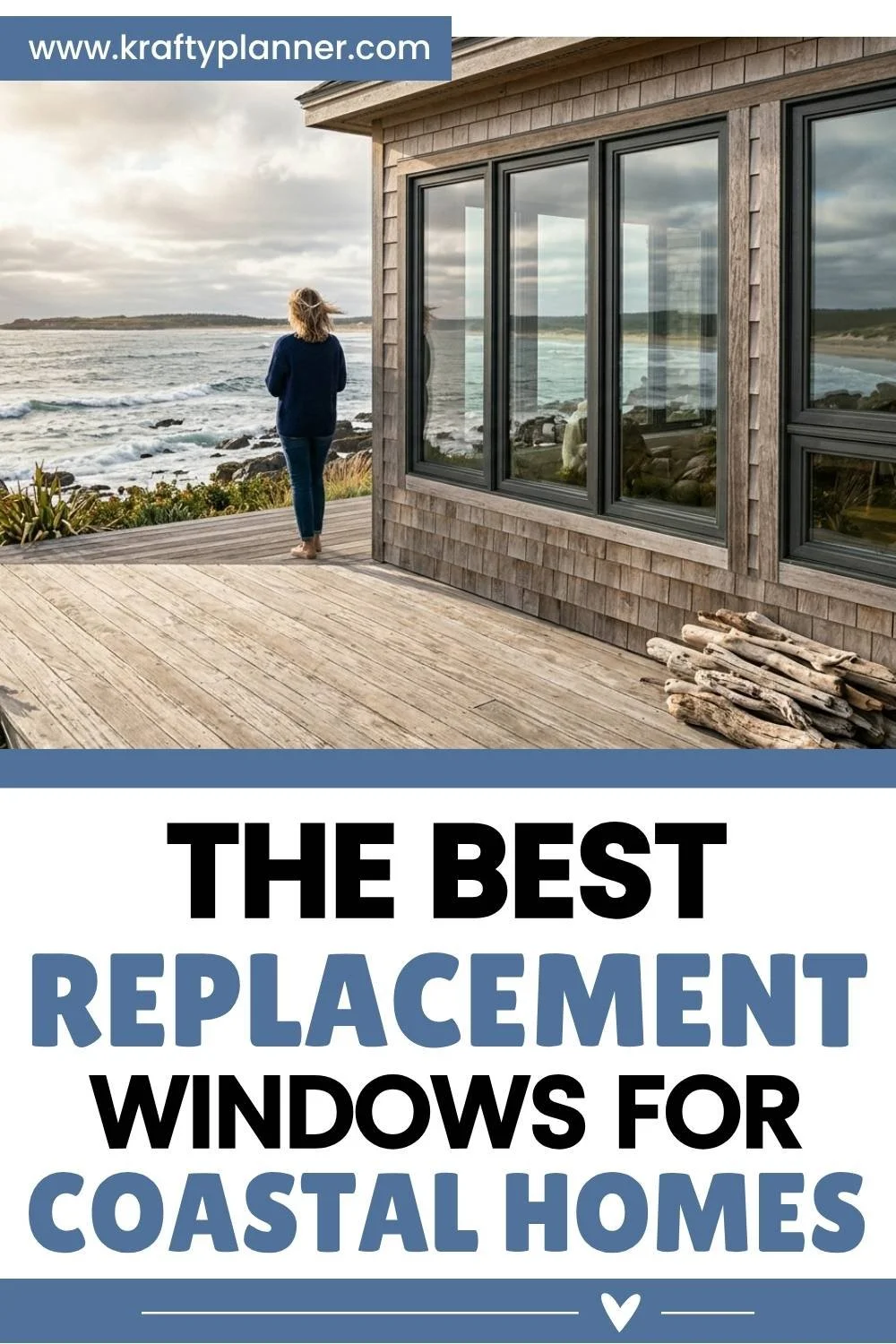
The Best Replacement Windows for Coastal Homes
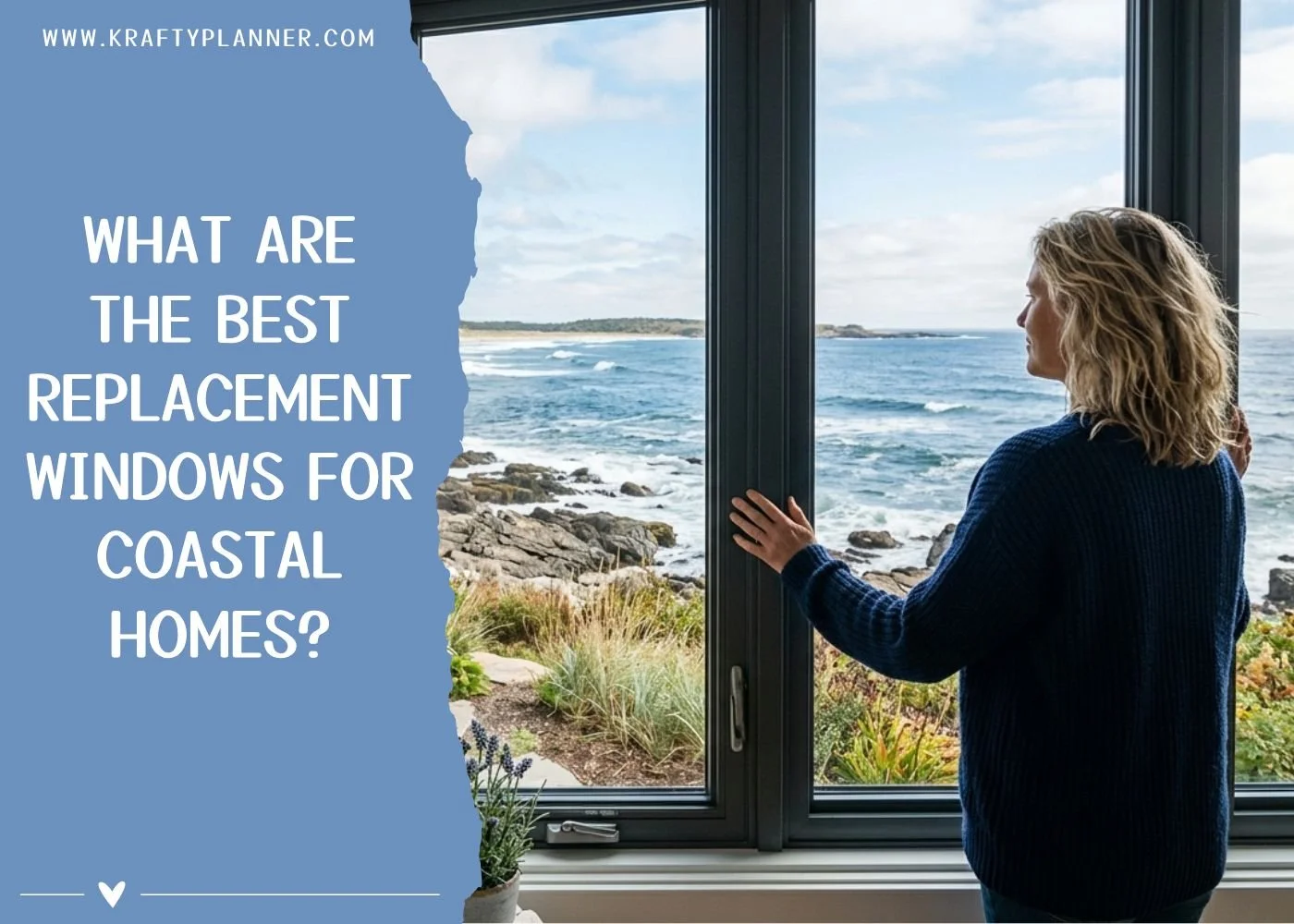
Salt air usually doesn’t ruin your windows overnight. Early warning signs are often small, like a stiff crank, rust on a fastener, bubbling paint, or water stains near the sill after a storm.
For most coastal homes, high-performance vinyl or fibreglass windows give the best mix of corrosion resistance, insulation, and easy maintenance. Coastal-grade aluminum is also a good choice, especially if you want slim frames and large glass areas.
But the frame material isn’t the only thing that affects how long a coastal window lasts. Hardware, fasteners, glass, drainage, weather seals, exterior coatings, and the window installation often fail before the frame itself. Hence, windows facing open water need different features than those protected by nearby buildings, trees, or a sheltered shoreline.
According to the Ecoline Windows Halifax experts, the right window depends on your local wind, salt, rain, temperature, window size, and storm risk.
So, let’s look at the main frame and glass options for your coastal home windows and break down which models are worth the extra cost to avoid corrosion, leaks, and early replacement.
Why Standard Windows Fail Faster Near the Coast
Coastal conditions affect more than just the window frame. Salt settles on locks, hinges, fasteners, moving parts, weatherstripping, and drainage channels. Since salt holds moisture, metal parts stay damp longer and rust faster than they would inland.
The first sign might be a stiff crank or a sliding sash that’s harder to move, even if the window still looks fine.
Wind-driven rain is a real challenge. Strong winds force water against the glass and frame, letting it reach weak joints, worn seals, blocked drainage, or poorly sealed gaps. A window might stay dry in regular rain but leak during a coastal storm because the water hits differently. Stains near the bottom corners or damp drywall next to the window usually mean a drainage or installation problem, not a broken pane.
Sunlight and repeated wetting and drying also wear out low-quality sealants, gaskets, and finishes faster. Scratches or chips in coated aluminum can expose the metal underneath, and wood that isn’t maintained can soak up moisture through joints and ends. Using different metals together is risky too, since wet, salty conditions can make them corrode faster.
Expert note: How far you are from the shoreline is only a rough guide. A window facing open water on a high lot can get much more salt and wind-driven rain than a sheltered window on the same house. Wind direction, nearby buildings, trees, roof overhangs, and which way the window faces all matter when choosing the right window.
Best Window Frame Materials for Coastal Homes
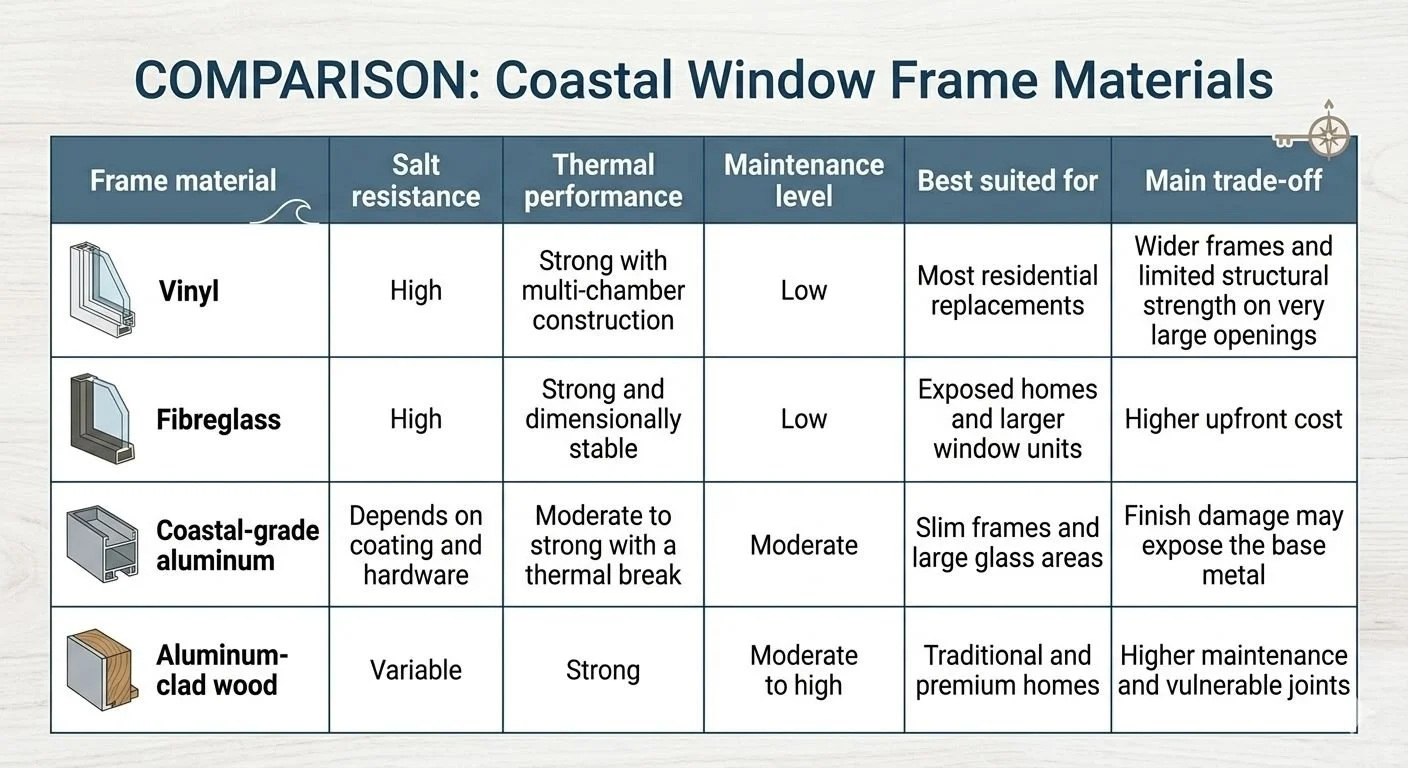
There isn’t one frame material that’s best for every coastal home. Your exposure, window size, house style, maintenance needs, and budget all play a part. Vinyl, fibreglass, and well-made aluminum are the strongest choices, while wood needs more care in salty, wet areas.
Vinyl Windows
Vinyl is often the most practical choice for coastal homes. It doesn’t rust, needs little maintenance, and insulates well if the frame has several internal chambers and strong, welded corners. Vinyl frames also work with most standard window types, like casement, awning, sliding, and fixed windows.
The main drawback is size. Large windows may need extra support, thicker frames, or added structure. Dark exterior colours can also get hotter, so check that the finish and frame are rated for your window’s size and location.
Fibreglass Windows
Fibreglass doesn’t expand or contract as much as vinyl when temperatures change, which helps keep seals and frames in good shape. It’s strong enough for slimmer frames and bigger glass areas without needing as much extra support inside.
Fibreglass works well in exposed spots, but it usually costs more than vinyl. The higher price makes sense for large windows, dark frames, or places that get a lot of wind and salt spray.
Coastal-Grade Aluminum Windows
Aluminium offers slim frames and sufficient strength for wide windows, which is why it’s popular in modern homes with ocean views. But standard aluminium isn’t the same as coastal-grade aluminium.
A good coastal aluminium window should have a thermal break, a tough powder-coated or anodised finish, corrosion-resistant fasteners, protected cut edges, and hardware rated for marine use. Even a small scratch can let salt reach the bare metal and cause corrosion.
Wood and Aluminum-Clad Wood Windows
Wood looks classic and insulates well, but exposed wood needs regular checks and refinishing. Moisture often gets in around joints, sill edges, and end grain before you see any damage.
Aluminium-clad wood reduces exterior maintenance, but you still need to monitor the cladding joints, drainage, and fasteners. This option is best for homeowners willing to care for a high-end product, not those looking for the easiest upkeep.
For most projects, vinyl offers the strongest value, fibreglass suits demanding exposures and larger openings, and coastal-grade aluminium works best where narrow frames are a design priority.
Choose Glass for Heat Loss, Glare, Wind, and Storm Risk
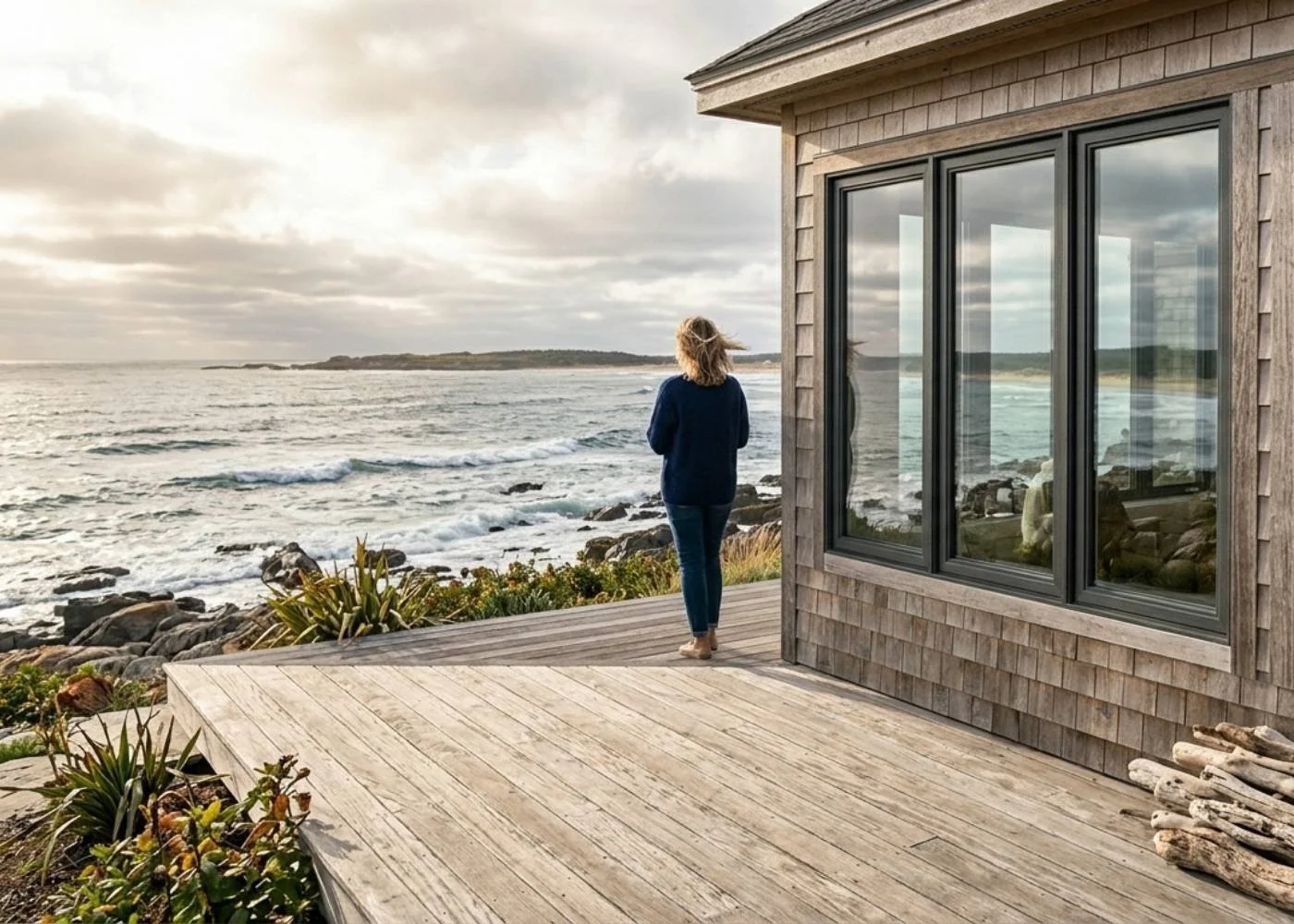
The right glass for coastal homes depends on your local climate and exposure. On the Pacific coast, rain resistance and insulation are important. Atlantic homes often need to handle colder winters, stronger winds, and freeze-thaw cycles. In warmer areas, glare and solar heat gain might matter more than having triple-pane glass.
Key glass options include:
Double-pane glass is usually sufficient in mild coastal climates when paired with Low-E coating, argon gas, and a warm-edge spacer.
Triple-pane glass reduces heat loss and keeps interior glass surfaces warmer, but adds weight and cost.
Low-E coatings should vary by orientation. South- and west-facing windows may need stronger solar control, while north-facing units often benefit from higher insulation.
Laminated glass improves sound control, security, and glass retention after breakage.
Tempered glass may be required near doors, floors, baths, stairs, and other hazardous locations.
A common mistake is thinking that laminated glass makes a window impact-resistant. Storm-rated windows are tested as a whole unit, including the frame, sash, glass, hardware, and their anchoring.
For example, a sheltered home on Vancouver Island might benefit from insulated glass and good water resistance. An exposed Atlantic home may need stronger frames, and homes in hurricane or debris zones need windows that meet code for impact resistance.
Hardware, Finishes, and Window Style Affect Coastal Durability
Hardware usually wears out before the frame does. Locks, hinges, cranks, rollers, and fasteners are exposed to salt and moisture, which can make them stiff, stained, or rusty.
For coastal installations, ask for:
Corrosion-resistant hardware approved by the manufacturer
Stainless steel fasteners suitable for salt exposure
Durable powder-coated or anodized finishes
Compatible metals that reduce galvanic corrosion
Replaceable operators, locks, hinges, and rollers
Clear warranty terms for properties near the shoreline
A common mistake is picking a top-quality frame but using standard hardware. A corrosion-resistant window isn’t much help if the sash is hard to open or the lock fails.
Awning windows: Allow ventilation during light rain but have similar hardware requirements to casements.
Sliding windows: Simple and affordable, although tracks collect salt, sand, and debris.
Hung windows: Provide familiar operation but include more moving joints and seals than fixed units.
For large windows facing the ocean, fixed glass usually requires the least maintenance and withstands the weather best. You can add operable windows where you need ventilation, cleaning access, or an emergency exit.

Check Windows Performance Ratings and Installation Before Ordering
When comparing coastal windows, look at tested performance, not just claims like “weather-resistant.” The NAFS and Energy Star ratings indicate how well a window resists air leaks, water intrusion, and structural pressure.
Ask your preferred window supplier for:
Performance Grade: Indicates the pressure level the tested unit can withstand.
Water resistance: Shows how well the window resists wind-driven rain.
Air leakage rating: Affects drafts, comfort, and heating demand.
U-factor: Measures heat transfer. Lower values indicate better insulation.
Solar Heat Gain Coefficient: Shows how much solar heat passes through the glass.
Energy Rating: Combines several performance factors into one efficiency value.
Make sure the ratings match the exact window size, style, and setup you’re ordering. A small fixed window might perform better than a large casement or sliding window from the same series.
Installation details are equally important. Coastal openings need:
Sill flashing or a properly formed sill pan
Head flashing connected to the wall’s drainage layer
Open drainage channels and weep holes
Corrosion-resistant fasteners
Compatible exterior sealants
Anchoring suited to the window size and wind exposure
A common mistake is picking a high-rated window but installing it in an opening with poor flashing or blocked drainage. Water can still get in around the frame, even if the window itself works well.
Before you sign a contract, ask for the product’s test results, installation method, coastal warranty details, and hardware specs. Having this information makes it easier to compare quotes and spot vague claims.
Match the Window Package to Exposure and Budget
Not all coastal homes need the same windows. A sheltered home a few kilometres inland might do fine with standard high-performance windows, but an oceanfront home exposed to salt spray and strong winds needs better hardware, finishes, drainage, and structural ratings.
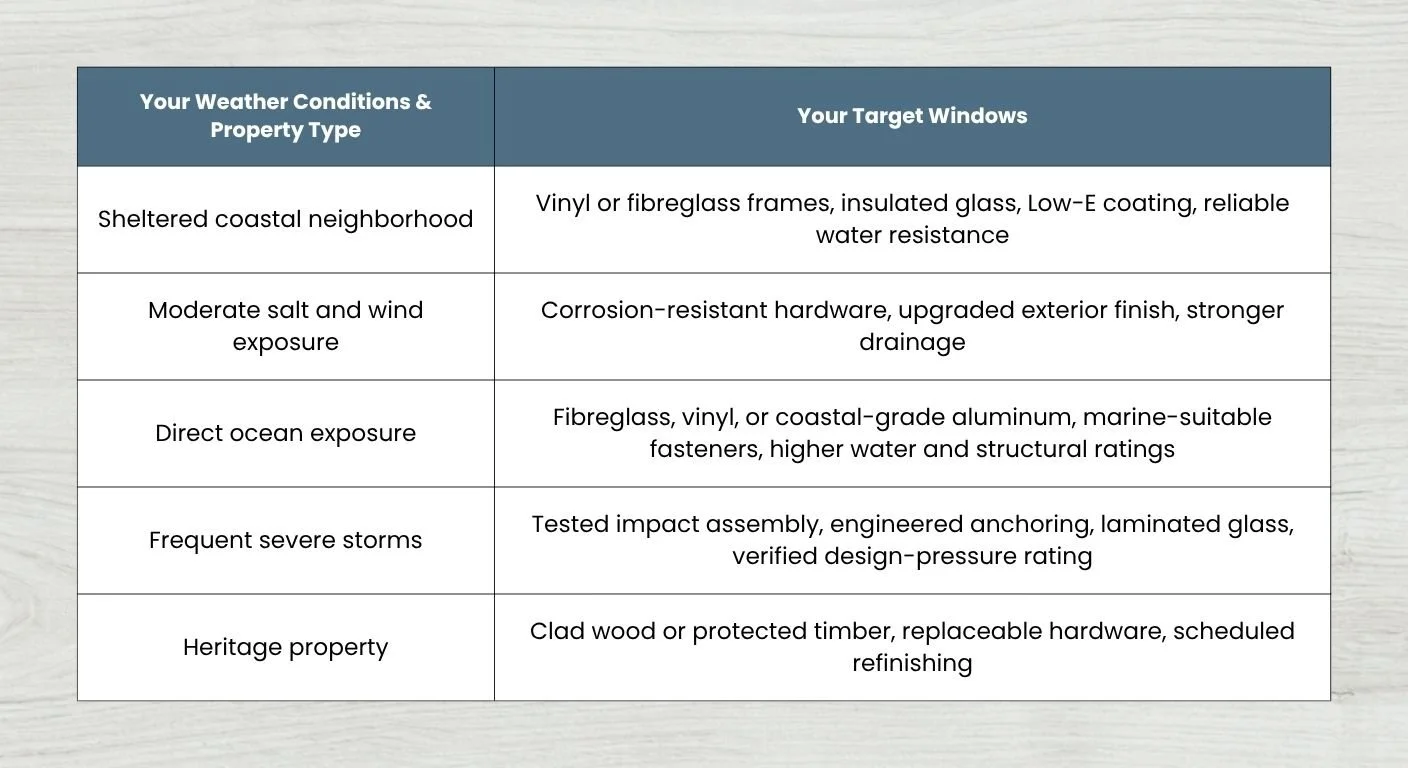
Start by investing in features that lower the risk of leaks, corrosion, and early failure:
Tested air, water, and structural performance
Corrosion-resistant hardware and fasteners
Proper flashing, drainage, and anchoring
Glass suited to the climate and window orientation
Decorative colours, grids, and premium finishes
Window prices depend on the frame material, size, glass, colour, hardware, installation, access, and the condition of your current opening. Impact-rated and large custom windows can cost much more, so compare products with similar features instead of just looking at the price per window.
Basic maintenance helps your windows last longer. Rinse off salt with fresh water, clear tracks and drainage, check exterior sealant, and lubricate moving parts as the manufacturer recommends.
A lower-priced window with clear testing, replaceable hardware, and proper installation may provide better long-term value than a premium-looking product with vague coastal warranty terms.
Before you go:
You might also be interested in…
FOR PERSONAL USE ONLY – Please Read Freebies Terms of Use
(This post may contain affiliate links. For more information, see my disclosures here.)
~ SHARE THIS POST ~

Did you like this post? Do you know someone else who might enjoy it? Please take a minute to share it on Pinterest, Facebook, or your favorite social media… Thank you!













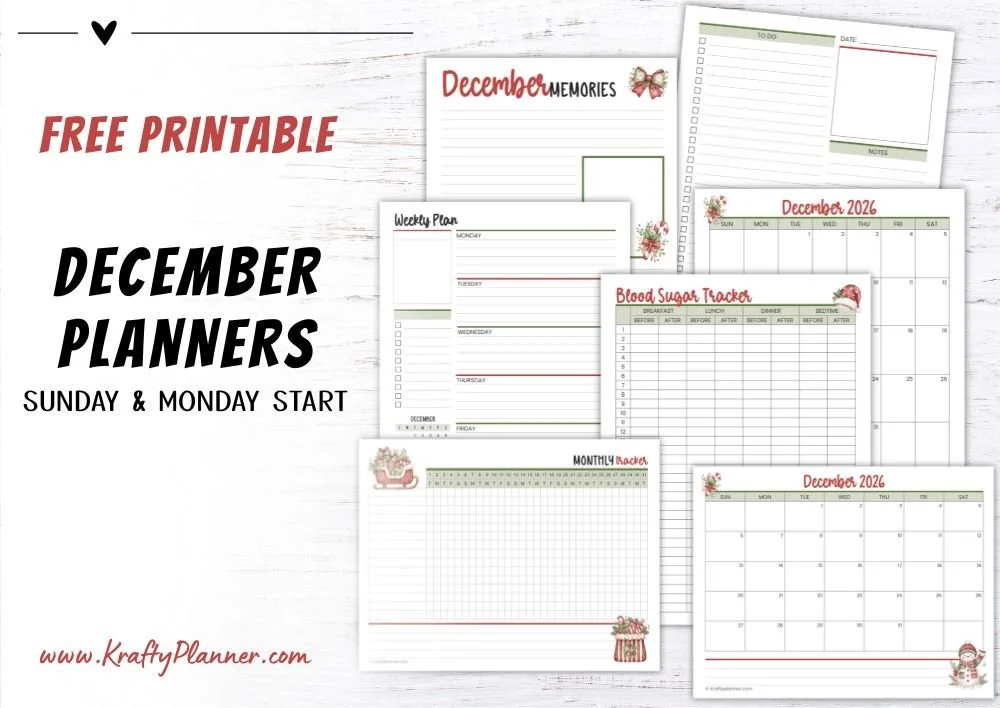





Download free December 2026 planner printables, including calendars, weekly and daily pages, a habit tracker, and more to stay organized all month long.