
Why Paper Planners Are Better Than Digital Planners for College Students

College life requires managing classes, assignments, exams, social activities, part-time jobs, and personal responsibilities. With so many tasks competing for attention, having an effective planning system can make a major difference.
While digital calendars and productivity apps have become popular, many people are returning to a traditional tool: the paper planner.
A paper planner offers a simple, focused, and distraction-free way to organize daily responsibilities. For many college students, writing down goals, deadlines, and schedules by hand creates a stronger connection between planning and action.
Unlike digital tools that often come with notifications and distractions, a paper planner provides a dedicated space for organizing academic and personal life.
Although digital planners have their advantages, paper planners continue to be a powerful tool for improving time management, focus, memory, and productivity.
Better Focus Without Digital Distractions
A paper planner can help college students create a more focused environment by reducing the number of digital interruptions during the day. However, staying focused is not always easy, especially when dealing with complex writing assignments, research projects, and multiple deadlines at the same time.
When academic writing becomes overwhelming, students may struggle to organize their ideas or find enough time to complete every task effectively. In these situations, using reliable academic support from PapersOwl can be a helpful option for managing writing challenges. This service provides access to professional assistance that can help students better handle difficult writing tasks while they continue focusing on their learning goals and responsibilities.
By reducing stress around time-consuming assignments, students can use their planning time more effectively and maintain a healthier academic routine. A paper planner combined with smart productivity strategies allows students to prioritize important tasks, avoid unnecessary distractions, and create a balanced approach to college life.
The goal is not only to complete assignments but also to develop better organization skills, improve focus, and make the learning process more manageable.
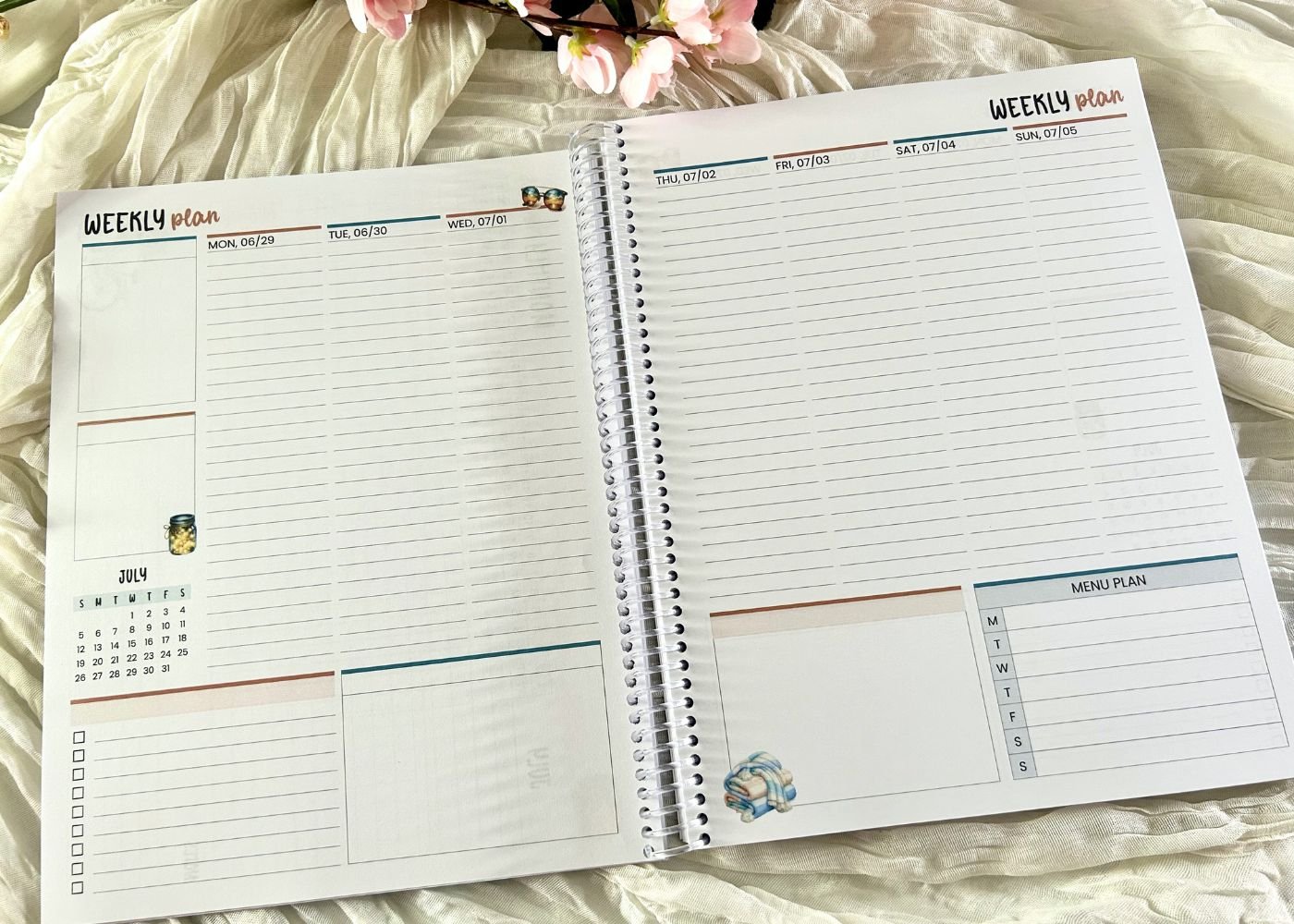
Writing by Hand Improves Memory
Research suggests that handwriting can support better information retention compared with typing. The physical process of writing activates different areas of the brain and encourages deeper processing of information.
When college students write an assignment deadline, exam date, or personal goal in a planner, they are more likely to remember it. The act of creating a handwritten note helps transform a simple task into something more meaningful.
A paper planner also allows users to add personal details, symbols, drawings, or color coding. These visual connections can make important information easier to recognize. For example, marking exams with one color and personal events with another can create a clearer overview of a busy week.
Encourages Better Time Management Skills
Time management is one of the most important skills for success in college. Many students struggle with balancing coursework, extracurricular activities, work responsibilities, and personal life. A paper planner helps turn a long list of tasks into a realistic schedule.
Digital planners often focus on individual tasks, but paper planners provide a bigger visual picture. A weekly or monthly spread allows users to see how much time they actually have available. This makes it easier to avoid overloading a single day and helps create a balanced routine.
By planning ahead, college students can break large projects into smaller steps. Instead of waiting until the last minute to complete a research paper or prepare for an exam, they can schedule progress throughout several weeks.
Creates a Personal Connection With Goals
A paper planner is more than just a list of deadlines. It can become a personal record of achievements, challenges, and progress throughout the academic year.
Many people enjoy decorating their planners, adding motivational notes, tracking habits, or recording important moments. This personalization makes planning feel less like a chore and more like a personal productivity system.
For college students, seeing completed tasks crossed out or checking progress toward goals can provide motivation. A planner becomes a visual reminder of accomplishments and encourages continued effort.
Digital tools often provide efficiency, but they may feel less personal. A handwritten planner gives users a physical connection to their plans and responsibilities.
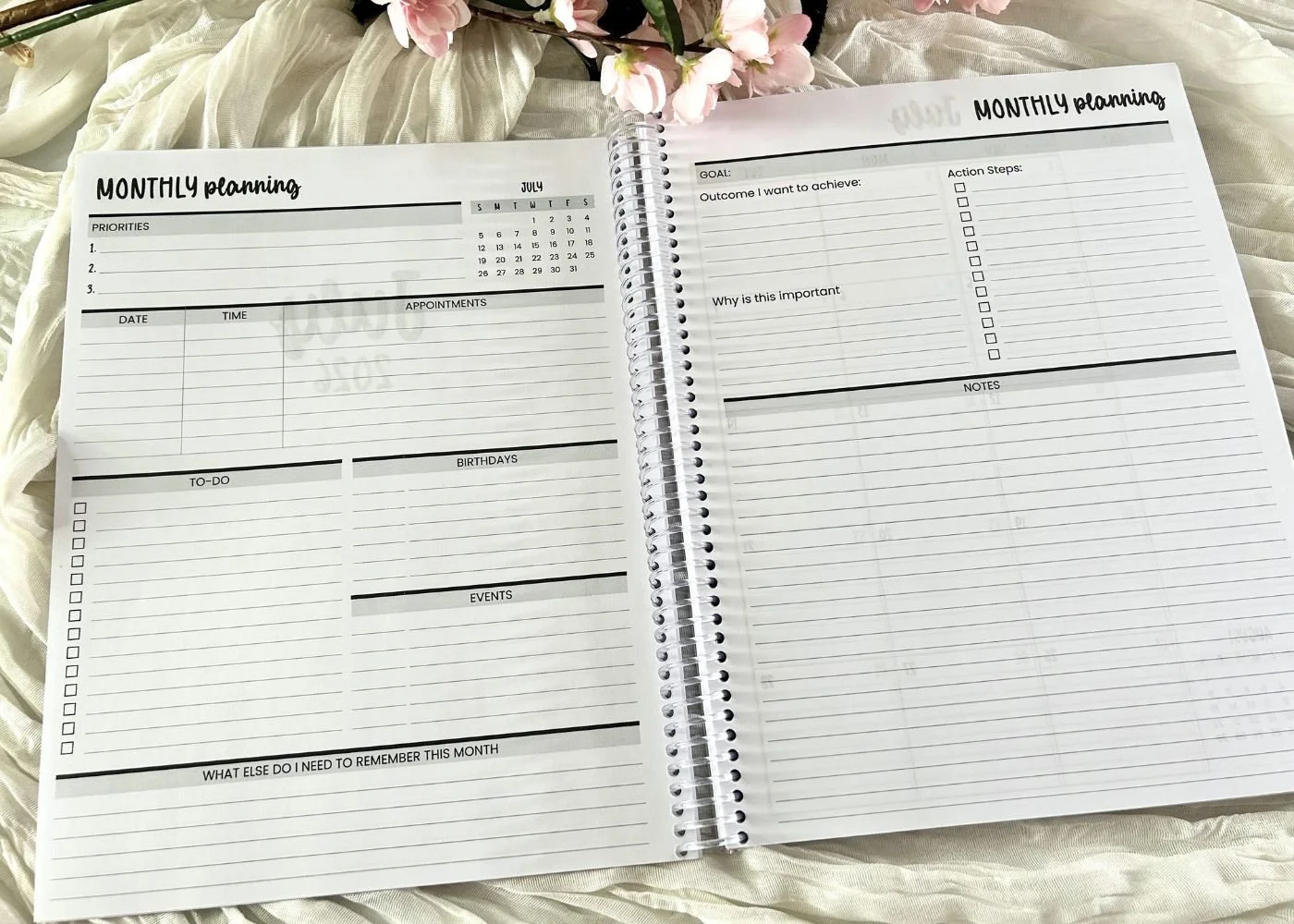
Reduces Screen Time
Most college students already spend several hours each day looking at screens for lectures, assignments, research, and communication. Adding another digital tool for planning can increase screen fatigue.
Using a paper planner creates a healthy break from technology. A few minutes spent writing schedules or reviewing goals can provide a mental reset during a busy day.
Reducing unnecessary screen time may also improve concentration and help create healthier study habits. Instead of checking a phone every time they need to organize their schedule, students can rely on a simple notebook that is always available.
Provides More Flexibility and Creativity
Digital planners usually have fixed layouts and limited customization options. Paper planners offer much more freedom. Users can design pages according to their own needs and preferences.
A person can create sections for:
Weekly goals
Assignment tracking
Exam preparation
Budget planning
Fitness routines
Personal reminders
Long-term goals
This flexibility makes paper planners suitable for different learning styles and lifestyles. Someone who prefers detailed organization can create extensive schedules, while another person can keep things simple with basic daily notes.
Helps Build Consistent Planning Habits
Success with any planning system depends on consistency. A paper planner can encourage regular habits because it becomes a physical reminder to review priorities.
Keeping a planner on a desk or in a backpack makes it easy to check throughout the day. Many people develop routines such as planning each morning, reviewing tasks in the evening, or preparing the next week every Sunday.
These small habits can improve organization over time. Instead of feeling overwhelmed by responsibilities, college students can approach their schedules with more confidence and control.
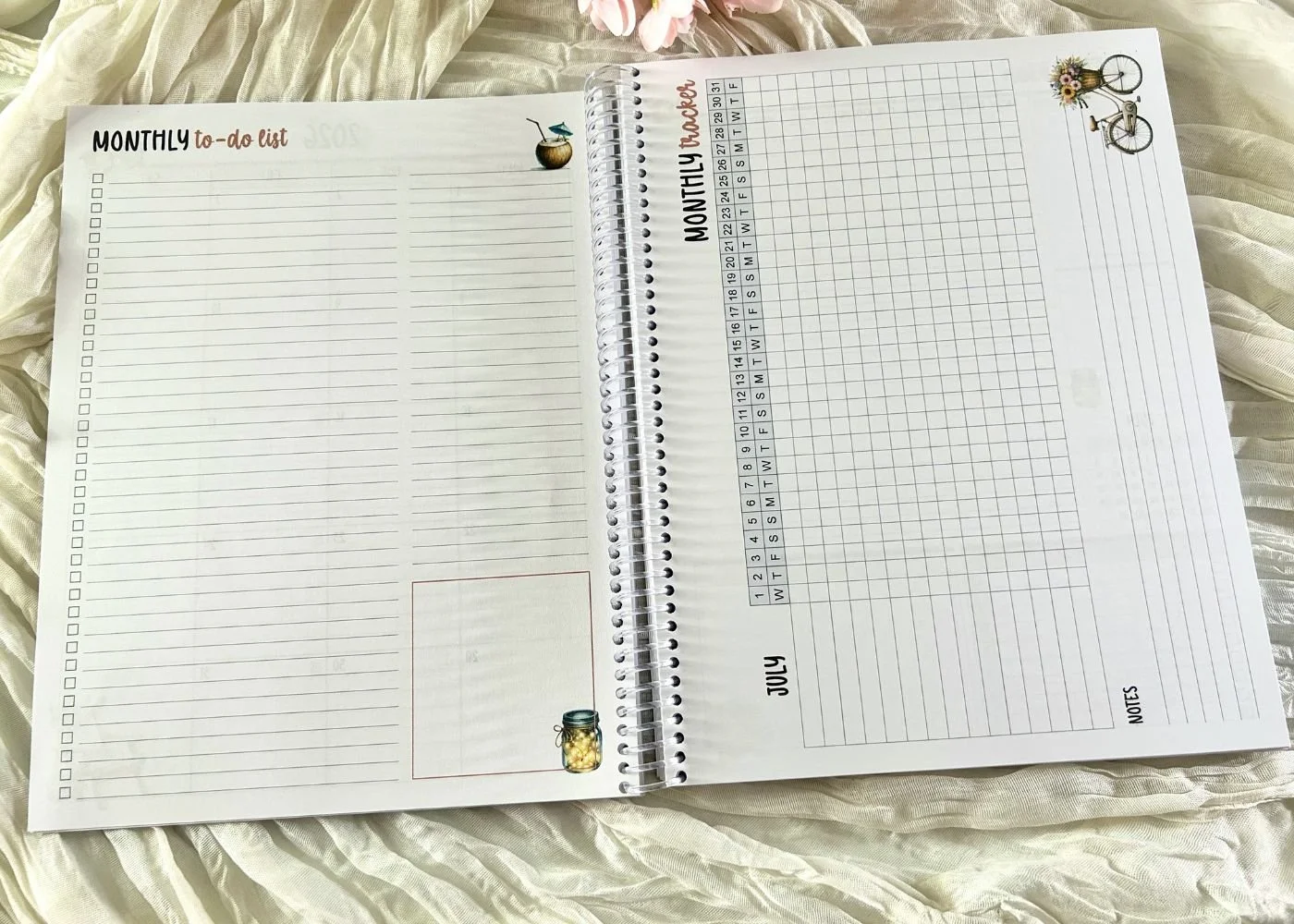
Choosing the Right Planning System
While paper planners offer many benefits, the best system depends on individual preferences. Some people may prefer completely traditional planners, while others may combine paper planning with digital tools.
For example, a student might use a paper planner for daily organization and a digital calendar for reminders or important appointments. This hybrid approach combines the benefits of both methods.
When choosing a paper planner, consider factors such as size, layout, writing space, and personal goals. A planner should be convenient enough to use regularly and practical enough to support everyday responsibilities.
Final Thoughts
Paper planners remain a valuable tool for college students because they support focus, memory, creativity, and effective time management. In a world filled with digital distractions, a simple notebook can provide a more intentional way to organize academic and personal responsibilities.
While digital planners offer convenience, paper planners create a deeper connection between planning and productivity. The process of writing goals, organizing tasks, and tracking progress can help students develop habits that support success both during college and beyond.
For anyone looking to improve organization and create a more balanced routine, a paper planner can be a simple but powerful solution.
Before you go:
You might also be interested in…
(This post may contain affiliate links. For more information, see my disclosures here.)
~ SHARE THIS POST ~

Did you like this post? Do you know someone else who might enjoy it? Please take a minute to share it on Pinterest, Facebook, or your favorite social media… Thank you!


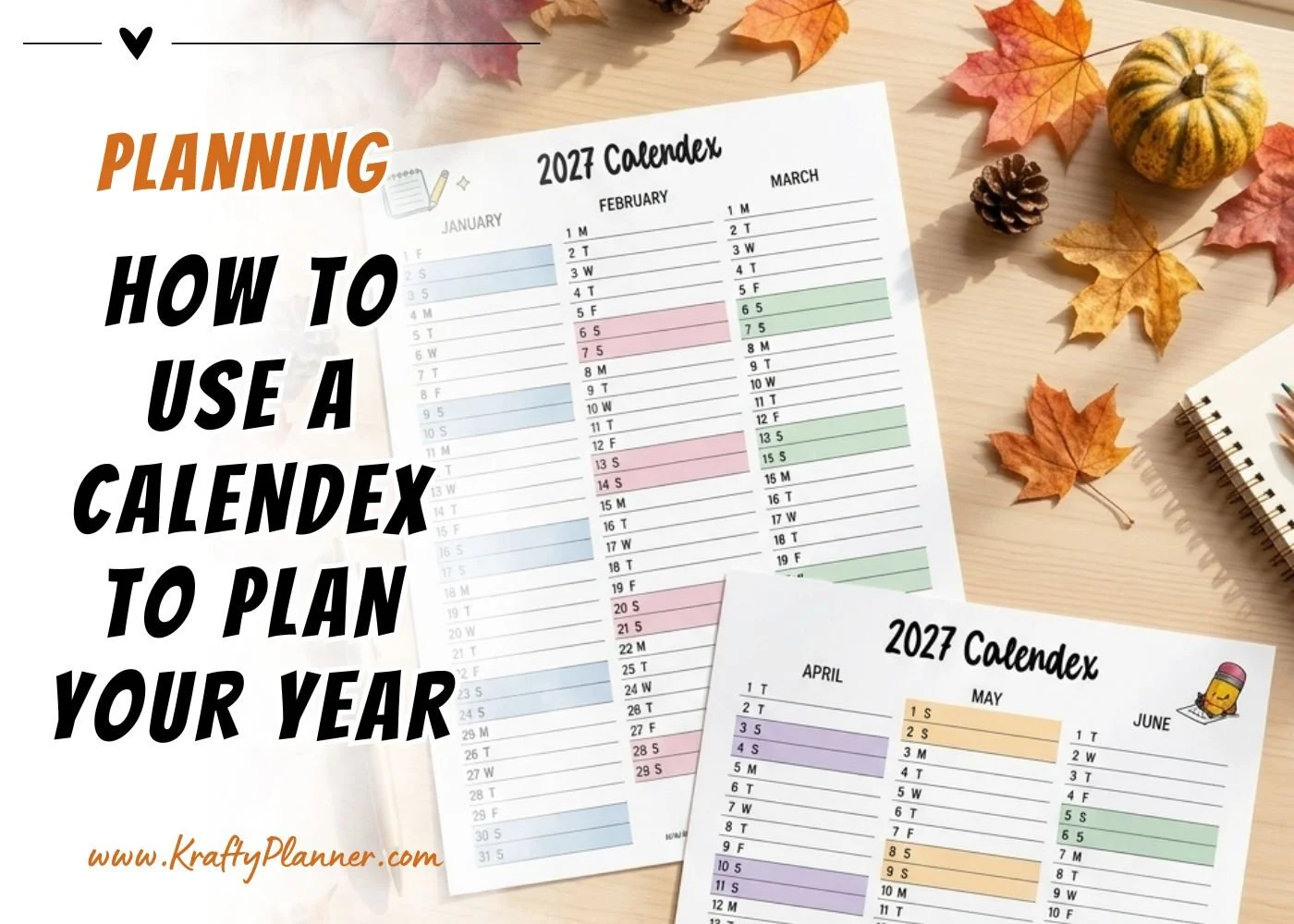







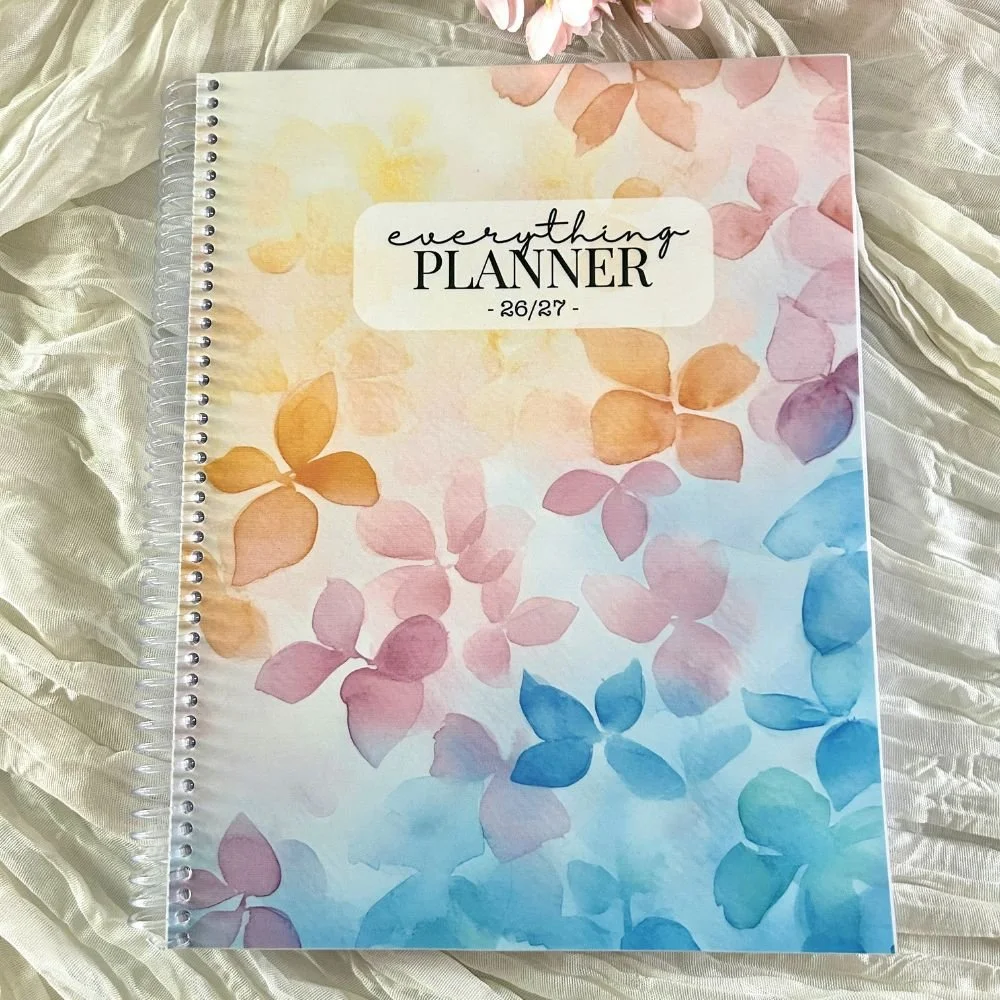
Bring structure, joy, and a little seasonal charm to your everyday planning with the 2026/2027 Everything Planner – Seasonal Graphics Edition.
Dated from July 2026 through June 2027, this full-size planner (8.5" × 11") is designed to help you organize your schedule, set meaningful goals, and enjoy planning all year long. Each month features beautifully coordinated seasonal artwork, making every page feel fresh, inspiring, and fun to use.
Thoughtfully designed and handmade in my studio in Seneca Falls, New York, every planner is printed on premium paper, bound with a durable, clear coil, and finished with a soft-touch matte floral cover. It lays flat for easy writing and is ready to use right out of the package.
What's Inside
2026 & 2027 Year-at-a-Glance Calendars
Yearly Goal Planning Pages
Books to Read List
My Dreams List
Level 10 Life Worksheets
Yearly Reflection Pages
Monthly Cover Pages with Seasonal Artwork
Two-Page Monthly Calendars
Monthly Planning & Goal Pages
Monthly Tasks & Habit Tracker
Dated Weekly Planning Pages
Monthly Review & Notes Pages
End-of-Year Review
Product Details
Size: 8.5" × 11"
258 premium printed pages
Soft-touch matte laminated cover
Durable clear coil binding
Lays flat while writing
Handmade in Seneca Falls, New York
Why You'll Love It
The Everything Planner was created to be more than just a calendar. It's a place to organize your schedule, capture ideas, work toward your goals, and create routines that help you build an intentional life.
The changing seasonal artwork brings a little extra joy to each month while the thoughtfully designed layouts give you plenty of room to plan in a way that works for you.
Whether you're organizing work, school, family life, or personal goals, this planner is designed to help you P.L.A.N. Everything:
Productivity • Lifestyle • Accountability • New Beginnings
Each planner is carefully printed, assembled, and packaged by hand before being shipped directly to you.


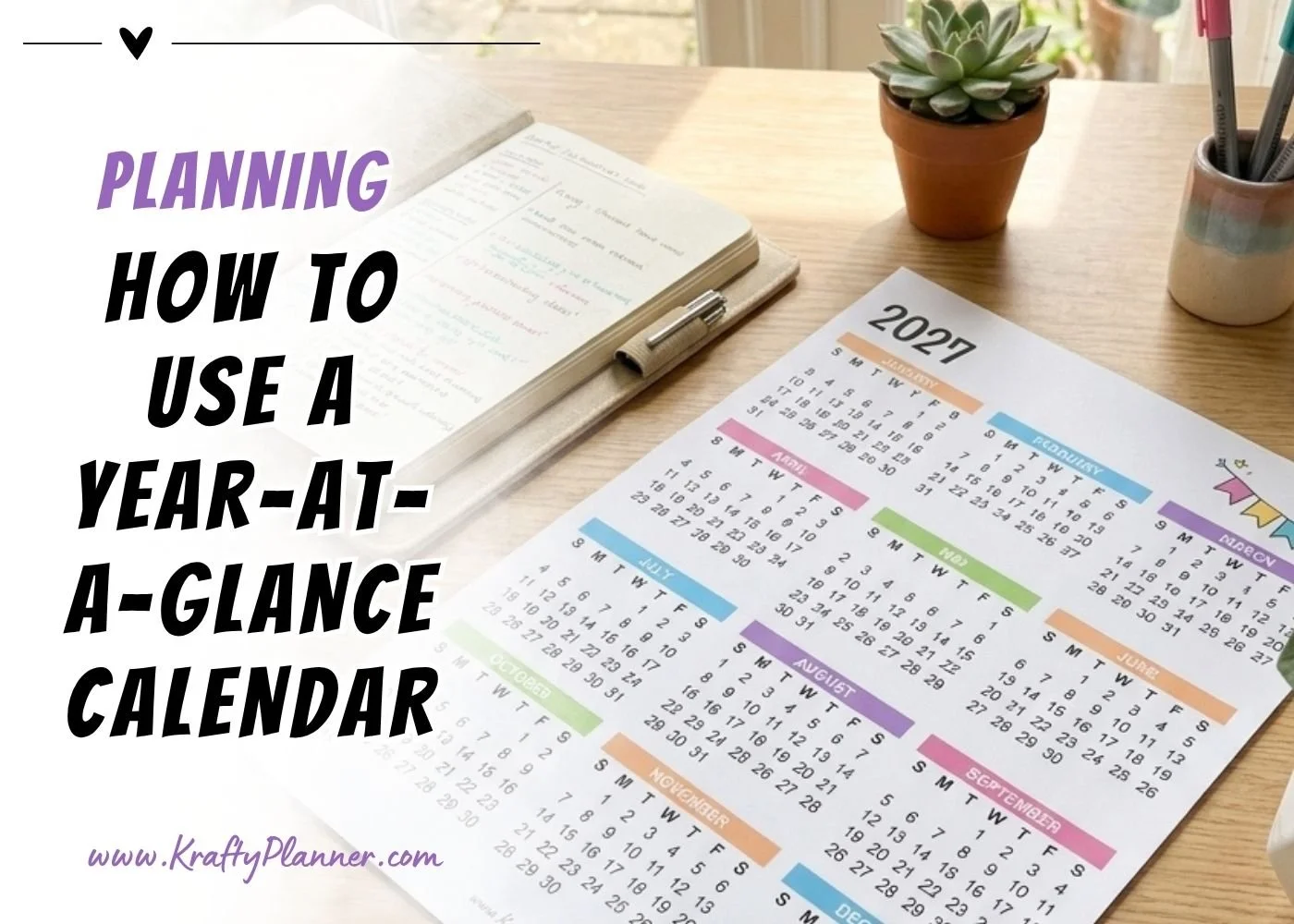
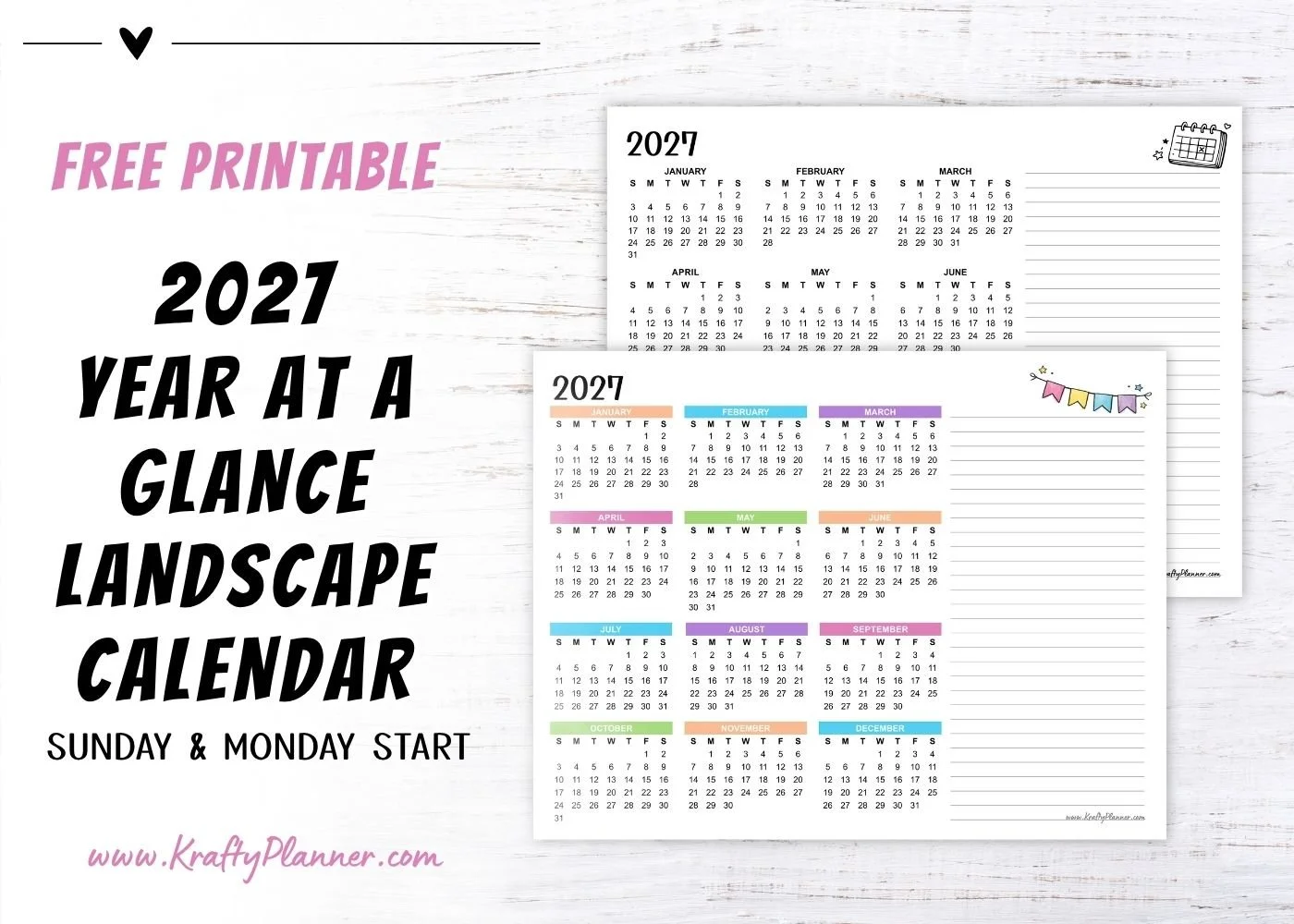
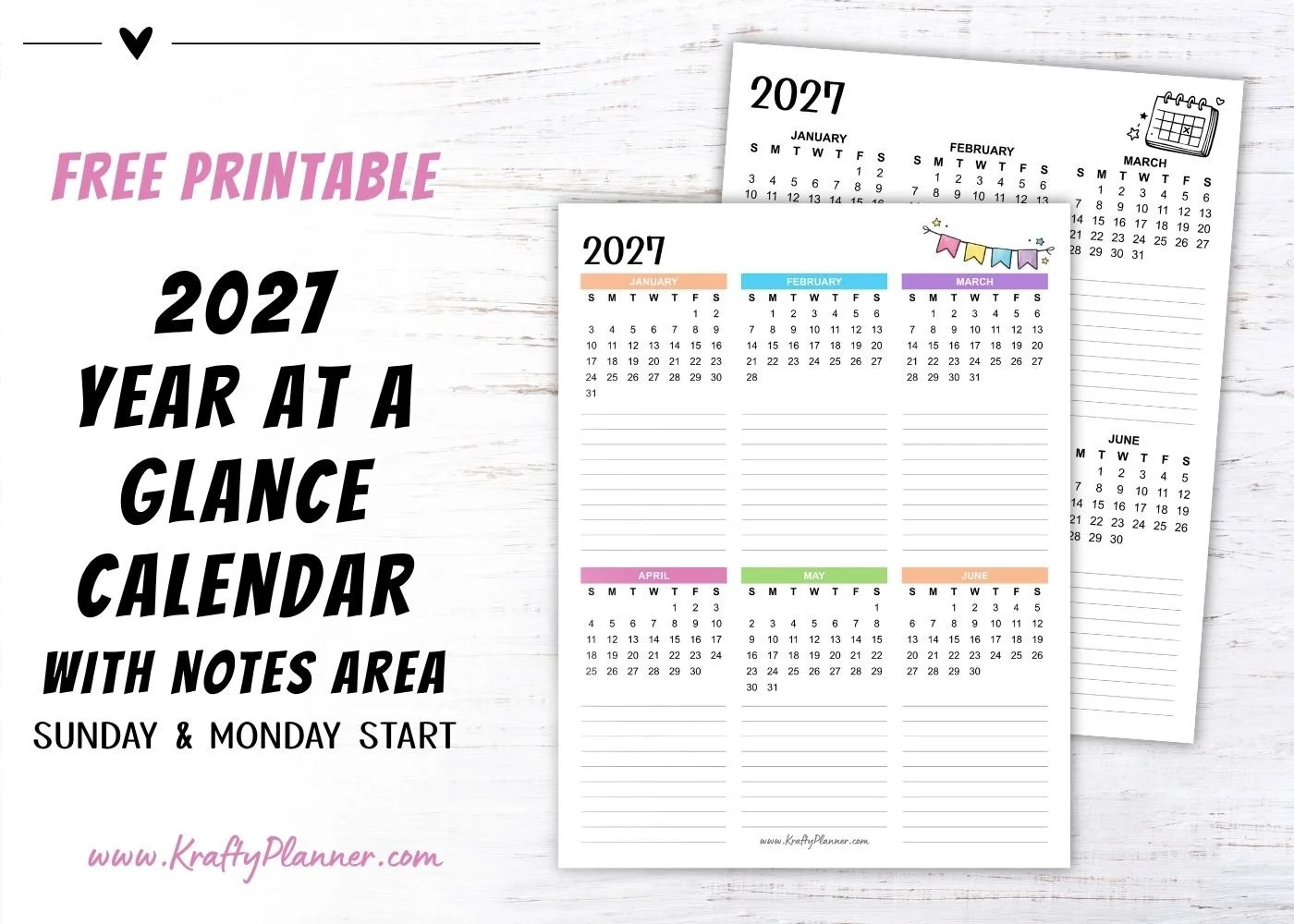


Planning your year as a caregiver? Learn how to organize caregiving expenses, appointments, routines, and respite while protecting your budget and energy.