
What Makes an Effective Student Planner
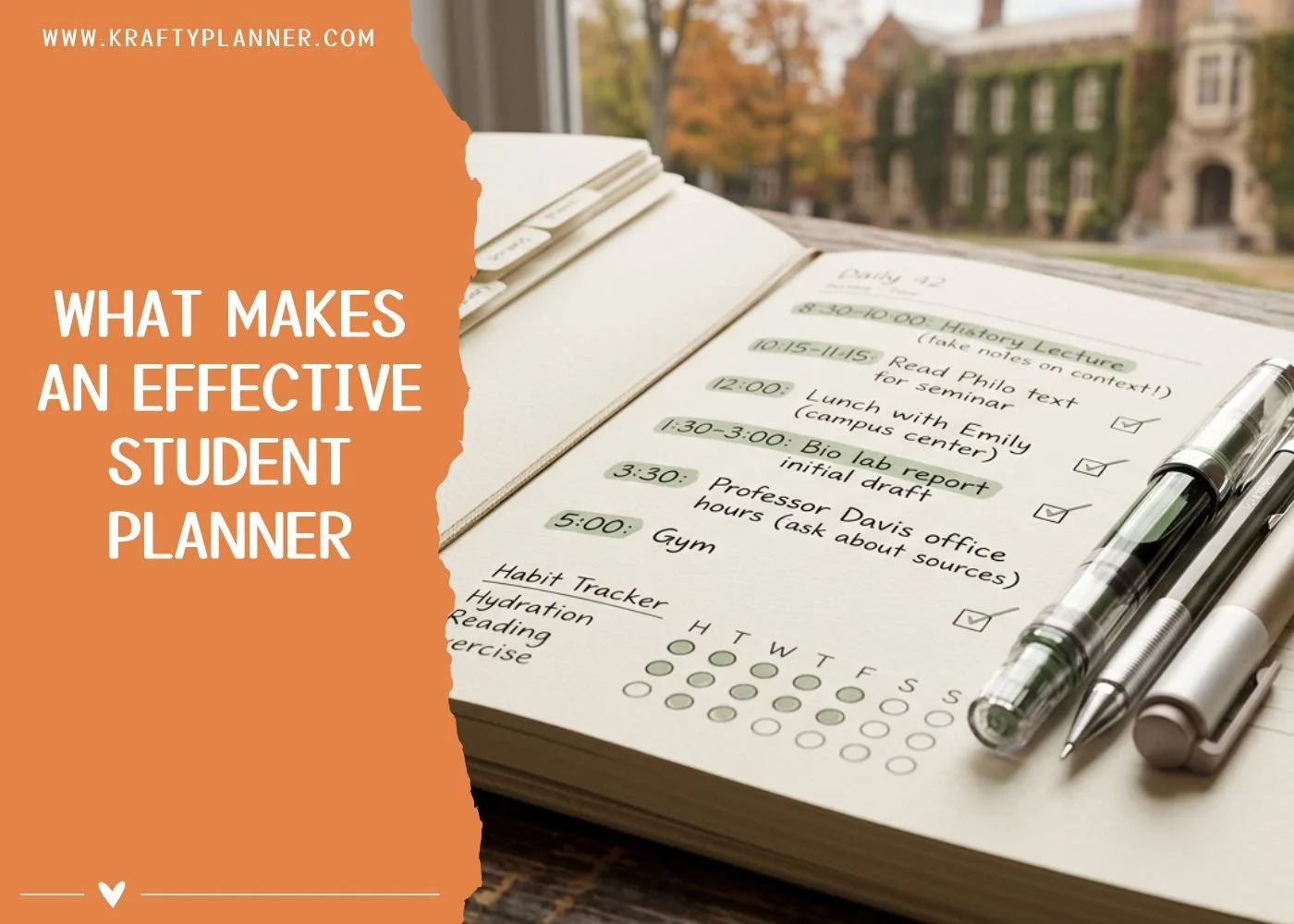
College life in the United States is exciting, but it can also become overwhelming without a clear system for managing responsibilities.
Between lectures, assignments, part-time jobs, internships, clubs, and social activities, it's easy to lose track of important deadlines. That's where an effective student planner becomes one of the most valuable academic tools.
A planner is much more than a calendar. It serves as a personal organization system that helps improve time management, reduce stress, and increase productivity.
Whether you prefer a traditional paper notebook or a digital app, understanding what makes a planner truly effective can make a significant difference throughout your college experience.
Why Every College Student Needs a Planner
Success in college depends on much more than intelligence. Organization, consistency, and good habits often separate top-performing learners from those who constantly rush to meet deadlines.
An effective planner helps you:
Keep track of assignments and exams
Manage multiple classes at once
Balance academics with work and extracurricular activities
Avoid last-minute stress
Build better study habits
Stay motivated by tracking progress
Instead of relying on memory, a planner creates a reliable system that keeps everything in one place.
Space for Academic Goals
Setting academic goals is one of the best ways to stay focused throughout the semester. Instead of simply hoping for good grades, write down specific objectives, such as earning an A in a challenging course, completing every assignment before the deadline, improving your GPA, or preparing early for internships and graduate school applications.
An effective planner provides dedicated space to review these goals regularly, helping you measure your progress and adjust your study strategy when necessary.
Breaking larger goals into smaller weekly milestones makes them feel more achievable and keeps motivation high, especially during busy periods.
If you notice that you're falling behind because of multiple deadlines, demanding coursework, or unexpected responsibilities, it's important to seek support before the situation becomes overwhelming.
Professors, tutors, study groups, and campus academic centers are excellent places to start. If you need extra academic assistance with your homework and help staying on track, you can search, "Can I ask professionals to write my paper at EduBirdie online?"
Getting help with difficult assignments can free up time to focus on mastering challenging subjects and achieving your long-term educational goals. Knowing how to determine when to rely on EssayPro essay service can be one option when managing a heavy workload.
Remember, asking for assistance is part of effective planning and responsible time management, not a sign of failure.
Monthly Overview for Long-Term Planning
One of the most important features of an effective planner is a monthly calendar.
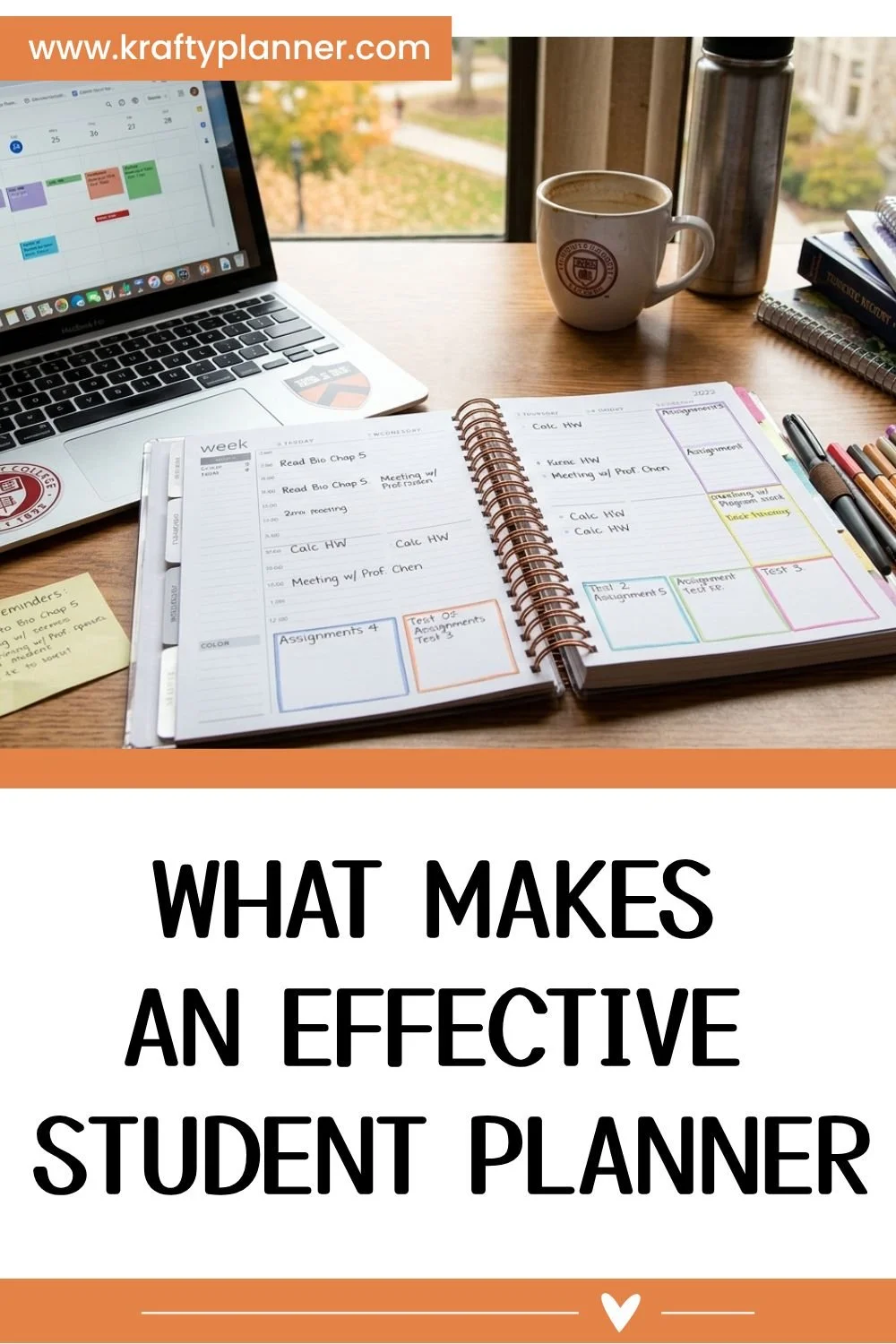
Looking at the entire month allows you to identify busy periods before they arrive. As soon as professors distribute course syllabi, add major assignments, midterms, presentations, research papers, and final exams to your monthly pages.
Planning ahead gives you time to spread out large projects instead of trying to complete everything during one stressful week.
Monthly planning is especially useful when multiple courses have overlapping deadlines.
Weekly Layout That Supports Daily Productivity
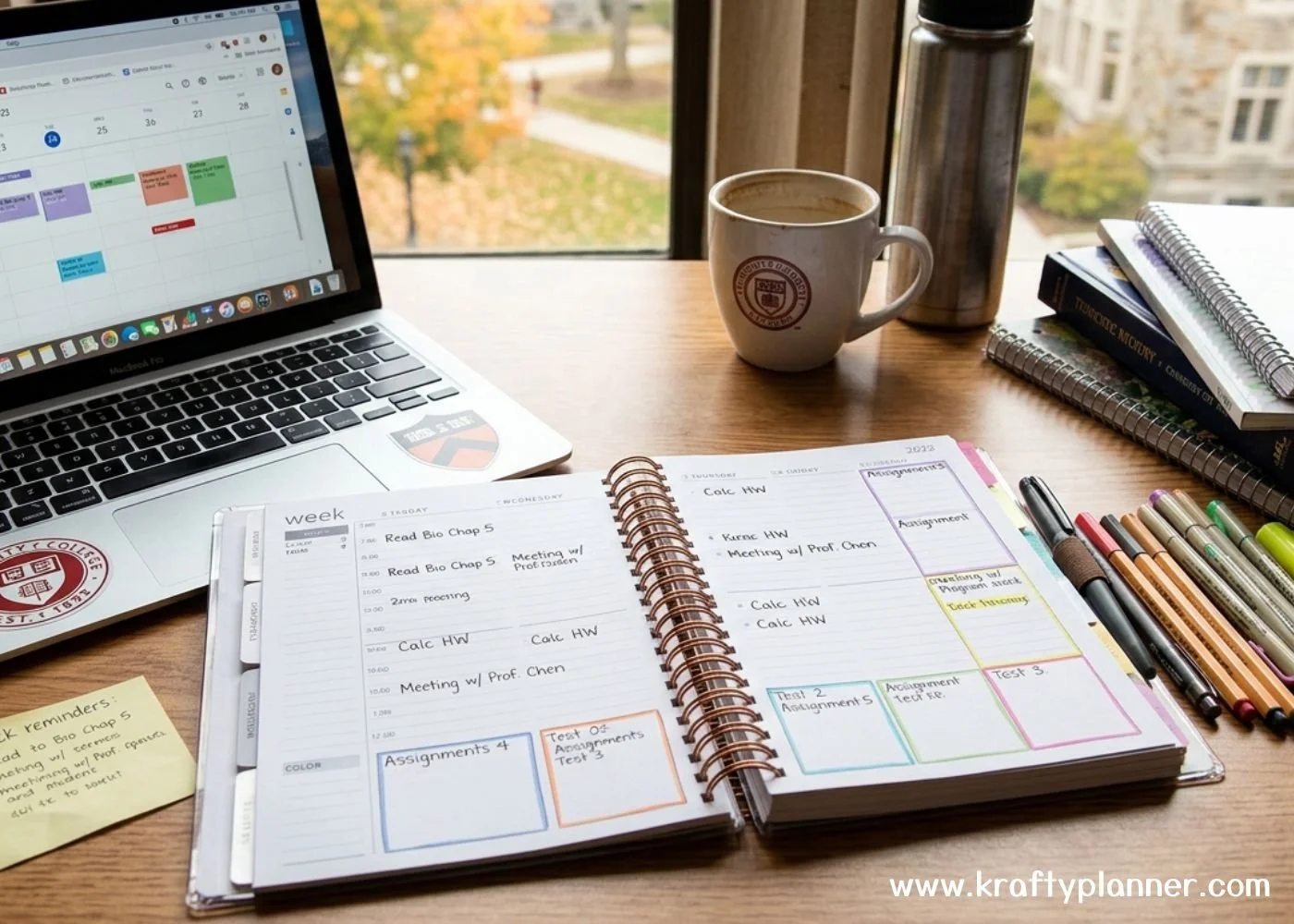
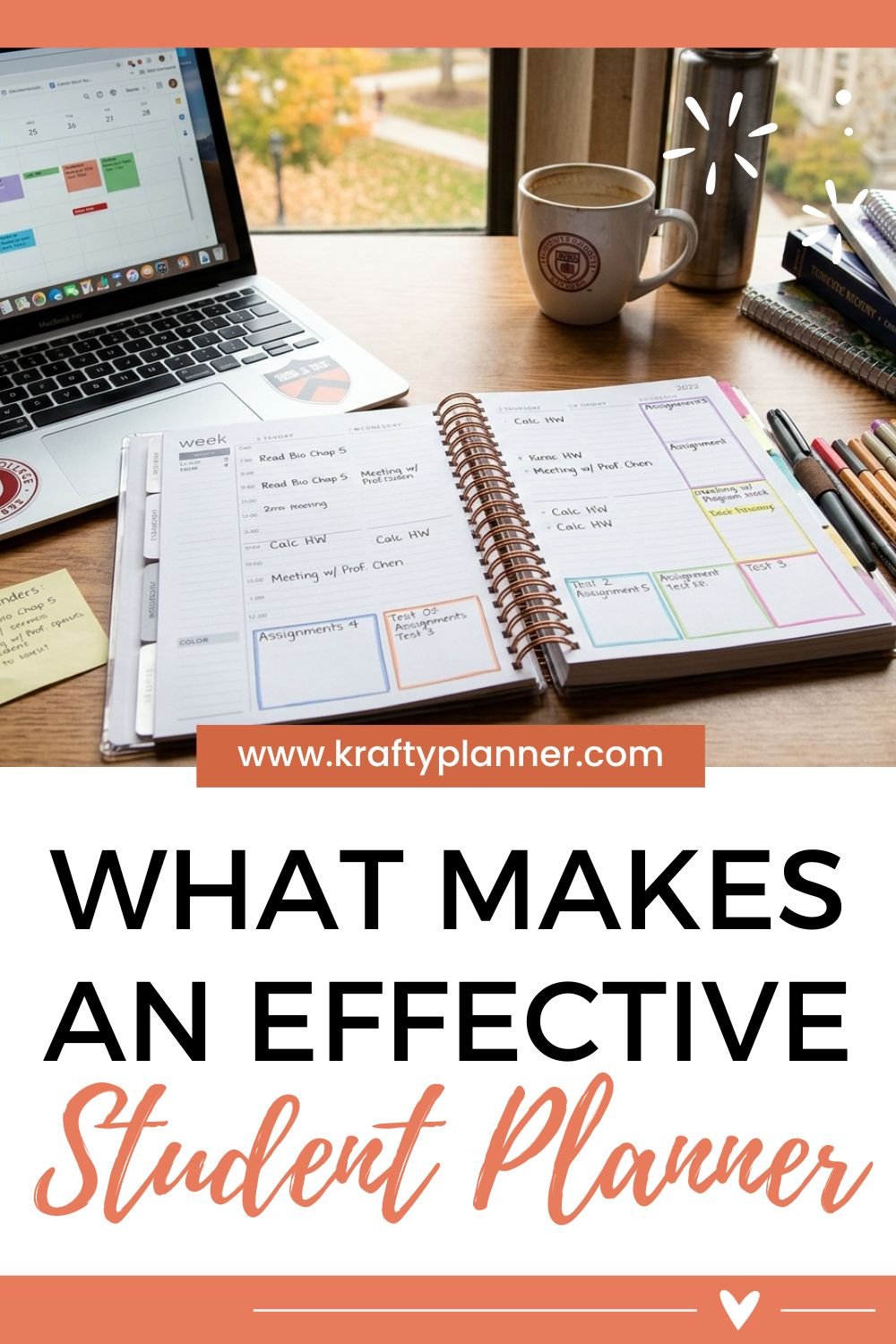
While monthly calendars help with long-term planning, weekly pages are where daily organization happens.
A strong weekly planner should provide enough space to record:
Reading assignments
Homework
Lab work
Study sessions
Meetings with professors
Club activities
Work shifts
Personal appointments
Seeing your entire week at once makes it easier to distribute tasks evenly and avoid overloaded days.
Many successful college students review their weekly schedule every Sunday evening to prepare for the days ahead.
Daily Task Lists Keep Priorities Clear
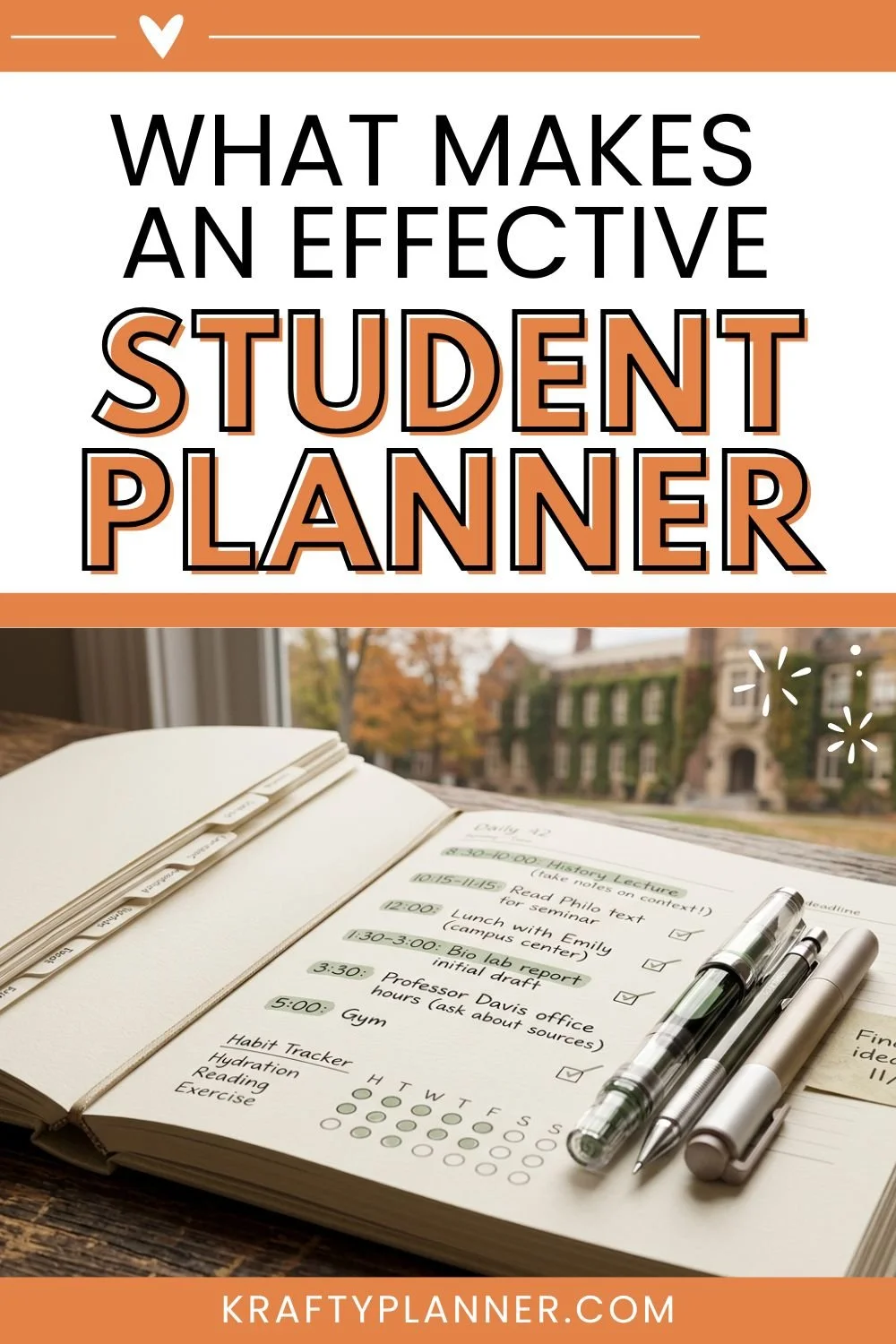
A planner becomes even more useful when it includes daily task sections.
Instead of writing vague reminders, create actionable items such as:
Finish biology lab report
Read Chapters 5–7
Complete calculus practice problems
Attend career fair
Submit scholarship application
Breaking large assignments into smaller steps makes intimidating projects feel much more manageable.
Crossing completed tasks off the list also provides a satisfying sense of accomplishment that helps maintain motivation.
Time Blocking Improves Focus
Many productive college learners use a technique called time blocking.
Rather than creating a simple to-do list, assign each task a specific time period.
For example:
Monday
9:00–10:30 AM: Chemistry lecture
11:00–12:00 PM: Review lecture notes
2:00–4:00 PM: Library study session
6:00–7:00 PM: Gym
8:00–9:00 PM: Finish psychology reading
Scheduling work sessions reduces procrastination because every task already has a designated place in your day.
Assignment and Exam Tracking
One missed deadline can significantly affect your final grade.
A high-quality planner should include a dedicated section for tracking:
Assignment due dates
Quiz schedules
Midterms
Finals
Group project milestones
Presentation dates
Some learners even use color-coding for different courses, making important deadlines instantly recognizable.
Note-Taking Space Adds Flexibility
Unexpected information appears throughout every semester.
Professors announce schedule changes, classmates organize study groups, and internship opportunities appear with little notice.
Extra note pages allow you to quickly record:
Assignment instructions
Office hour reminders
Research ideas
Contact information
Questions for professors
Career opportunities
Having everything in one planner prevents important information from getting lost.
Habit Tracking Encourages Consistency
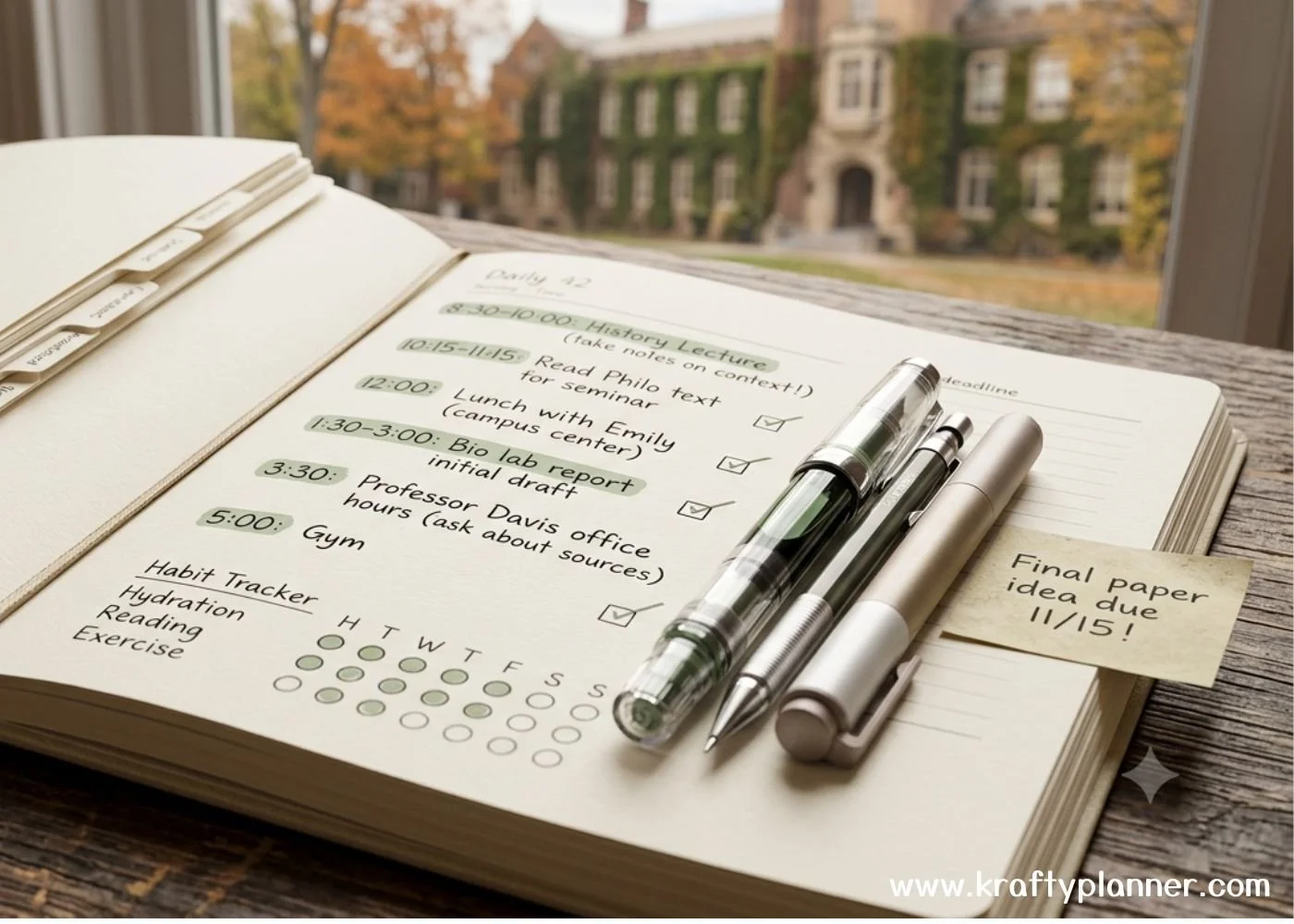
Good academic performance is built through daily habits rather than occasional bursts of motivation.
Many effective planners include habit trackers that allow you to monitor routines such as:
Daily reading
Exercise
Sleep schedule
Water intake
Reviewing lecture notes
Practicing a foreign language
Watching your progress over several weeks helps reinforce positive behaviors.
Flexibility Is Essential
No semester unfolds exactly as planned.
Professors may adjust deadlines, group meetings get rescheduled, and unexpected events arise.
A useful planner should be flexible enough to accommodate changes without becoming messy or confusing.
Avoid systems that require excessive rewriting. Simplicity often leads to better consistency.
Digital or Paper Planner?
There is no universal answer.
Paper planners
Advantages include:
Fewer digital distractions
Better memory retention for many people
Easy brainstorming
Satisfaction from writing by hand
Digital planners
Benefits include:
Automatic reminders
Cloud synchronization
Easy editing
Access across multiple devices
Calendar integration
Many college learners combine both methods by using a digital calendar for appointments while maintaining a paper planner for assignments and study planning.
Tips for Using Your Planner Effectively
Even the best planner won't help if it sits unused in your backpack.
To build a consistent planning habit:
Update it every day.
Review upcoming deadlines each morning.
Check your weekly schedule every Sunday.
Break large projects into smaller milestones.
Mark completed tasks to stay motivated.
Carry your planner to every class.
Record new assignments immediately.
Consistency matters far more than choosing the most expensive planner.
Common Planning Mistakes to Avoid
Many college students abandon planners because they develop ineffective habits.
Recording only deadlines instead of daily tasks
Forgetting to update completed assignments
Overloading every day with unrealistic goals
Ignoring long-term projects until the last minute
Using too many separate planning systems
Keeping everything centralized makes organization much easier.
Final Thoughts
An effective student planner is not about creating the perfect schedule - it's about building a reliable system that supports academic success throughout the semester.
The best planners combine monthly calendars, weekly layouts, daily task lists, goal tracking, habit monitoring, and flexible note-taking space. Most importantly, they encourage consistency rather than perfection.
Whether you choose a classic paper planner or a modern digital solution, using it regularly can help you manage coursework, reduce stress, improve productivity, and maintain a healthier balance between academics and personal life.
By investing just a few minutes each day in planning, you'll be better prepared to meet deadlines, stay organized, and make the most of your college experience.
Before you go:
You might also be interested in…
(This post may contain affiliate links. For more information, see my disclosures here.)
~ SHARE THIS POST ~
Did you like this post? Do you know someone else who might enjoy it? Please take a minute to share it on Pinterest, Facebook, or your favorite social media… Thank you!







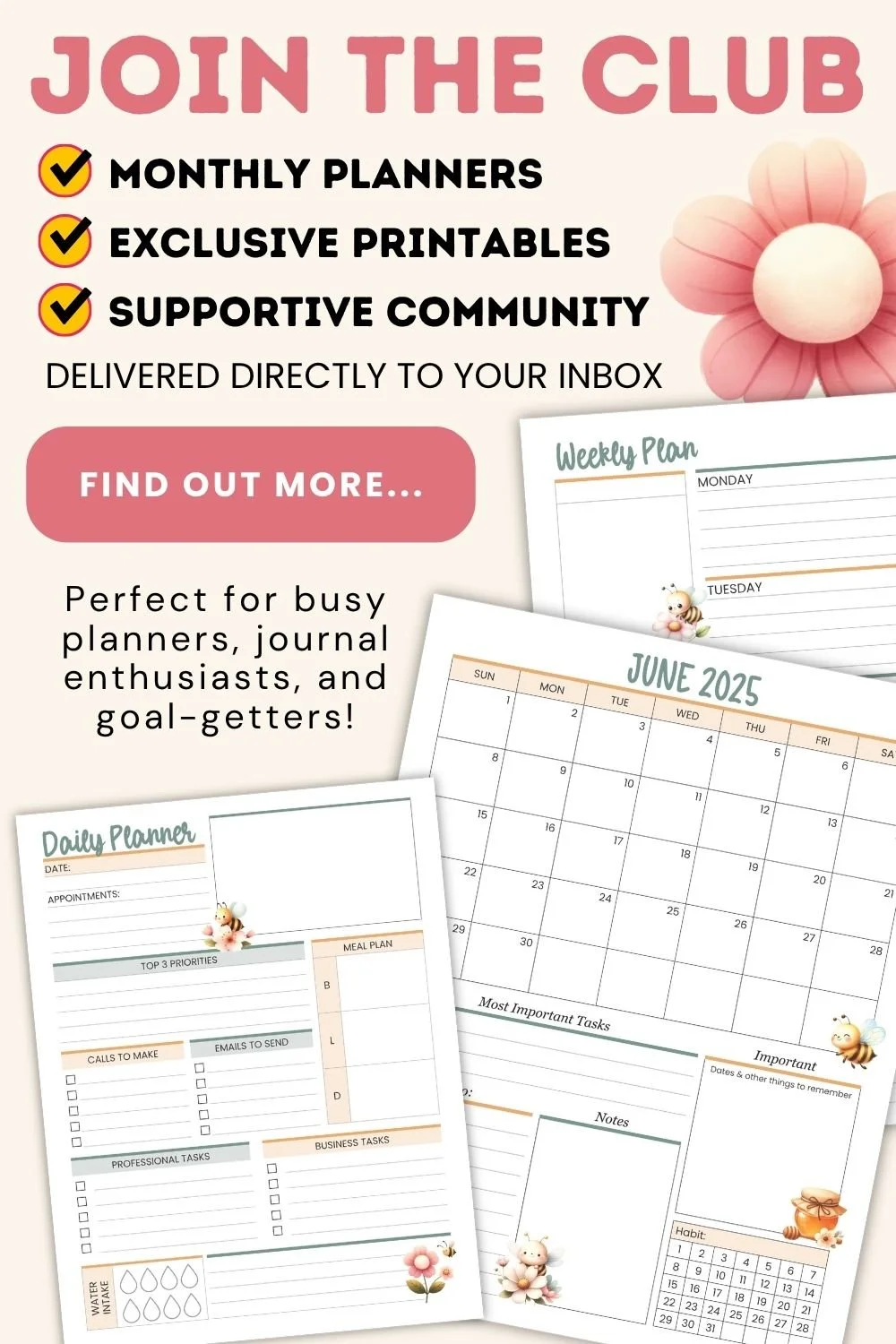



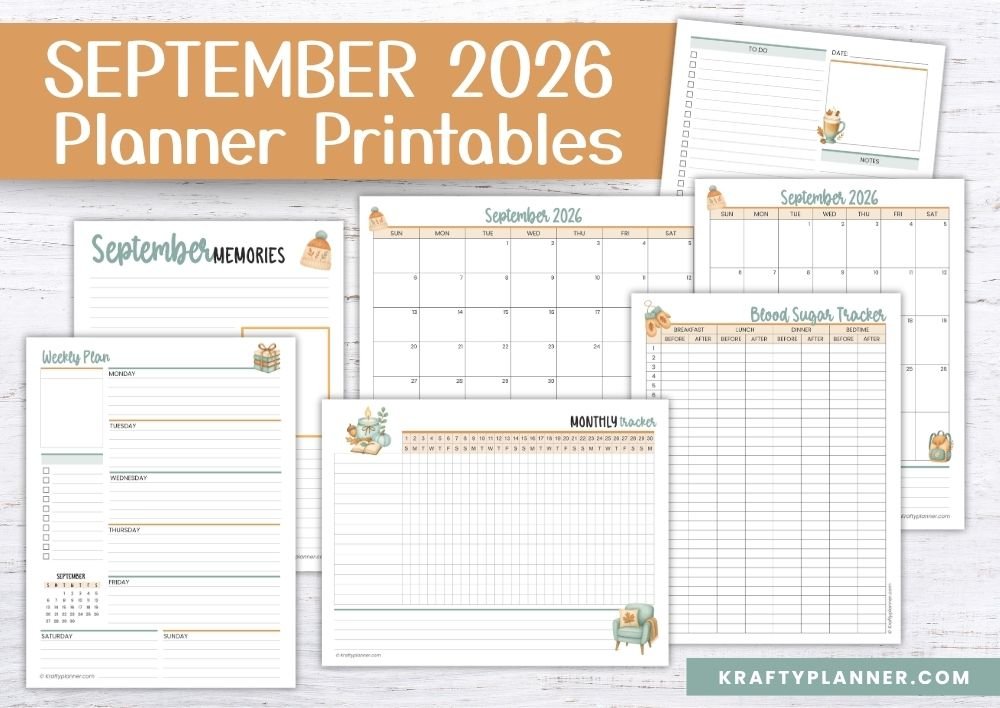




Download free September 2026 planner printables, including calendars, weekly and daily pages, a habit tracker, and more to stay organized all month long.