
Wellness Budgeting Tips for Long-Term Lifestyle Changes

Starting a healthy journey requires more than clear intentions and daily routines. It requires a practical financial strategy that supports your health choices without draining your wallet.
Aligning your personal goals with your monthly ledger creates a sustainable framework for real success. When you organize your resources, staying healthy becomes a natural part of your routine.
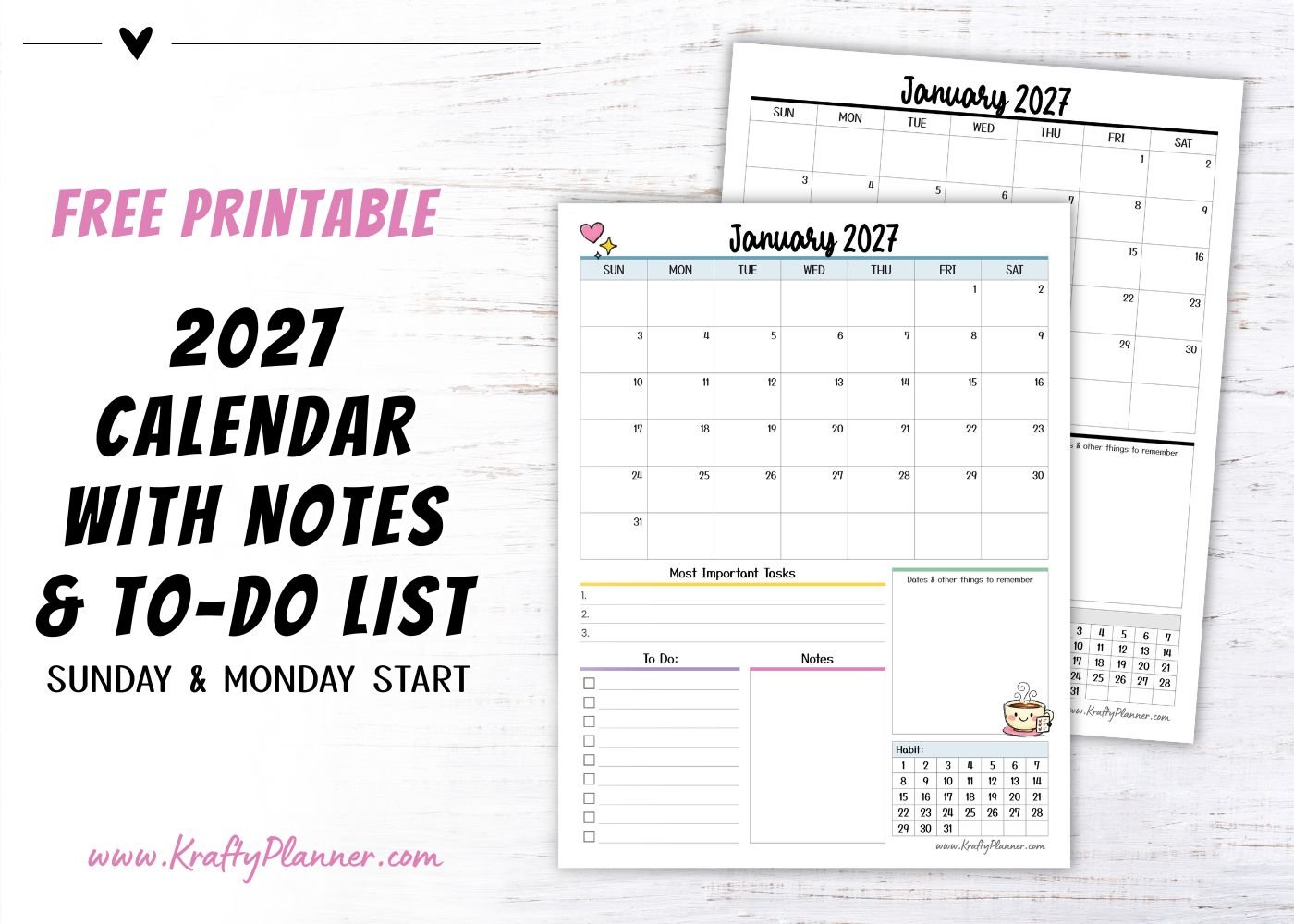
Track Expenses with a Planner Layout
Many people abandon health routines when unexpected costs arise. Using a paper binder or a digital ledger allows you to map every $1 spent on supplements, gym fees, and organic food. An expert guide online explains that monitoring cash inflows and outflows forms the base of every working budget. When you see these numbers on paper, you can make smarter adjustments each week.
Creating a dedicated section in your binder for health receipts prevents messy record-keeping. You can track your trends by category to understand exactly where your funds go. This visibility makes it easier to spot areas where you can trim expenses without harming your health.
Estimate Health and Care Expenses
Medical expenses fluctuate depending on individual needs. You can check your estimated medication cost to see how prescriptions fit your monthly numbers. Knowing these figures helps you organize your wellness dashboard without surprises.
Predicting these healthcare numbers allows you to allocate money ahead of time. It provides a clearer picture of your yearly financial commitments. This foresight helps you avoid dipping into emergency savings for standard wellness needs.
Setting aside a fixed amount each month builds a buffer for medical costs. This practice protects your main checking account from sudden drops when picking up prescriptions. Having a health fund offers immense peace of mind as you adjust your routines.
Set Sustainable Micro-Habits
Drastic lifestyle overhauls often fail if they demand too much money too fast. Focusing on tiny adjustments prevents financial burnout and keeps you on a steady path.
One recent financial post suggests that true fiscal peace comes from developing small, manageable habits that give you greater control over your future. Investing in small items - like a reusable water bottle or a pair of walking shoes - creates lasting progress.
Small habits accumulate over the months to create substantial results. Buying frozen vegetables instead of expensive fresh produce is a simple swap that saves cash. These small choices reduce friction and make your financial layout much easier to maintain.
Select the Right Tracking Tools
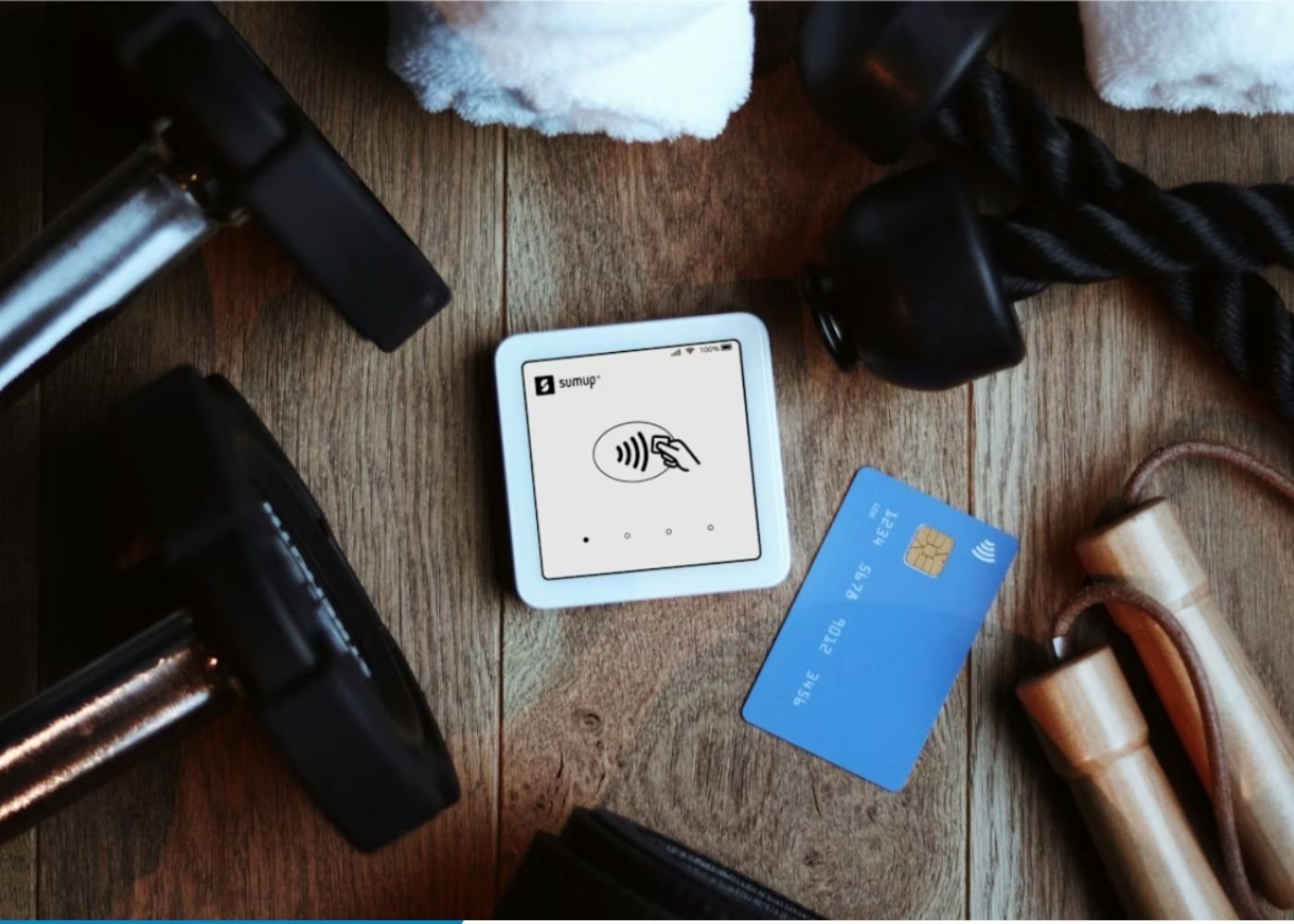
Finding a suitable method to track your expenses keeps your lifestyle goals within reach. A banking blog notes that managing money can be stress-free when you find a proper setup to monitor spending and set realistic limits. Whether you prefer a physical log or a digital tracker, consistency remains the most critical factor. Staying organized allows you to maintain your wellness routine without stress.
Digital Trackers vs. Paper Planners
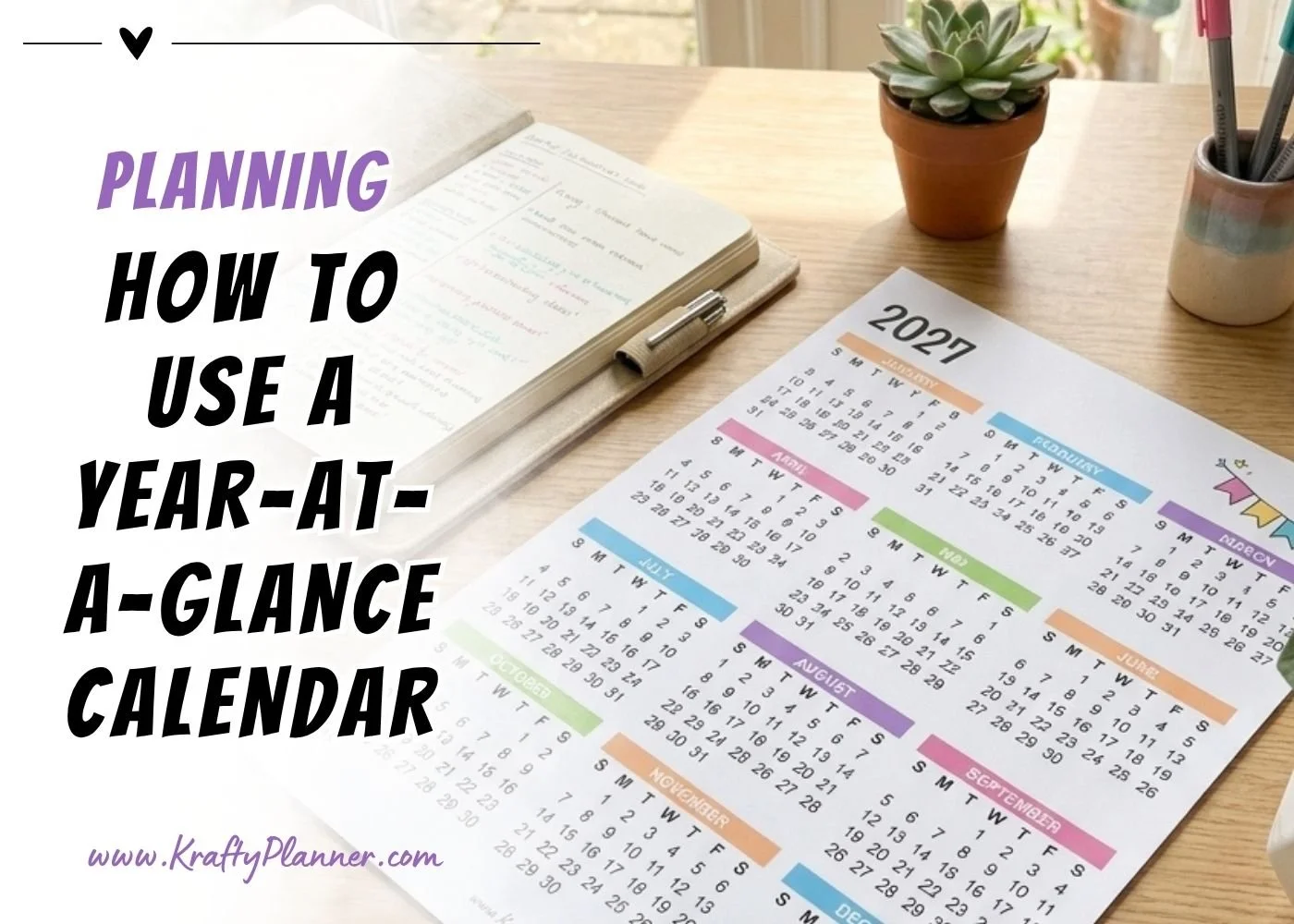
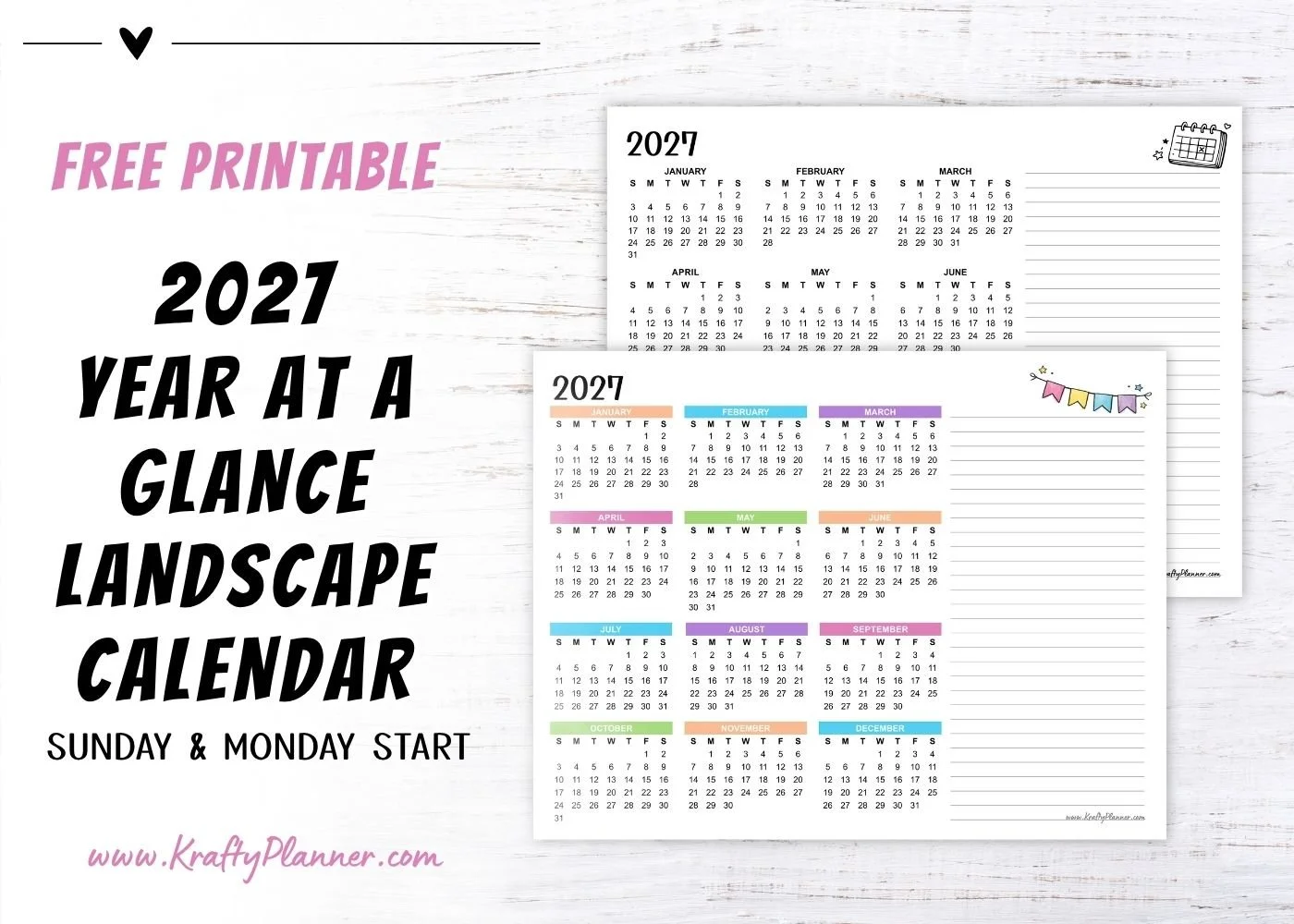
Customized printables provide a tactile experience that keeps you highly engaged with your goals. Writing down your daily purchases by hand reinforces your commitment to your wallet. If you prefer digital applications, mobile spreadsheets offer quick access during trips. Both methods work perfectly if you stick to them every single day.
Organize Kitchen Budgets and Meal Sheets
Food spending represents a large portion of any health budget, meaning that structured planning pays off quickly. Preparing a weekly menu helps you buy exactly what you need at the grocery store. This practice minimizes waste and keeps your health goals aligned with your wallet.
Consider these simple methods for kitchen organization:
Track pantry inventory on a weekly checklist.
Write down ingredient costs before visiting the market.
Batch cook large meals to save on utility bills.
Separate grocery funds from your dining out cash.
Using dedicated meal planning sheets streamlines your shopping trips significantly. Knowing your inventory prevents you from purchasing duplicate items that might spoil. This organized approach protects your hard-earned dollars and supports your nutritious diet.
Establish Long-Term Wellness Milestones
Healthy living is a marathon rather than a quick sprint. Dividing your year into distinct quarters helps you evaluate your financial choices and wellness milestones together.
You can review your spending every 90 days to see where your investments are delivering the best returns. Adjusting your financial spreadsheets guarantees that your healthy habits remain affordable for years.
Reviewing your budget quarterly lets you celebrate small wins. If you stayed under budget, you can redirect those funds toward future health goals. This continuous cycle keeps your motivation high and your finances in perfect order.
Maintaining a healthy lifestyle does not require sacrificing your financial peace of mind. Merging your daily physical choices with a clear spending plan creates a strong foundation for long-term health.
Small adjustments to your tracker can keep your wallet happy as you build a better future. Stay focused on your regular patterns, use your planning sheets wisely, and enjoy the journey toward balanced living.
Before you go:
You might also be interested in…
FOR PERSONAL USE ONLY – Please Read Freebies Terms of Use
(This post may contain affiliate links. For more information, see my disclosures here.)
~ SHARE THIS POST ~
Did you like this post? Do you know someone else who might enjoy it? Please take a minute to share it on Pinterest, Facebook, or your favorite social media… Thank you!











Create a custom cabinet look in a small living room with modular storage that adds a built-in feel without renovation, DIY work, or hiring a contractor.